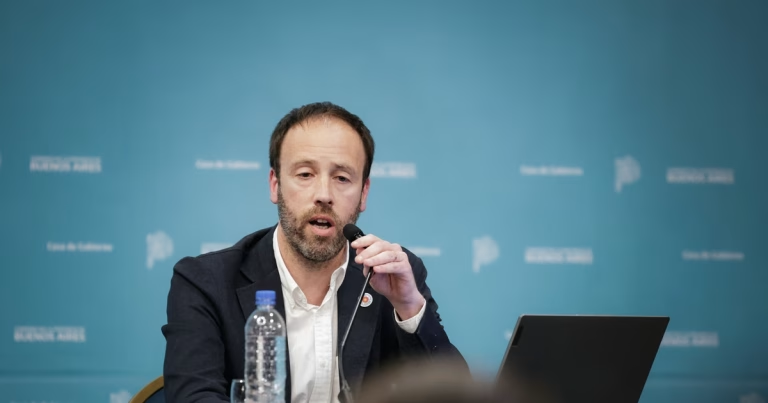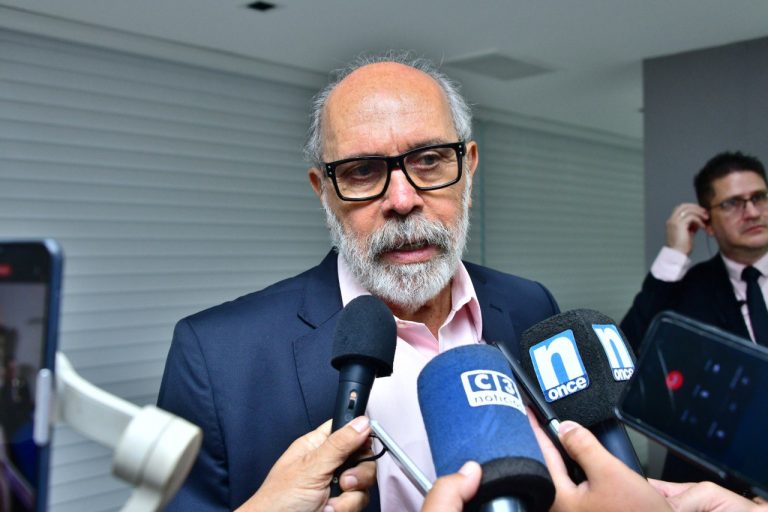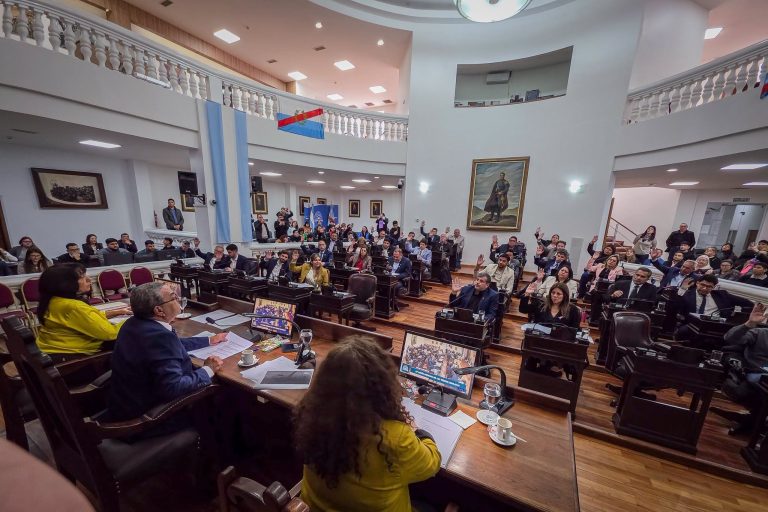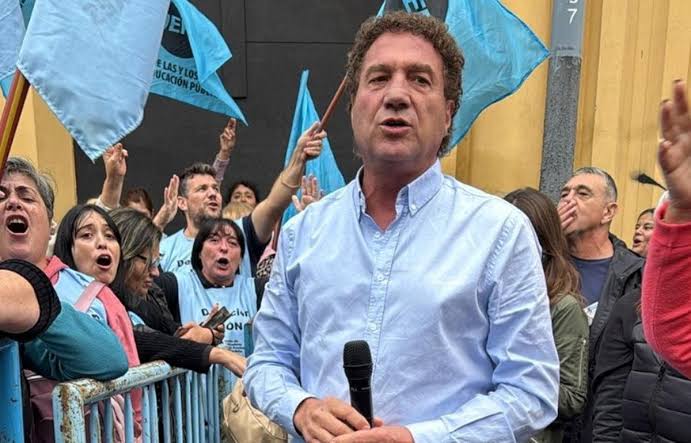
The Córdoba Teachers' Union has reopened the wage debate at the provincial government headquarters. After consulting delegates across the province, UEPC requested renewed bargaining to recover purchasing power. The government received the claim and acknowledged real income loss but made no offer and asked for caution because revenue is falling.
The province argues that an April agreement remains in force and, in its view, delivered increases above inflation at the time. It also points to two extra bonuses not included in the original deal. UEPC says later price and wage developments made the arrangement insufficient and that changing conditions justify a review.
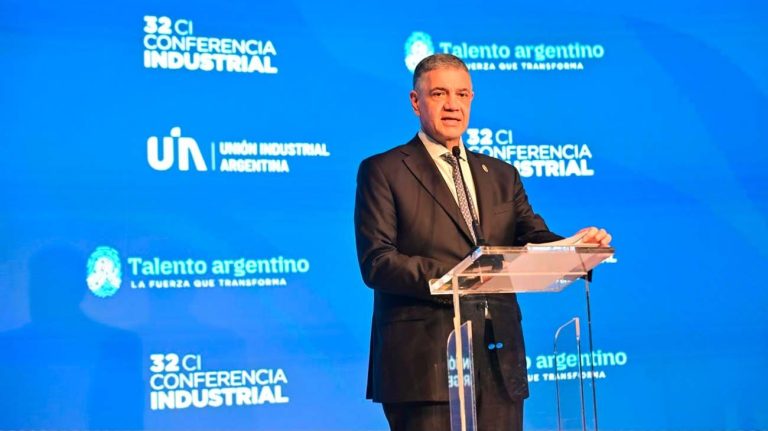
The official response combines legal and fiscal arguments. The agreement should be respected, authorities say, but the downturn is reducing provincial revenue and any permanent rise multiplies across the payroll. The executive also cites private-sector employment problems, including Pauny, as evidence of the broader contraction.
UEPC confirmed a province-wide day of union action without a strike or class suspension. The plan includes assemblies and visibility activities while schools continue operating. This preserves pressure without immediately transferring costs to students and families, but it also signals the possibility of escalation.
The conflict is no longer only about teachers. The Public Employees' Union declared an alert and demanded urgent bargaining. It added complaints over APROSS contributions, deferred pension payments, Article 58, vacancies in critical health areas and delays in unifying health teams.
The expansion creates a political problem for Martín Llaryora. A concession to teachers could trigger equivalent claims elsewhere, while refusing review could unite currently separate unions. The government needs to distinguish general wage recovery, targeted corrections and one-off payments and explain the cost of each option.
The starting point must also be transparent. Assessing the April agreement requires salary benchmarks, seniority scales, bonuses and price data. Percentages alone are insufficient if some payments do not enter the basic wage or affect pensions and future negotiations differently.
The next step is whether the government opens a formal table with a proposal and timetable. UEPC is keeping schools open and SEP has not called a strike, leaving room for negotiation. Without an offer, however, the dispute could become a coordinated public-sector conflict.