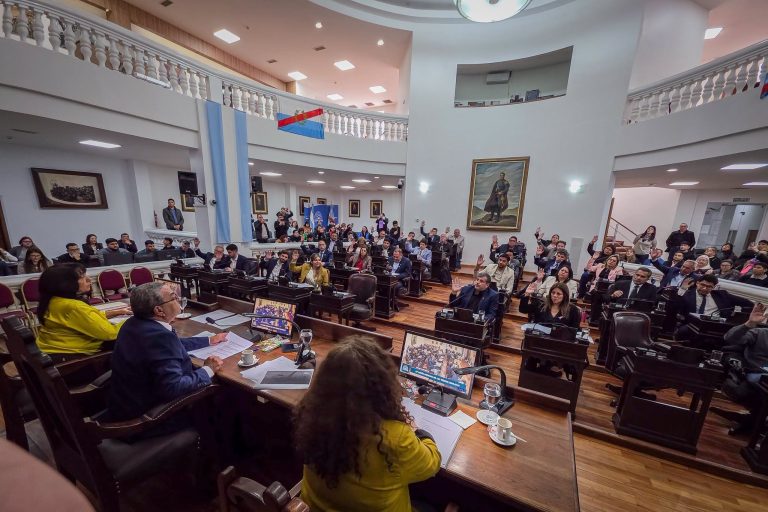
A bill introduced in the Buenos Aires City legislature proposes tax credits for businesses affected by traffic and access restrictions during Pope Leo XIV's visit. The measure responds to an exceptional situation: assembly, security operations and dismantling will keep parts of Palermo and Recoleta under controls for several days, with different effects depending on location and activity.
The benefit would recognize 100% of revenue loss attributable to the operation. Credits could be used for two years against gross-receipts tax, property tax and ABL. The design avoids direct cash refunds and converts damage into a tax balance, although its usefulness depends on the business having enough liabilities to offset.
The first challenge is establishing a baseline. Authorities should compare equivalent periods, adjust for inflation and separate the impact of restrictions from the broader consumption trend. A business already losing sales cannot assign the entire decline to the operation, but it should not be excluded if it proves an additional loss.
The covered zones and dates also need precision. Progressive closures on Avenida del Libertador began November 4 and some remain until November 16, while the main visit runs November 8–11. Residents, employees and merchants need special accreditation, and vehicle, bus and delivery access varies by perimeter.
The bill must distinguish losses from opportunities. Hotels and restaurants may gain from visitors, while shops dependent on daily traffic, parking or deliveries may suffer. A uniform payment based only on location would be unfair; verified revenue loss should be the main criterion.
AGIP would likely administer the regime through sworn statements, sales records and audits. A digital procedure, short deadlines and an appeal mechanism would reduce delays. Lawmakers should also define caps, treatment for small taxpayers and tenants, and what happens when credits exceed two years of taxes.
The relief also raises budget-equity questions. The city made the Illia highway and Paseo del Bajo temporarily free to mitigate traffic diversions, mainly benefiting drivers. Business credits address a different cost. Authorities should publish the estimated tax expenditure and prevent large chains from capturing most of the program.
The proposal still requires legislative debate and is not automatic compensation. Approval should include a beneficiary register, calculation methodology and later evaluation of sales, jobs and business continuity. The papal visit has institutional and tourism value, but exceptional security costs should not fall unmeasured on small establishments.