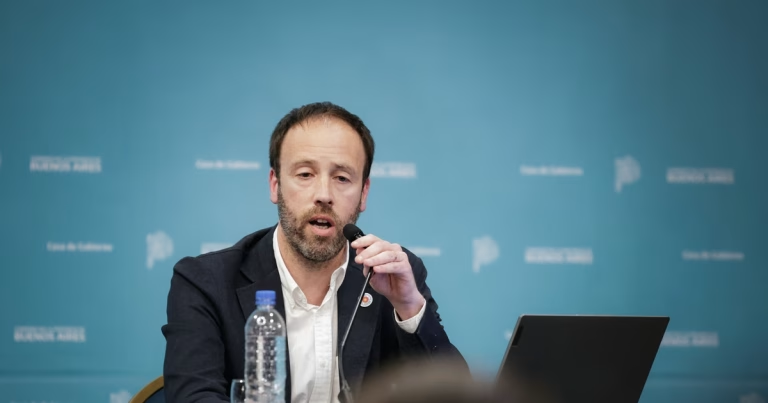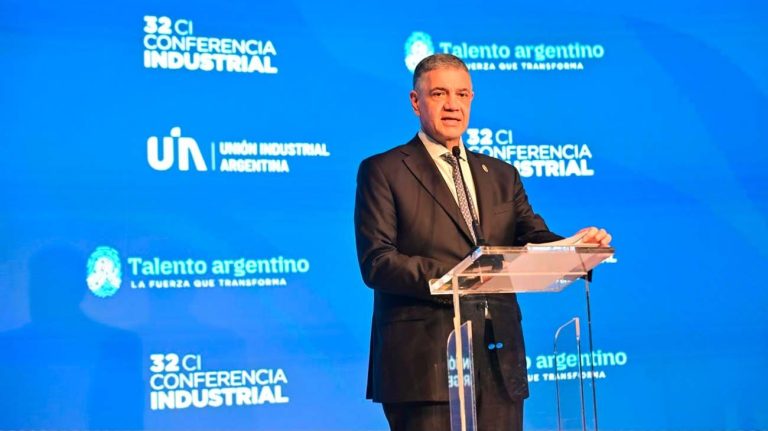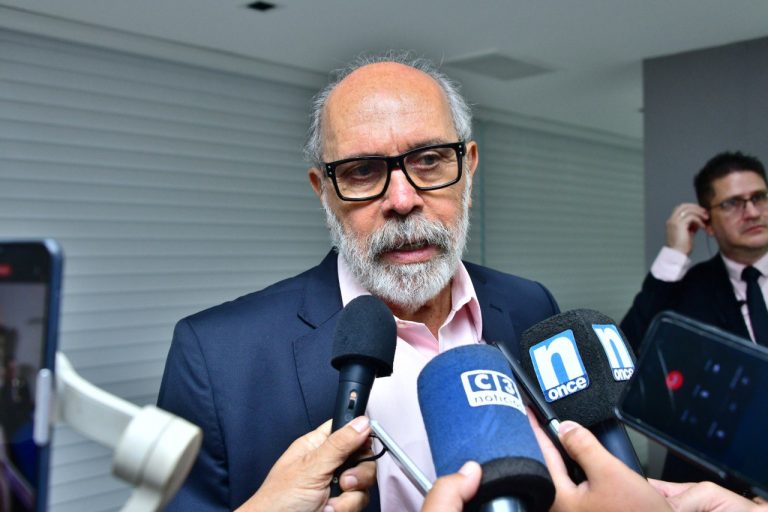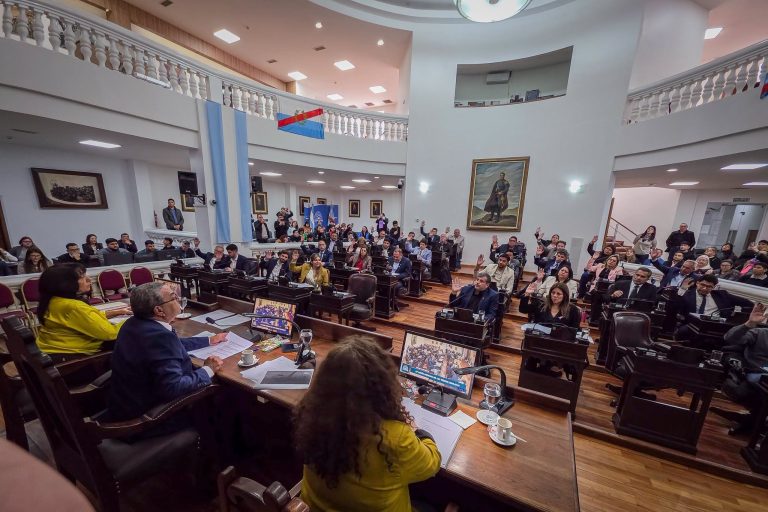
Catamarca and the Federal Investment Council signed a set of agreements intended to place mining expansion, technological innovation, workforce training and environmental sustainability under one strategy. Raúl Jalil and Ignacio Lamothe signed a technical and financial assistance framework under the CFI 2030 Agenda. The challenge is turning that framework into measurable projects with budgets, responsibilities and public results.
The first pillar provides for environmental-impact studies and independent research on resource management and preservation. Methodological independence is crucial in a province where lithium and metal mining bring investment, jobs and foreign exchange but also disputes over water, biodiversity and communities. Reports should use reliable baselines, cumulative assessment and public access.
The second component strengthens CEDECITCA's scientific and technological capacity for mining, industry and agroindustry. Cooperation can expand laboratories, equipment, researcher training and services for firms. Value should be measured through testing, transferred solutions, patents and local suppliers entering more complex production chains.
Youth training is the third pillar. Programs aim to match Catamarca's labor supply with regional productive demand. To avoid courses disconnected from real jobs, authorities should map required profiles, include internships, certify skills and track placement. Safety, environment, maintenance, logistics, programming and quality management should be included.
The fourth pillar examines provincial tax policy and its impact on development. It may identify distortions, ineffective incentives and burdens affecting small firms or new projects. Investment attraction must still preserve revenue for infrastructure, education and environmental oversight. Benefits should be compared with induced investment, jobs and foregone revenue.
The agreements are presented as tools to attract capital, generate foreign exchange and expand employment. That promise depends on coordination among mines, suppliers, municipalities, educational institutions and environmental agencies. Separate programs would become a collection of consultancies; integrated action can create lasting provincial capacity.
The province and CFI also signed an addendum extending cultural-industry programs through the final two months of 2026. Cultural production has smaller financial scale but can diversify the economy and distribute jobs across the territory. Priorities, commercial assistance, intellectual property and access outside the capital must be defined.
The next step is publication of full agreements, amounts, schedules and selection criteria. Common indicators should cover completed environmental studies, trained and employed young people, technological services, assisted firms and sustained cultural projects. Cooperation matters if it improves the province's ability to govern investment, not merely the number of agreements.