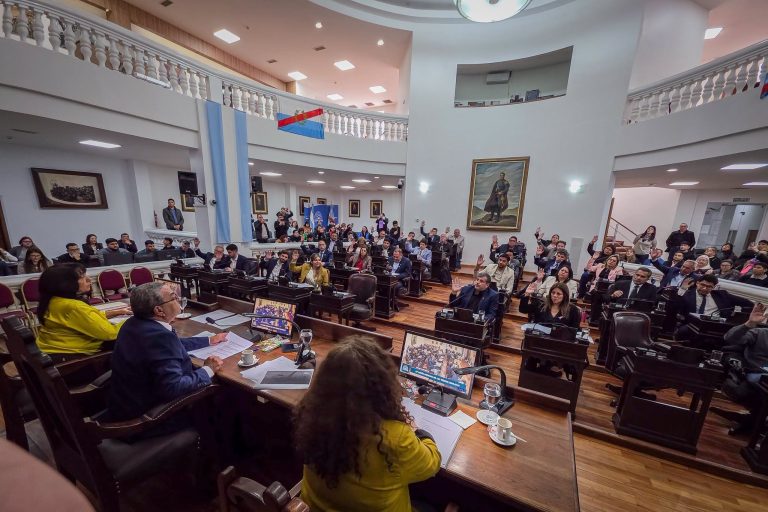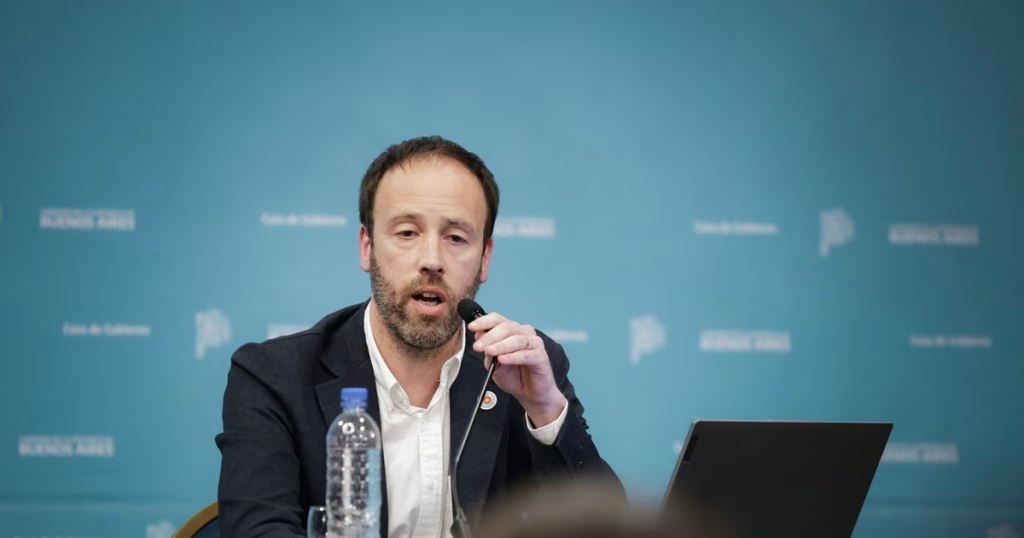
Buenos Aires Province opened debate on the 2027 Budget, the last one Axel Kicillof will execute in his current term, with Pablo López presenting it to the legislature. The bill is more than a revenue and spending estimate: it will organize an election year, set investment priorities and force negotiations with opposition blocs, mayors and Peronist factions amid tighter federal funding.
A central issue is expected authorization for roughly US$850 million in borrowing. The executive says the funds would cover international maturities and sustain infrastructure. Lawmakers must separate refinancing from new works and identify the financial cost, because the authorization requires a qualified majority and commits future revenue.
The Fiscal Law will set increases for urban and rural property taxes, vehicle taxes and gross-receipts taxation. The challenge is to update revenue without imposing a disproportionate burden on households, producers and small firms already facing weak consumption and high costs. Progressive scales, valuations and exemptions will matter as much as headline rates.
The budget must allocate resources to public works, health, education and security while nonautomatic federal transfers decline. The province argues that it has taken over programs and projects previously funded by the national government. That can preserve services but puts more pressure on the provincial treasury and requires clear investment priorities.
The election year adds specific spending for logistics, security, printing and the possible operation of provincial PASO primaries. Because the rules are still disputed, lawmakers may approve appropriations for a system that later changes. Contingency funds and reallocation rules should therefore be explicit.
Municipalities will be decisive. Mayors want shared revenue, works funding and predictability for wages and services, while public-sector unions demand salary recovery. A negotiation focused only on provincial debt may fail if it ignores the needs of 135 districts and the evolution of public employment.
Kicillof must also manage divisions inside Unión por la Patria. Municipal reelection, Supreme Court vacancies and the electoral calendar intersect with the budget. Linking the issues may enable a broad agreement, but it can also mix urgent financial needs with long-term institutional decisions.
The next step is publication of full schedules, macroeconomic assumptions and debt details. A credible budget needs physical targets, municipal distribution criteria, works calendars and alternative scenarios. The negotiation will define both the end of Kicillof's term and the resources and obligations Buenos Aires carries into 2027.