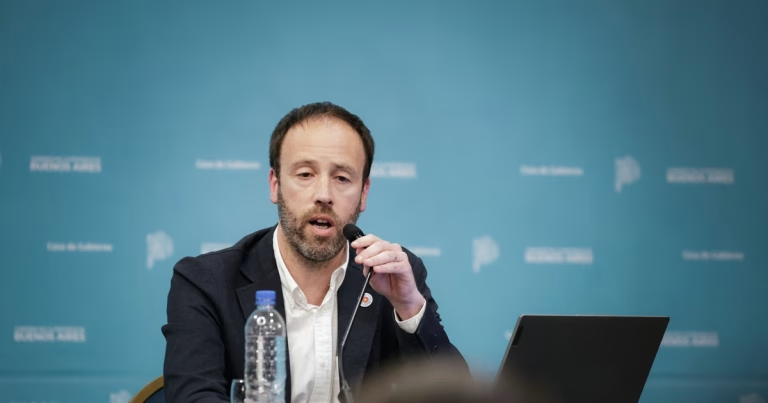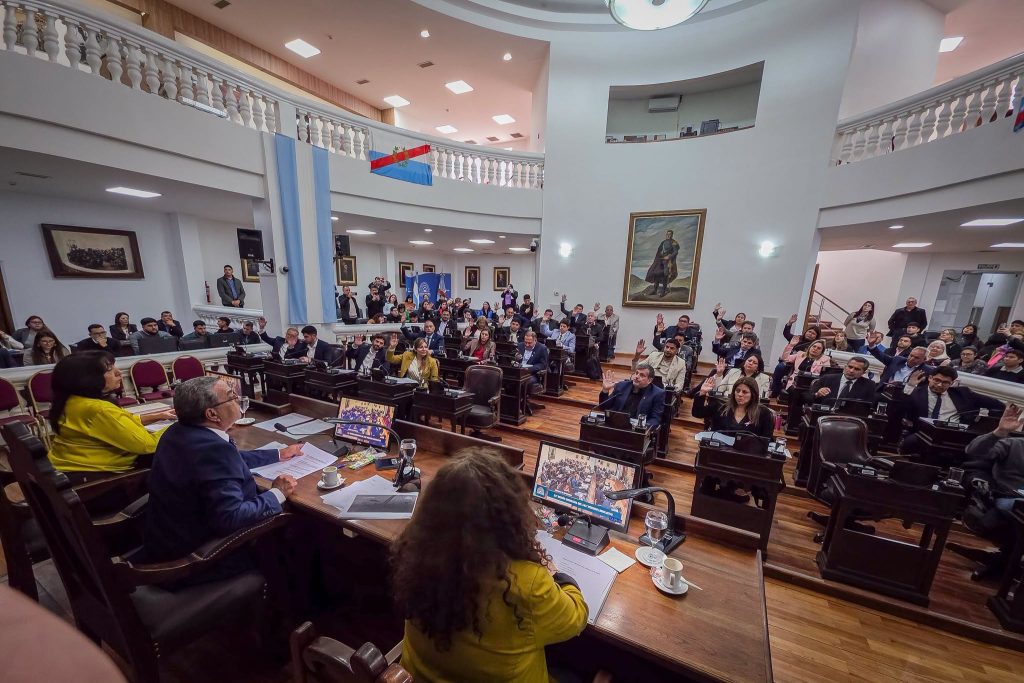
Ricardo Quintela's government submitted the 2027 Budget to the lower house within the deadline set by Article 94 of La Rioja's constitution. The filing opens a central debate for a province highly dependent on federal resources and with a public sector concentrated in health, education, security and public employment. Lieutenant Governor Teresita Madera described the bill as a protective tool in a difficult context.
The executive announced education, health and security as the three priorities. That sets the direction but must still be translated into amounts, targets and results. Higher percentages alone are not enough; lawmakers need salary, infrastructure, supply, program and beneficiary details.
The province also wants to continue strategic works despite lower nonshared federal funding. Replacing federal money with provincial resources can prevent stoppages but reduces room for other policies. The legislature needs a list of projects, remaining costs and postponements.
The immediate baseline is the 2026 Budget, with 1.832 trillion pesos in spending, 1.837 trillion in revenue and a projected surplus of 5.252 billion. That narrow margin showed tight planning. The 2027 debate should compare actual execution, not only the original authorization.
Official claims of predictability must be tested against macroeconomic risks. La Rioja depends on revenue sharing, transfers and national decisions affecting wages, tariffs and activity. If inflation or revenue forecasts fail, appropriations may need to be redirected, so transfer powers must be clearly limited.
Social priorities affect public employment and unions. Health, education and security require workers, equipment and maintenance. If wages lose purchasing power, a nominally balanced budget may fail in real terms. Review clauses, contingency funds and regular reports would reduce that risk.
Legislative debate should also examine spending quality. A protective policy is measured by waiting times, educational outcomes, crime prevention and territorial access, not only state size. Appropriations should be tied to physical indicators.
The next step is publication of the full text and formal session debate. Lawmakers should compare revenue, spending, financing and reallocation powers and demand a works map and social targets. Credibility depends on combining balance, protection and transparency.