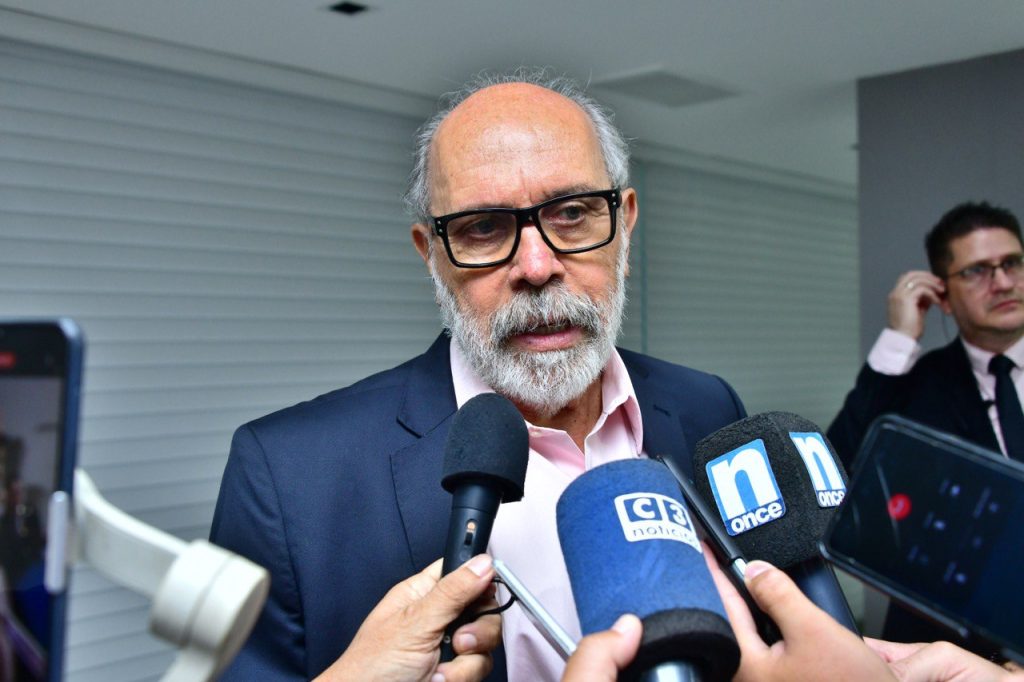
Formosa Economy Minister Jorge Ibáñez described a situation in which provincial fiscal discipline coexists with declining national and shared-tax revenue. From January through October, provinces lost nearly one real percentage point, and the Federal Tax Commission expects November to be worse than October, leaving little room at year-end.
Ibáñez uses VAT as a consumption indicator. Its monthly decline suggests that weakness reaches everyday purchases and commerce, not only one industry. Lower VAT means less revenue sharing for provinces, fewer transfers to municipalities and weaker demand for firms, affecting both employment and public income.
The minister attributes the deterioration to national economic policy and says the main beneficiaries are large corporations and oil, gas and mining companies, while industry, small firms, commerce and construction struggle. The political claim raises a measurable question: how much export-sector growth spreads into jobs and revenue elsewhere.
Formosa expects to finish 2026 without a deficit. Ibáñez says the province does not spend more than it receives and carries neither bonds nor foreign-currency debt. That reduces exposure to devaluation and refinancing but does not mean abundance; balance may also reflect postponed works or spending restraint.
The absence of external debt provides stability but limits infrastructure funding when revenue falls. Formosa needs roads, energy, water, housing, health and education. The choice is not simply debt or no debt, but which projects can be funded internally and which justify credit under sustainable conditions.
Dependence on federal taxes makes fiscal federalism central. Provinces with smaller own-source tax bases feel VAT and income-tax declines more strongly. If nonautomatic transfers also fall, adjustment moves to subnational governments. Predictable rules and compensation mechanisms are needed.
Calls to boost consumption, industry, commerce and quality jobs require concrete instruments. Productive credit, public procurement, infrastructure, training and wage policy can help, but each has a fiscal cost. Formosa must show how it will preserve balance while financing the recovery it demands.
The next step is November revenue and the actual year-end accounts. Budget execution, floating debt, supplier payments, real investment and wages should be published. Finishing without a deficit is relevant; the harder test is doing so without weakening infrastructure, essential public employment and social response.