Río Negro began planning interventions on national routes 22 and 151 after signing an agreement with the Nation that opens the transfer process. The agreement will allow the Province to manage, administer, and maintain sections for 20 years, but it does not imply an immediate takeover of the entire network. The incorporation will be gradual, as each sector is freed from contracts, debts, and previous obligations, and the corresponding legal and operational instruments are completed.
The overall plan covers approximately 518 kilometers, while the first phase aims to recover about 305 kilometers. The projected works include roadways, shoulders, signage, road safety, and maintenance. Financing is expected to come from a loan of up to USD 60 million from Fonplata. That amount is a projection and not an executed budget: procedures, financing conditions, project prioritization, and schedules still need to be completed before converting it into disbursements and contracts.
The Province identified three initial interventions: completing the roundabout of routes 22 and 250 in Choele Choel, acting in the Puente 83 sector of Cipolletti, and refurbishing Route 151 between Barda del Medio and Catriel. They are sensitive corridors for everyday mobility, production, and connection with Neuquén and Vaca Muerta. The selection marks priorities, but does not yet provide complete dates for bidding, start and completion, or the individual cost of each project.
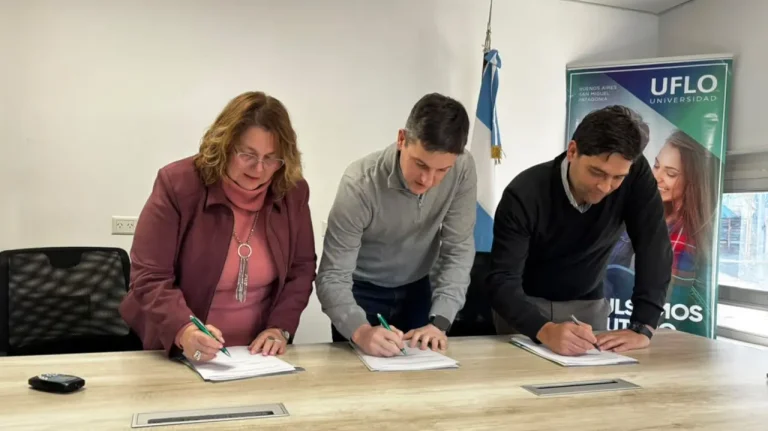
The agreement requires legislative approval from Río Negro to finalize the transfer. The takeover of the released sections is expected within 60 business days of completing the instruments, while the Nation has a similar period to regularize pending situations. National Roads must deliver projects, studies, surveys, plans, and records. Río Negro will not automatically assume unpaid certificates, contracts, claims, or contingencies prior to the transfer.
The initial absence of deadlines and a definitive budget requires separating planning from execution. The provincial government must define what road standard it needs, which intervention is a priority, and how it will support maintenance after the works. A loan can finance the recovery, but future conservation requires recurring resources. The mechanisms for contracting, technical control, road safety, and coordination with municipalities, transporters, and productive sectors affected by the works must also be known.
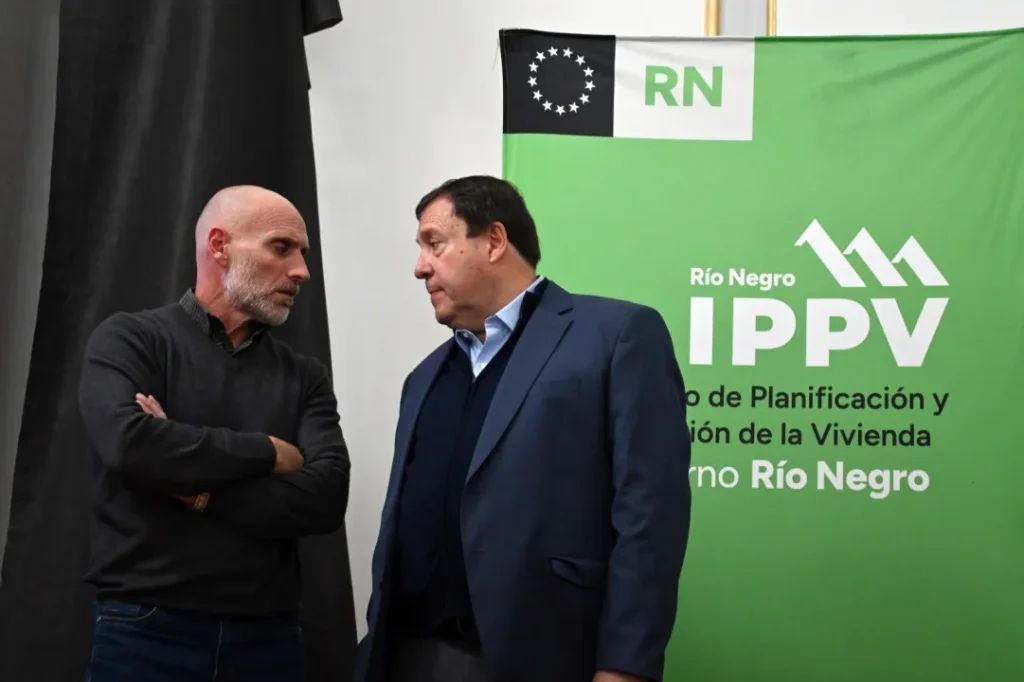
Governor Alberto Weretilneck presented the agreement as a decision of autonomy in the face of accumulated deterioration and the lack of national responses. The provincial assumption can shorten the distance between local demand and management, although it also transfers significant financial and operational responsibilities. The evaluation should not be limited to who manages the route: what matters is whether it improves the condition of the road, reduces accidents, completes unfinished works, and guarantees connectivity during the productive transformation of northern Patagonia.
The process has started, but the transfer has not yet been completed nor has all the announced work begun. The verifiable sequence will be legislative approval, regularization of sections, delivery of documentation, taking possession, financing, tenders, and execution. Each stage can alter times and costs. The Province must also ensure traffic flow while the works are ongoing, coordinate detours, and publish indicators of accidents and road conditions. The control of inherited obligations will be crucial to prevent lawsuits or previous certificates from consuming resources of the new program. Planning provides a framework and three priorities; until there are public contracts and schedules, it is not appropriate to present the transfer as an already realized solution for routes 22 and 151. This caution does not diminish the importance of the agreement, but correctly places its administrative and financial stage. For users and producers, the final criterion will be the verifiable improvement of the journey and not the formal ownership of the corridor. The Province will need to sustain that improvement throughout the term of 20 years. That horizon is still open.