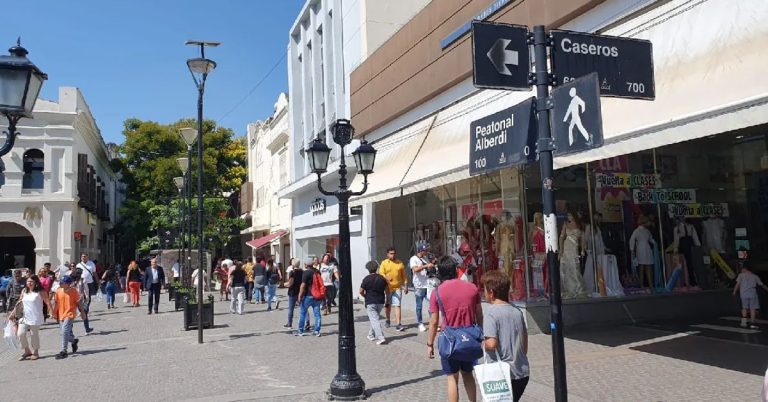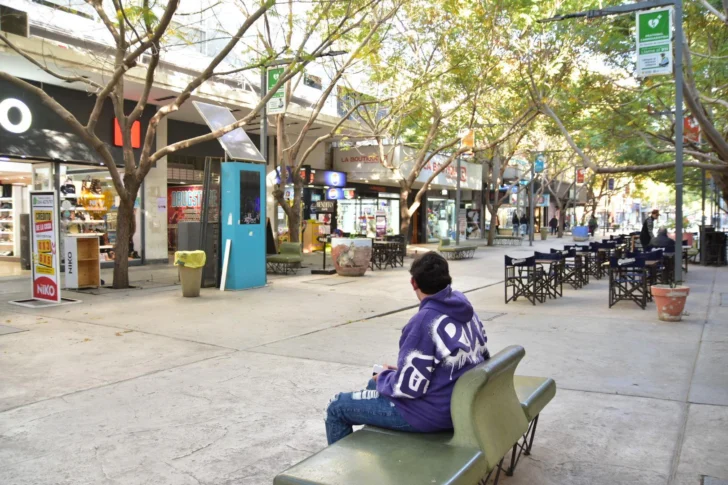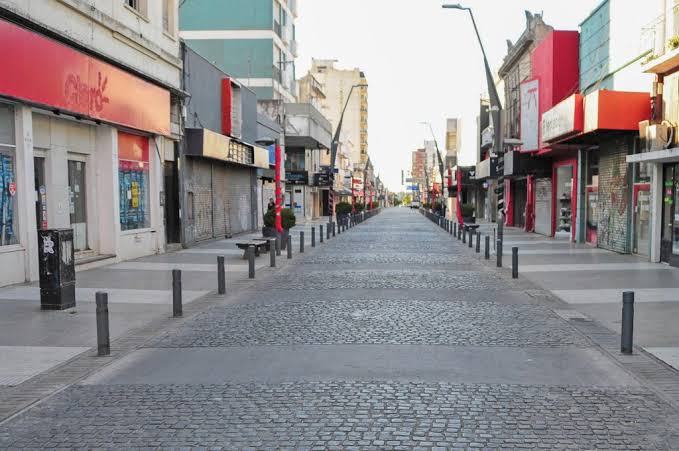
The center of Ciudad de Mendoza offers a divided commercial image. On San Martín street, open businesses predominate, although customer traffic is scarce and the shop windows display clearances of 40% and 50% in clothing and footwear. Vacancy becomes more evident when entering the galleries, walking through side streets, or moving toward the food corridors of Juan B. Justo and Arístides Villanueva.
The low attendance coexists with promotional prices that are not enough to restore demand. Sellers wait for buyers who arrive sporadically, while a larger part of family income is allocated to basic needs. A survey of Cámara de la Indumentaria included in the diagnosis recorded a drop of 15% in clothing production, a decline of 17% in shopping mall and supermarket sales, and the loss of 4.371 jobs related to garment manufacturing.
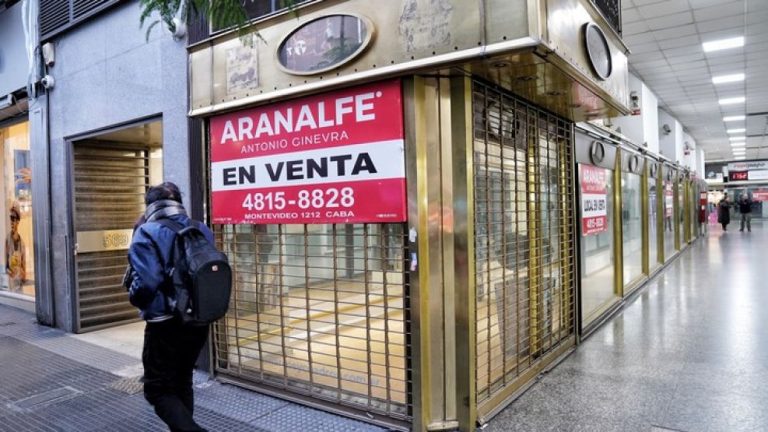
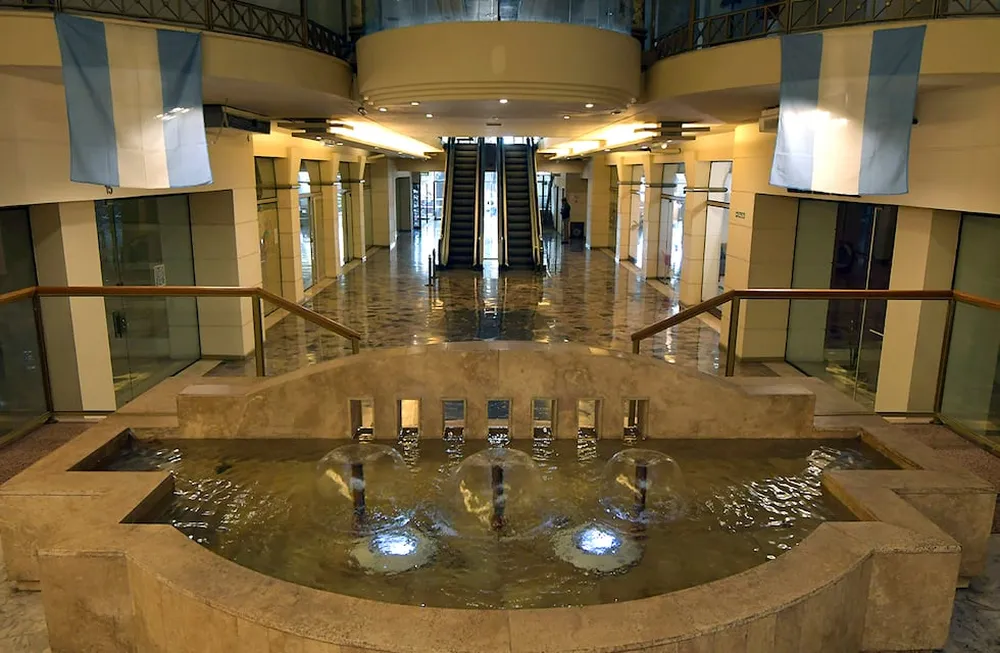
The Galería Independencia hosts one of the most critical scenes. At least nine closed establishments were identified there: some signs announced relocations within the same shopping area or to another part of the city, while others indicated closures. The historic restaurant located at the end of the gallery also stopped operating. In the Galería Mendoza, cafés and shops near the entrances are still open, but its corridors gather numerous vacant spaces.
The situation is not identical in all the promenades. Galería Kolton keeps its clothing stores and its café, although it has at least two shutters down towards the exit of calle Lavalle. Galería Caracol maintains higher traffic thanks to a specialized offer in tattoos, piercings, comics, and clothing related to bands and movies. Pasaje San Martín also preserves activity through small businesses and cultural proposals that recovered part of its dynamism.
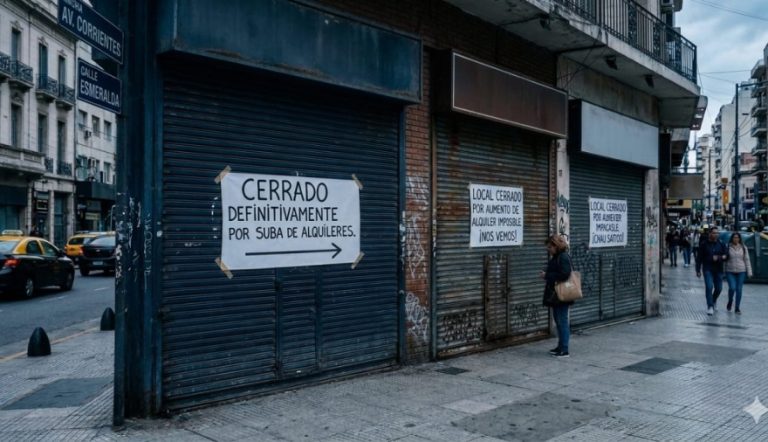
In Juan B. Justo, two establishments were permanently closed and offered for rent: a hamburger restaurant and a traditional beer garden. In Arístides Villanueva, old gastronomic spaces where Ground, Taquería, and other Mendoza nightlife venues once operated also remain vacant. At the same time, streets like 9 de Julio, General Paz, and San Juan show a higher frequency of rental signs than the main avenue.
This snapshot does not describe either a completely paralyzed downtown or a recovered retail sector. Businesses that rely on promotions, clearance sales and cultural activities remain open, alongside shopping areas where vacancy has become entrenched. The next indicator will be whether those spaces attract new tenants and whether open stores turn discounts into sustained sales; for now, San Martín's resilience coexists with more intense closures only a few meters away.