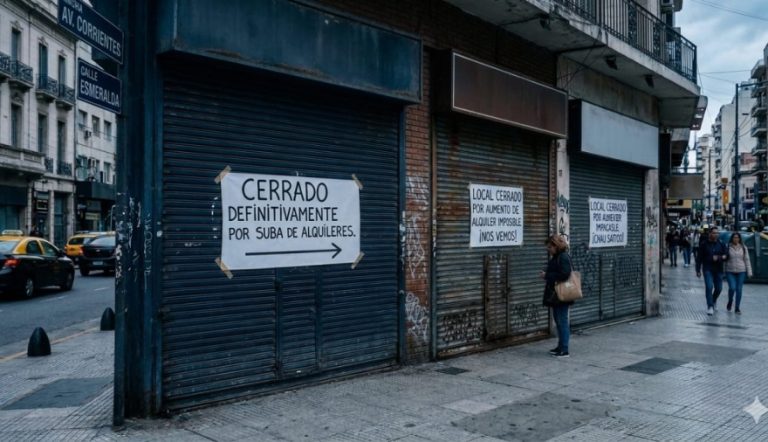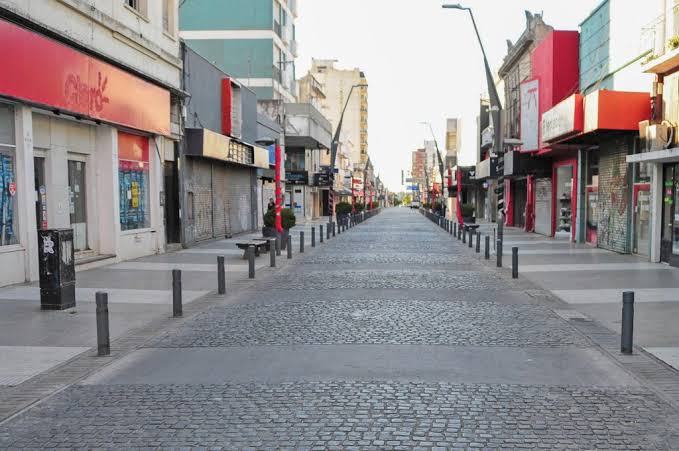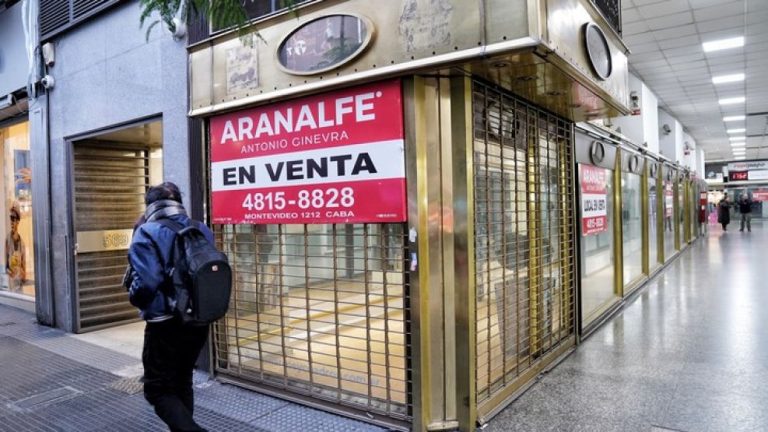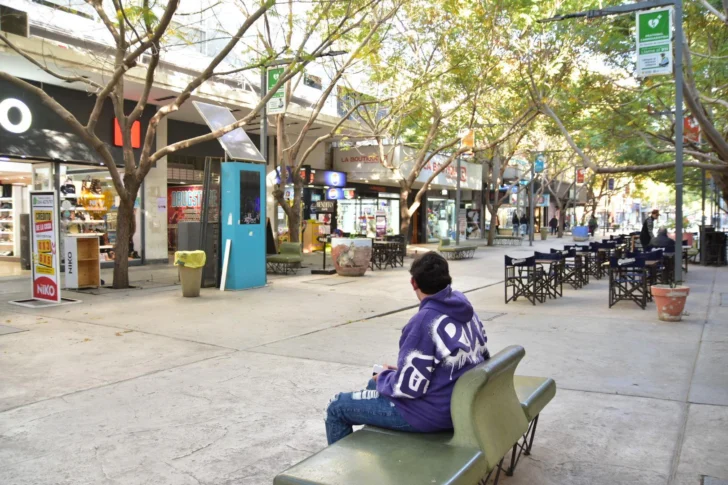
The storefronts that remain vacant in Peatonal and the downtown area of San Juan currently take an average of 60 days to receive a new tenant. The timeframe marks a change compared to previous years, when demand allowed a property to be occupied within hours. The phenomenon affects both businesses with only a few months of activity and historic shops that decided to close their doors.
The vacancy did not reach the magnitude observed during the pandemic, but turnover stopped being automatic. Mauricio Turell, president of Cámara de Construcción e Inmobiliarias de San Juan, and Leonardo Pérez, vice president of Colegio de Corredores Inmobiliarios, placed the usual delay between one and three months. That wait turns each departure into a greater risk for the owner and opens a negotiation before the contract ends.
The growth of online sales and the cost of rents explain part of the movements. Some updates exceed what tenants expected and lead them to look for spaces away from the center. At the same time, the idea that a successful business needs to set up in the heart of Peatonal has lost strength: new hubs have appeared in Gran San Juan and the demand for small premises that serve as a display while the rest is sold by catalog or online has increased.
Pérez identified the drop in consumption since February as the most determining factor. The owners began to maintain prices for a few months or to avoid staggered increases to prevent the merchant from leaving. Turell also described a greater willingness to negotiate when an update turns out to be disproportionate. The flexibility does not respond to a recovery, but to the cost of replacing someone who leaves in a market with lower demand.
Both leaders agreed that rent represents only part of the problem. Taxes, social charges, salaries and other operating expenses can exceed the monthly value of the property. A lower rent helps sustain the business, but it does not correct the lack of sales or eliminate the costs associated with maintaining staff, services and stock in an open premises.
The evolution will depend on two factors: how many businesses renew their contracts and how long it takes to fill the spaces that become vacant. If property owner concessions retain tenants, vacancy may stabilize; if weak consumption continues and there is migration to smaller spaces or digital channels, the average of 60 days may be extended. The downtown area retains activity, but it no longer guarantees the quick turnover that for years sustained its commercial density.