Río Negro presented at the 34º Aapresid Congress their strategy to expand irrigated agriculture in the Patagonian valleys. More than a hundred attendees participated in the panel dedicated to the province. Producers, technicians, and officials combined experiences in management, applied research, and public infrastructure to explain the opportunities and limits of a possible expansion.
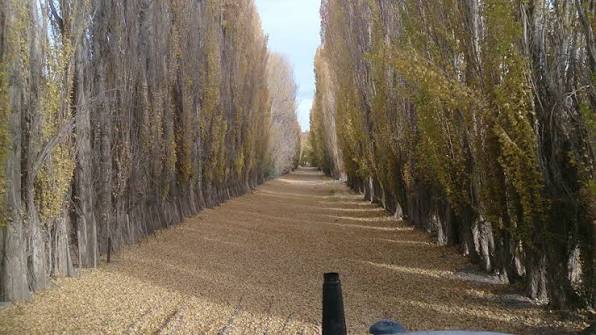
Guillermo Borrajo, from Agrónica, described a semi-arid territory with rainfall between 250 and 350 millimeters per year, crossed by a river with high flow and low-salinity water. He stated that less than 20% of its potential is used. Irrigation must be total: in summer, atmospheric demand can reach between 10 and 13 millimeters per day.
Energy defines a large part of viability. Pumping with diesel can exceed USD 800 per hectare per year, while electricity reduces that cost to approximately a third. Borrajo warned that installing a pivot does not guarantee results: alluvial soils are heterogeneous and require a master plan, texture and salinity surveys, well-sized equipment, and agronomic management.
La Chacra Valles Irrigados de la Patagonia presented 14 years of research. Alfonso Cerrota explained that they work on environments with less than 1% of organic matter and seek to create soil through rotations with grasses, legumes, cover crops, alfalfa, and livestock. The measurements showed improvements in carbon, infiltration, structure, and microbial biomass from the first years.
Systems reported corn averages between 11 and 14 tons per hectare, plots close to 18 and experimental potentials above 22. Soybean is around 4,5 tons and exceeded 7 in trials. These yields are not general guarantees: they depend on precise irrigation, soil, energy, and management. Corn may require about 950 millimeters during the cycle, and wheat, 700.
Lucio Reinoso, provincial Secretary of Agriculture, detailed electrification and canal modernization works that would allow the incorporation of around 40.000 hectares in five years. The plan has financing from BID for USD 80 million for infrastructure, training, and institutional strengthening. The figures are execution targets; the result will depend on completing the works, supporting producers, and sustaining the water resource.