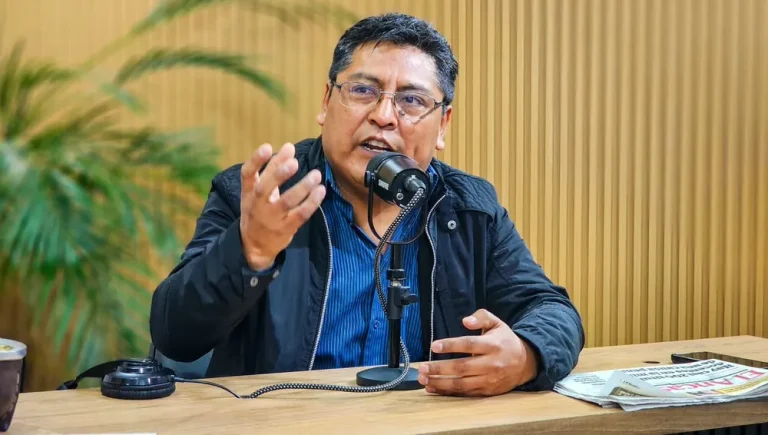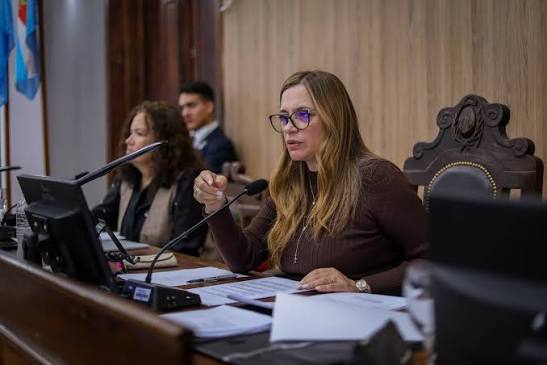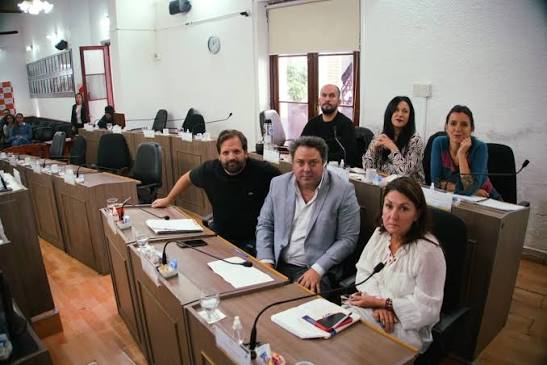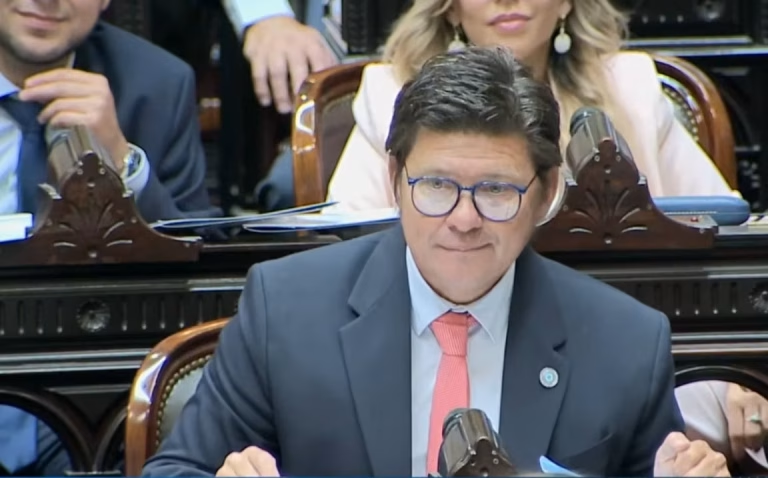
The Deliberative Council of the city of Formosa went through an extensive session marked by political and procedural differences. Under the presidency of Darío Di Martino, the body addressed tributes, debt cancellations, and tax exemptions for vulnerable residents, as well as requests for infrastructure and services. Tension grew during the debate of several files promoted by the opposition and reached its peak with the discussion about the opening of a plaza in the Lisbel Rivira neighborhood.
The blocks of La Libertad Avanza presented initiatives related to green spaces, profiling, filling, and compaction in Urbanización España, and a road intervention on Entre Ríos Street up to the access to Lote 15. Institutional proposals also appeared: an Open Municipal Budget System and Taxpayer Receipt, identified as file B-14/26, and adherence to a consumer fiscal transparency regime through file B-38/26. The session thus combined neighborhood demands with discussions on public information.
The main conflict focused on file B-11/26 regarding the Lisbel Rivira square. Mattía Cánepa Nemen requested preferential treatment, with or without discussion, for the next session. He questioned that a work started in 2023, with an original term of 150 days was still not enabled. His intervention attributed the delay to political times and argued that the neighbors should not have to wait for a formal inauguration to use a space that he considers public.
From the ruling party, Councilor Gamarra demanded that the matter be put to a vote and rejected that the municipality could be compelled to open a project which, she explained, it is not the executing body of. She also cited technical and administrative stages such as execution, extensions, provisional acceptance, and warranty. Her argument was that opening before completing safety conditions could put users at risk. The controversy pitted neighborhood urgency against formal responsibilities over a project that has not yet been accepted.
The dispute extended to the conduct of the debate. Cánepa left the chamber, but the other members of LLA remained in their seats and the session continued until the agenda was completed. Once it was over, the councilor and Di Martino exchanged reproaches outside the chamber. The episode showed that the split was not only between the ruling party and the opposition: the decision to leave was also not supported by the entire libertarian group, which added an internal tactical difference.
None of the cross-examinations resolved the material condition of the square nor established an opening date. To determine responsibilities, it is necessary to identify the executing agency, the certified progress, any extensions, reception, and safety conditions. Similarly, transparency and neighborhood project works must be distinguished according to their stage: presentation, reservation, dispatch, preference, voting, or execution. Treating all these stages as accomplished decisions would produce an incorrect picture of municipal legislative work.
The session left a substantive agenda overshadowed by confrontation. There were tax, road, neighborhood, and transparency files, but the dominant image was Cánepa's withdrawal and his clash with Di Martino. The institutional challenge will be to recover the content of the proposals and publish the progress of each file. Minutes, votes, reports, and project statuses would help reduce space for contradictory accusations. They would also make it easier for the residents of Lisbel Rivira to know which requirement is preventing the opening and which authority must comply with it. The opposition seeks to accelerate responses and highlight delays; the ruling party defends procedures and powers. The effectiveness of the Council will depend on turning that dispute into verifiable decisions for the neighbors. The next session will show whether the file receives the requested preference or remains pending in committee. That information should be made available for public oversight.