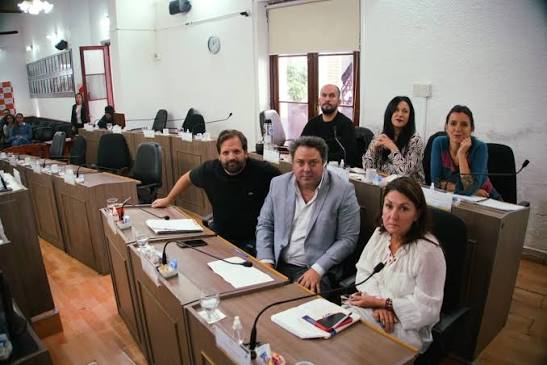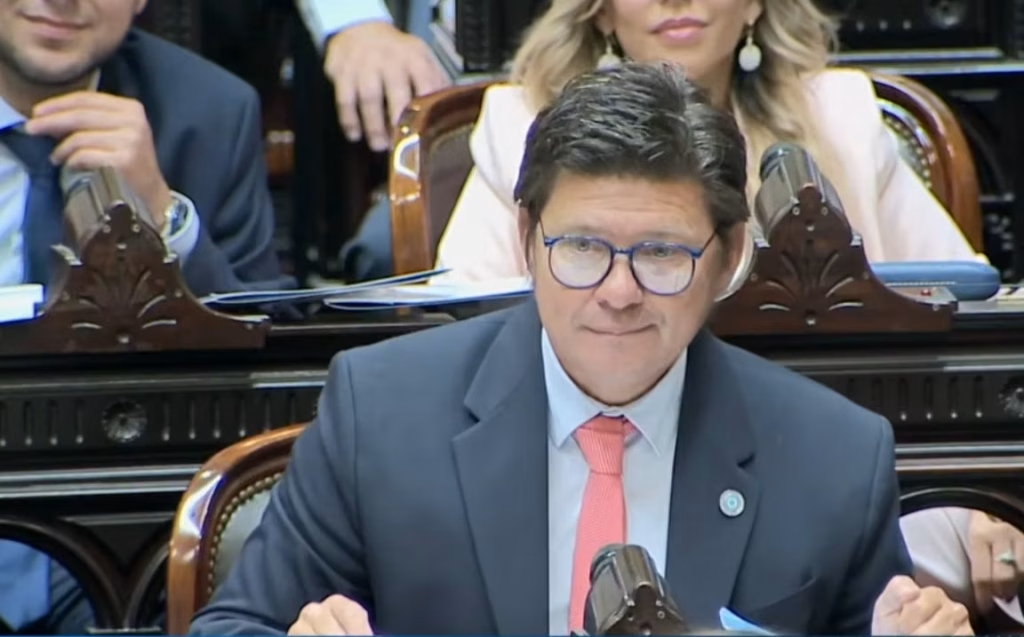
The Corrientes representation in the Chamber of Deputies was divided during the general vote on the reform of the Organic Charter of the Banco Central. Lisandro Almirón, Virginia Gallardo, and Federico Tournier, from La Libertad Avanza, voted in favor along with the radical Diógenes González. Against were Nancy Sand, Christian Zulli, and José Hadad. The provincial result was four to three, a fracture that followed different party alignments within the same jurisdiction.
At the national level, the initiative received 144 affirmative votes, 102 negative votes, and nine abstentions out of 255 ballots. The approval constituted a preliminary sanction, and the file must continue in the Senate. It is not yet a valid reform. After the general vote, the Deputies proceeded with the specific treatment of the text, amidst opposition complaints about the way chapters and articles were voted on. The subsequent process may introduce changes before a possible final sanction.
The project is organized into six axes: the mandate of the organization, removal of authorities, financial relationship with the public sector, profit regime, balance sheet cleanup, and operational rules on reserves. Its core is to limit the ways in which Banco Central can finance the Treasury. It also seeks to prevent temporary advances and direct purchases of government securities in the primary market, as well as to establish priorities for the use of accounting results and capital restoration.
The ruling party presents the reform as a guarantee of monetary independence and a barrier against issuing currency to cover fiscal deficits. Its supporters argue that the change offers predictability and protects the value of the currency. The opposition questions the tightening of economic instruments that future governments might need and warns of a subordination of other goals, such as employment and development, to a mandate focused on monetary stability. The vote in Corrientes reflected that national controversy.
The four provincial supports did not form a single party bloc. Three came from LLA and one from UCR, which shows the Government's ability to gain allies beyond its own caucus. The three rejections expressed opposing positions. The division allows one to see how a macroeconomic issue is territorially translated: the deputies represent Corrientes, but vote within national coalitions and with different interpretations regarding the balance between monetary discipline, institutional autonomy, and State tools.
The mid-term approval does not allow anticipating the result in Senate nor the final text. The upper house can approve, reject, or modify the initiative. If it introduces changes, the Chamber of Deputies must intervene again. The constitutionality and operational effects of specific provisions may also be discussed. That is why the votes of 26 in August set political positions and enable a new stage, but they do not by themselves produce the prohibitions and transformations contained in the project.
For Corrientes, the relevant fact is the absence of a uniform provincial stance. The representation was almost evenly split and prioritized party differences over a common definition. This behavior can be seen as plurality or as a lack of territorial coordination, depending on the perspective. Neither side reported a single institutional mandate from the Province that would require voting in a certain way. Therefore, the result should be attributed to decisions of blocs and legislators, not to a comprehensive stance from Corrientes. The next discussion in Senate will allow observing whether the Corrientes representatives maintain the same division. Meanwhile, the four to three documents how each deputy assumed individual responsibility regarding a reform with long-term national effects. Subsequent monitoring will allow comparing those positions with the vote on the final text and its eventual modifications. The file remains open and subject to changes in the Senate.