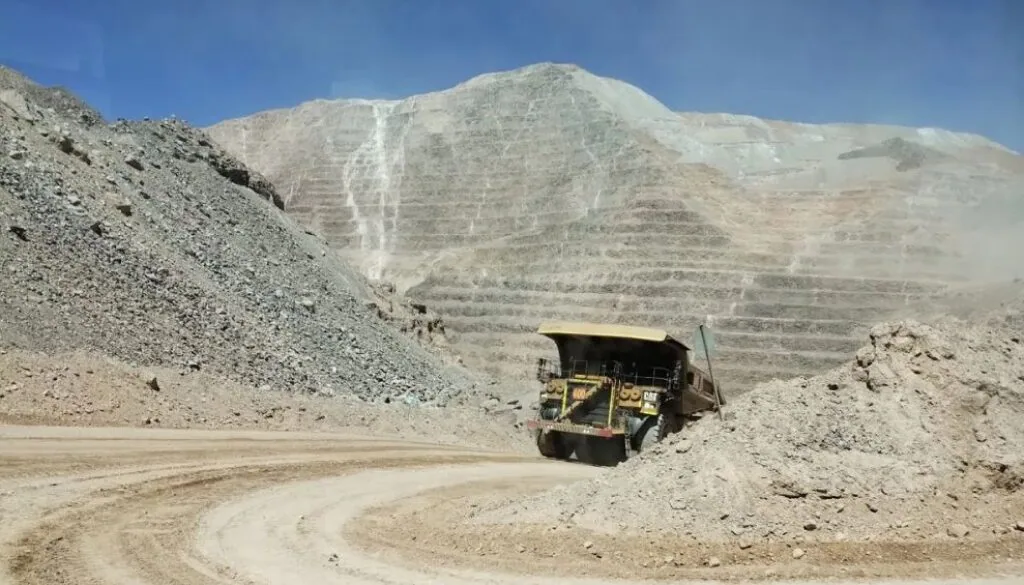
The construction downturn has reached the quarries of Olavarría and is already producing layoffs, voluntary exits and wage-cut proposals. Crushed-granite producers are operating at roughly 30% of capacity, with losses and no demand capable of absorbing their output. The crisis is turning one of Buenos Aires Province's mining centers into a company-by-company map of labor disputes.
The emergency has even changed the way stone is sold. Some companies are placing output below operating cost simply to raise enough cash to pay wages. Other quarries work only when they have diesel to start their equipment. Neither response restores the business: they sustain isolated workdays while increasing losses and shortening the time available to avoid bankruptcy.
The immediate cause lies in two markets contracting at once. The halt in public works eliminated purchases linked to roads and infrastructure, while the collapse in private construction reduced another source of demand. Tax debts owed to ARCA add to the lack of sales, even as several companies say the National Roads Directorate still owes them millions in unpaid obligations.
The cement industry confirms that the problem does not stop at the quarry gates. Loma Negra shut down the main kiln at its L'Amalí plant during winter to contain operating costs. The decision coincides with a 1.4% year-on-year drop in cement shipments, an indicator connecting lower construction activity with less input production and weaker demand for stone.
Galasur plans 27 dismissals in a situation described as far worse than the previous year. The company also cannot guarantee that it will be able to pay the required severance, combining job loss with uncertainty over compensation. Workers therefore face not only the risk of leaving the quarry, but of doing so without receiving the full amount owed.
Canteras Argentinas is seeking an agreement that would formally reduce wages by as much as 50%. The Argentine Mining Workers Association has not endorsed the proposal and warned that it is legally inconsistent. Meanwhile, the Ana Rita quarry is moving ahead with voluntary departures affecting about twenty employees, as fears of mass suspensions spread across the sector.
Uncertainty now centers on households' immediate income: workers at several companies fear receiving only part of their pay. Each negotiation must determine whether there will be layoffs, cuts, departures or suspensions and under what terms. Without a recovery in public or private building, and while tax liabilities coexist with unpaid state obligations, companies will continue managing scarcity rather than restoring production.