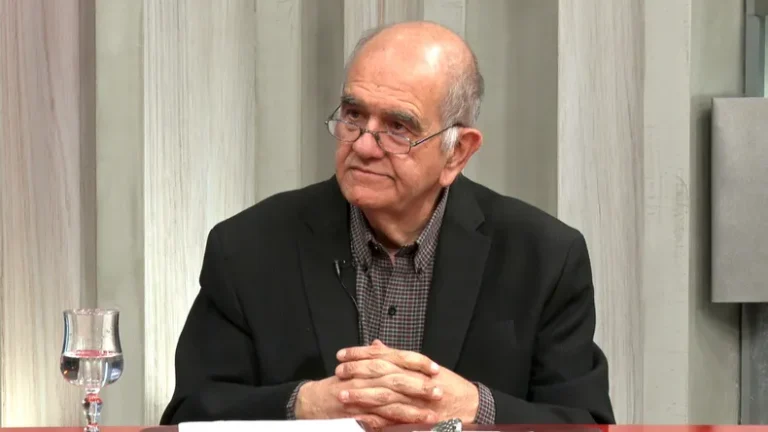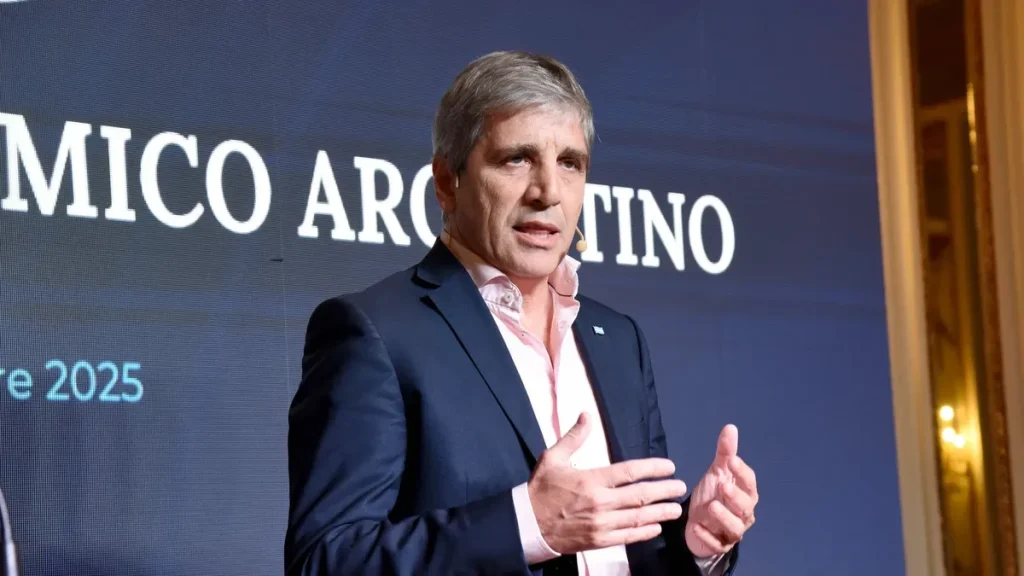
The Minister of Economy, Luis Caputo, called for judicial action against journalists who, according to his judgment, publish false information and called for a law that punishes such conduct. The reaction occurred after a message on social media linked him to Grupo Lenor and to the businessman Julio Made, in the context of a contract award related to the control of fuel dispensers. The official denied knowing the mentioned company and businessman.
Caputo stated that for a part of journalism, lying would have become an acquired right and affirmed that it is not reasonable to publish unfounded accusations without facing consequences. In another intervention, he questioned a note about official attacks on the press and argued that the headline should refer to an attack by journalism. President Javier Milei publicly supported the minister's response and once again criticized journalists and media outlets.
The statements were not accompanied by a judicial filing against the authors of the challenged information. Nor was a bill, an enforcing authority, a testing regime, or a definition of what type of falsehood would be sanctioned disseminated. Therefore, the matter remains on the political level. The courts have not determined that the original publication was false nor that the supposed business benefit described in it had existed.
The discussion combines two rights and responsibilities that should not be confused. Officials can deny data, demand corrections, and use the legal avenues in force if they consider their honor to be affected. At the same time, journalistic scrutiny of contracts, awards, and power connections serves a public function. Any new sanction requires rules compatible with freedom of expression, due process, and standards that prevent turning disagreement with coverage into an offense. The status of being an official also increases the public interest in information and requires tolerating a high level of criticism, without this allowing the deliberate fabrication of facts.
The episode also raises a question of administrative transparency. A substantive response can include hiring files, award criteria, ultimate beneficiaries of the companies, and control mechanisms over the suppliers. Caputo's personal refusal is relevant but does not replace the documentation of the indicated procedure. Likewise, a journalistic accusation needs sources and verifiable evidence to support a link between a public decision and a private interest.
The government has been maintaining a repeated confrontation with sectors of the press, while journalists and professional organizations denounce digital harassment and disqualifications from official or affiliated accounts. Caputo stated that officials should not just limit themselves to tolerating slanders. However, the intensity of the conflict does not allow concluding that every questioning is false nor that every official response constitutes censorship: each statement must be examined for its content, evidence, and concrete effects.
Until a formal initiative exists, there is no new legal obligation nor a judicial cause announced by the minister. The political fact is Caputo's request for publications considered false to receive sanctions and the presidential support for that stance. The subsequent debate should clarify whether the objective is to apply existing norms, create new responsibilities, or improve the transparency of public processes that generate journalistic investigations. Any eventual proposal must be examined by Congress and cannot be considered approved based on social media messages. Meanwhile, the controversy is resolved with documents, public responses, and the legal tools currently available. The best immediate response to a specific accusation continues to be publishing evidence capable of confirming or refuting it and allowing its independent examination. The burden of that demonstration falls on those who make each claim.