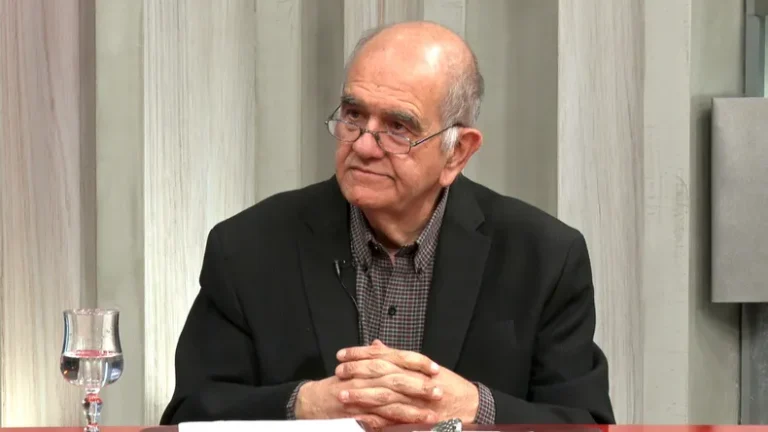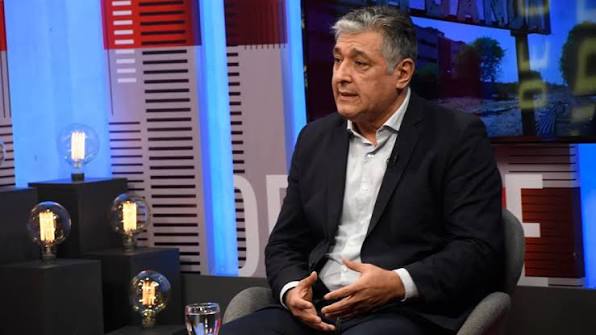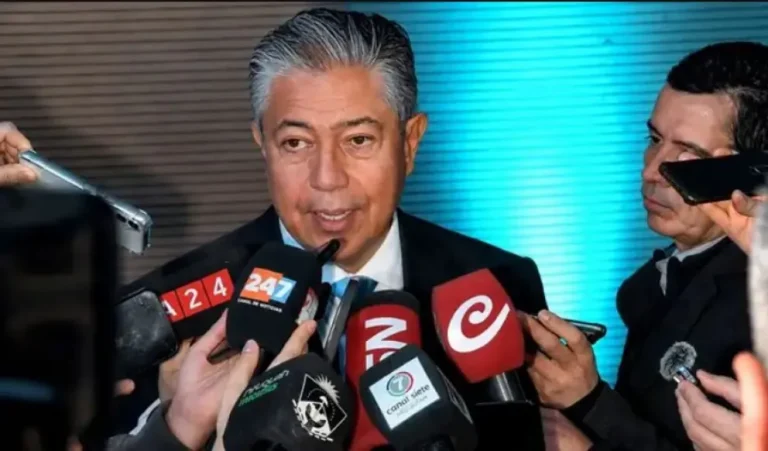
Representatives of La Libertad Avanza and PRO held the second meeting of the working table agreed upon by their leaderships at Casa Rosada. The government participated with the Chief of Staff, Diego Santilli; the President of the Chamber of Deputies, Martín Menem; and the pro-government facilitator Eduardo “Lule” Menem. PRO was represented by Cristian Ritondo and Fernando de Andreis. The meeting continued the rapprochement initiated after a conversation between Karina Milei and Mauricio Macri.
The official agenda combined pending reforms, parliamentary coordination, and territorial deployment. The Government needs to maintain variable majorities to turn its projects into laws, while PRO tries to preserve its identity and negotiating capacity. The meeting took place after the Deputies approved central initiatives for the administration, including the reform of Organic Charter of Banco Central and the so-called Fiscal Innocence II. That precedent reinforced the immediate usefulness of legislative cooperation between both spaces.
The electoral year of 2027 appeared on the horizon, but the table did not announce an established coalition, rules to select candidates, or seat distribution. Nor was a national agreement communicated that would bind the provincial or municipal leaderships. The conversations explore common points and evaluate scenarios; they do not amount to a formal alliance. That difference prevents presenting as closed a negotiation that still has to resolve leaderships, programs, schedules, and the particular situation of each district.
Santilli holds a unique position because he comes from the PRO and became a key interlocutor of the Government. His role facilitates dialogue, although it does not eliminate the accumulated tensions between libertarian and yellow leaders. Ritondo leads the PRO bloc in the Chamber of Deputies and provides a parliamentary structure necessary for several votes. De Andreis represents the party leadership close to Macri. On the government side, Martín and Eduardo Menem intervene in legislative and political coordination, under the national leadership of Karina Milei.
The participants presented the approach as a way to prevent the return of Peronism and consolidate the course initiated by Javier Milei. That definition provides a common adversary, but still does not establish detailed agreements on the economy, institutional organization, or social policies. An electoral coalition requires more than concurrent votes in Congress. It must also decide how it will handle disagreements, what commitments it will take on, and what autonomy its components will retain once the competition for candidacies begins.
The continuity of regular meetings allows separating short-term cooperation from a definitive electoral decision. In Congress, both spaces can coordinate specific projects without merging blocs or giving up their own positions. At the territorial level, each province presents different relationships between libertarians, PRO and local forces. Any national framework will have to adapt to these asymmetries. A closed pact from Buenos Aires could organize some districts, but also provoke resistance where parties compete with each other.
The concrete outcome of the second meeting is the maintenance of a political channel and the declared willingness to deepen the coordination. There was no announcement of a presidential formula, registered front, or common program. Nor did Javier Milei or Mauricio Macri participate personally, although their leaderships enabled the dialogue. The table reduces uncertainty about immediate parliamentary coordination and brings positions closer with a view to 2027, but it leaves the decisive components of the agreement open. The discussion about the PASO and the possibility of PRO having their own candidates shows that the convergence has not eliminated alternative strategies. The upcoming elections and territorial definitions will show whether the link turns into a stable coalition or continues as selective cooperation. The announced biweekly regularity will allow observing whether the mechanism produces commitments or is limited to managing differences without resolving them. The evidence will be each signed and applied agreement.