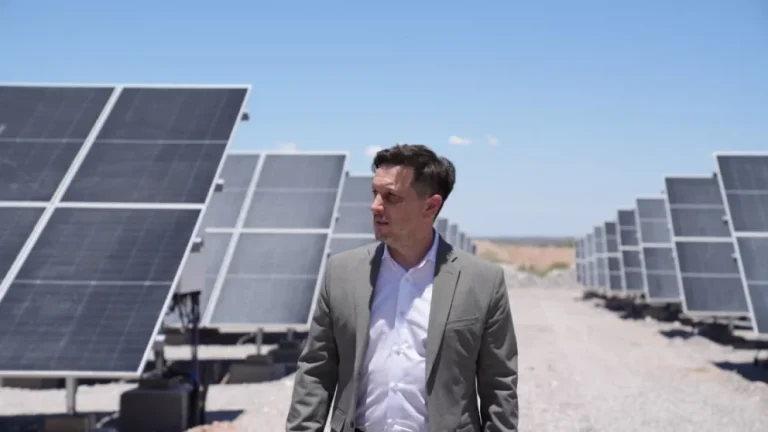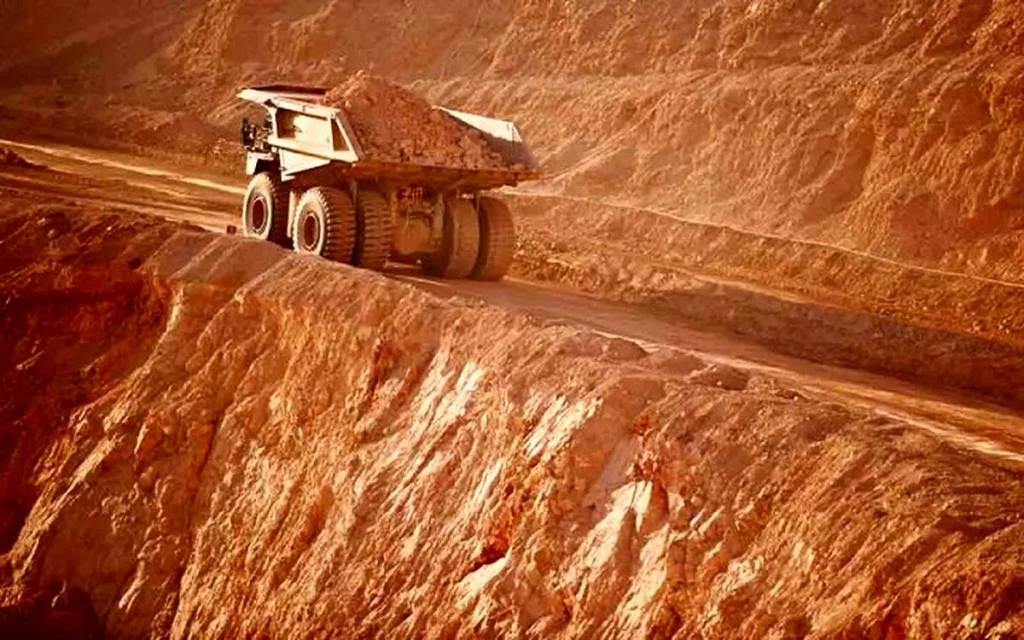
Copper is again taking a central place in Argentina's mining agenda. Michael Meding, chief executive of McEwen Copper and general manager of Los Azules, argued that the country has the conditions to rank among the world's five largest producers of the red metal if it can turn its advanced projects into actual production.
The diagnosis rests on a combination of rising international demand and local reserves of global scale. The electrification of the economy, power grids, electric vehicles, storage systems, solar panels and wind turbines are driving a need for copper that could leave the world with a deficit of nearly 10 million tonnes per year by 2040.
In that scenario, Argentina's major developments could contribute around 1.5 million tonnes annually, a figure equivalent to 15% of that projected shortfall. Meding identified Vicuña, El Pachón and Los Azules as some of the most relevant assets, three San Juan projects ranked among the world's largest by size, within a broader map that also includes opportunities in Salta, Catamarca and Mendoza.
Los Azules, located in San Juan, stands out as one of the most advanced cases. The plan presented includes an initial mine life of 22 years, production of about 200,000 tonnes of copper per year and exports estimated, at current values, between 2.6 billion and 2.8 billion dollars annually. It also foresees more than 3,500 direct jobs and integration with communities in Calingasta and across the province.
The production strategy seeks to move beyond the model of exporting concentrate. The project aims to produce copper cathodes with 99.99% purity directly at the mine, which would make it possible to supply an input suitable for cable, motor and other industrial manufacturers without relying on external refining. That decision opens a discussion on local value added and potential links with new industries.
The regulatory framework appears as another decisive factor. Meding linked the Incentive Regime for Large Investments to the recovery of investor confidence in an activity that requires intensive capital and predictable rules over decades. He also highlighted the design for low water and energy consumption, process traceability and the goal of emissions neutrality by 2038 as conditions for Argentine copper to compete not only on volume, but also on environmental standards.