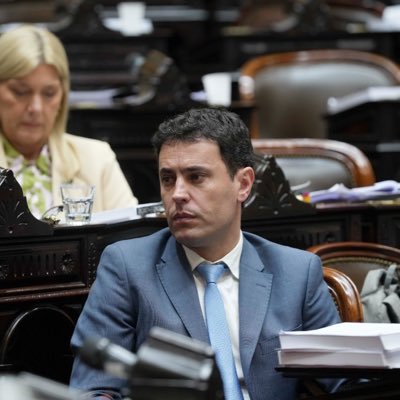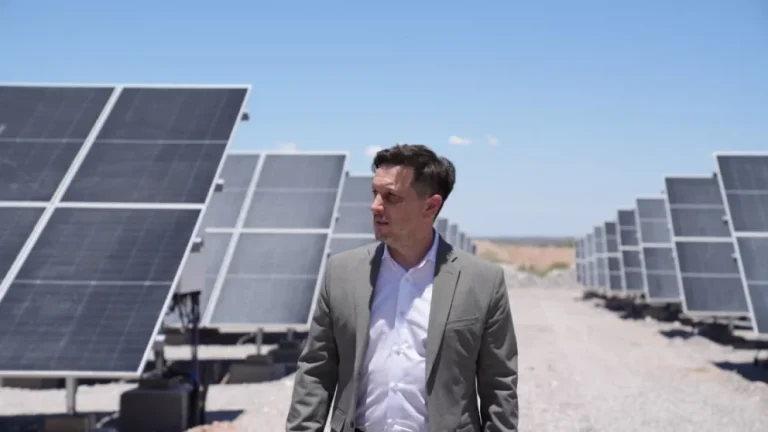
The Bloquista Bloc in San Juan's Chamber of Deputies backed the agreement signed by Governor Marcelo Orrego and Vicuña Argentina, but framed that support as conditional. The deal provides a non-refundable US$250 million advance for public infrastructure. The provincial party welcomed the arrival of capital before mining begins while demanding transparency and monitoring at every stage.
The financial arrangement combines the initial fund with royalties on future production. The company will pay 3% of gross sales value and, beginning in the sixth year of production, add 1.5% exclusively for community and productive projects. These are different mechanisms: the US$250 million is paid in advance and is not repaid, while the percentages depend on the beginning and commercial development of the project.
The bloc placed the Iglesia department at the centre of its position. It argued that the area directly linked to the mining transformation should receive priority benefits through better services, roads, energy, health care and new jobs. That territorial criterion seeks to ensure an identifiable share of the resources becomes local infrastructure instead of being absorbed only by province-wide projects.
Support does not amount to approval without oversight. The lawmakers committed themselves to monitoring implementation and demanded that every disbursement be connected to transparent, durable and verifiable works. Their position combines support for investment with scrutiny: backing initiatives that promote development while reviewing the use of funds, deadlines and compliance with the announced purposes.
The agreement prompted rapid reactions across San Juan politics. The government highlighted investor confidence and the availability of resources before exploitation, while other forces examined the economic scope and benefits for the departments involved. The Bloquista statement occupied a middle position: it recognised the financial opportunity but declined to treat the announcement as a final result before the money arrives and projects are completed.
Implementation is the next phase. It must define the advance's schedule, funded projects, reporting mechanisms and the future application of the 3% royalty and additional 1.5% fund. For the Bloquista Bloc, the deal will be judged by its ability to turn mining revenue into infrastructure and jobs, especially in Iglesia. Its support therefore depends on legislative oversight being able to track each resource from disbursement to completed work.