The 2026 Salta Mining Summit produced a definition that shifts debate from the existence of minerals to the capacity to turn them into operating projects. Lithium, copper and gold keep the province on the investment map, but participants agreed geology is no longer enough to compete. The new test combines infrastructure, legal certainty, procedures, skilled workers and stable relationships with communities.
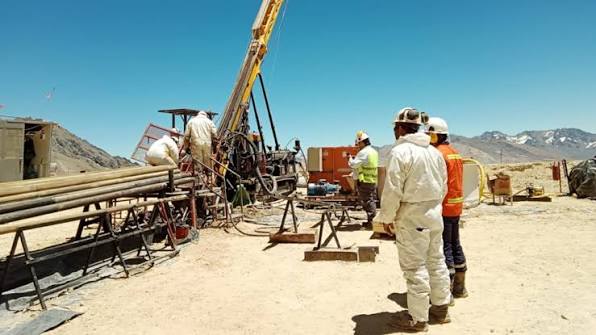
Infrastructure emerged as the most immediate bottleneck. A mine needs roads usable all year, reliable energy, digital connectivity, water, railways and efficient border crossings. In the Puna, every logistics delay raises costs and weakens Salta against other provinces and producing countries, even when the mineral resource itself is competitive.
The provincial government placed work on National Route 51 and other Puna corridors among its priorities. The issue extends beyond moving equipment: roads determine exports, suppliers, employment and daily access to projects. Without a network capable of supporting several operations at once, growth may stall between investment announcements and execution problems.
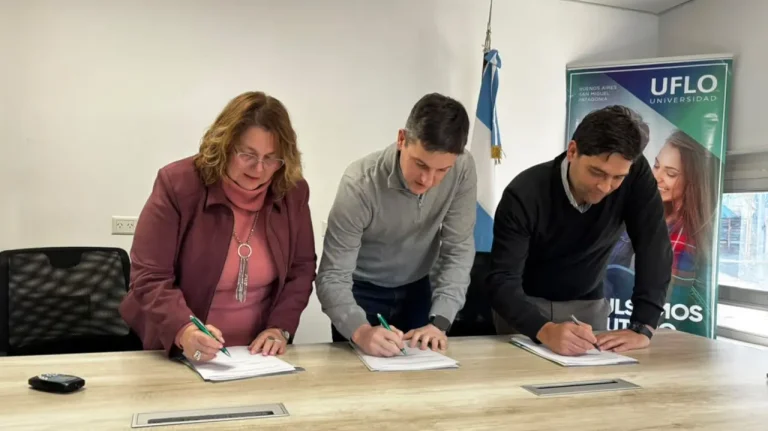
The second constraint is human capital. Projects will need workers in drilling, industrial maintenance, automation, geology, electromechanics, laboratories, logistics, renewable energy, environmental management and artificial intelligence applied to mining. Universities, institutes and technical schools must begin training before production; if they arrive late, many jobs will be filled by workers from other jurisdictions.
The meeting also placed communities inside the operating process, not only at the approval stage. The experiences presented indicated that companies must explain each phase, meet commitments and avoid expectations they cannot sustain. Puna communities want to understand impacts, access jobs and become suppliers, requiring permanent dialogue and verifiable data.
Government received its own competitiveness agenda. Digital files, transparency and shorter administrative times were presented as conditions for predictability, together with the corporate duty to submit complete, technically sound projects. In investments planned over decades, an unexplained delay can alter costs and decisions; accelerating incomplete work does not solve the problem either.
The next stage is to turn that consensus into schedules for logistics works, training programs, digital procedures and stable mechanisms for community participation. The summit did not settle who will finance each component or when it will be delivered. That practical translation will determine whether Salta's resources generate local jobs and suppliers or remain geological potential disconnected from the territory.