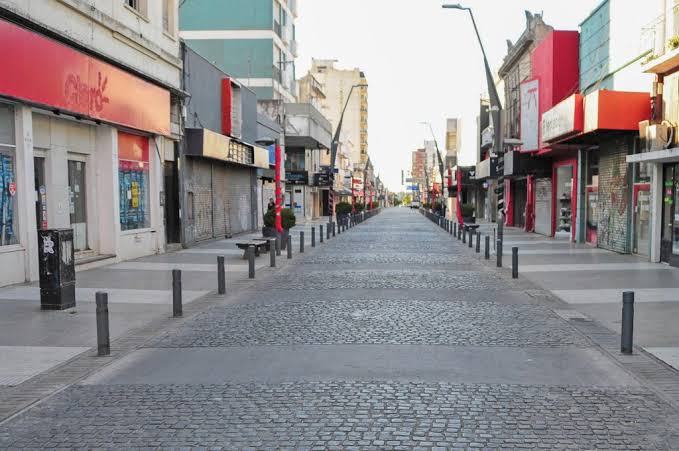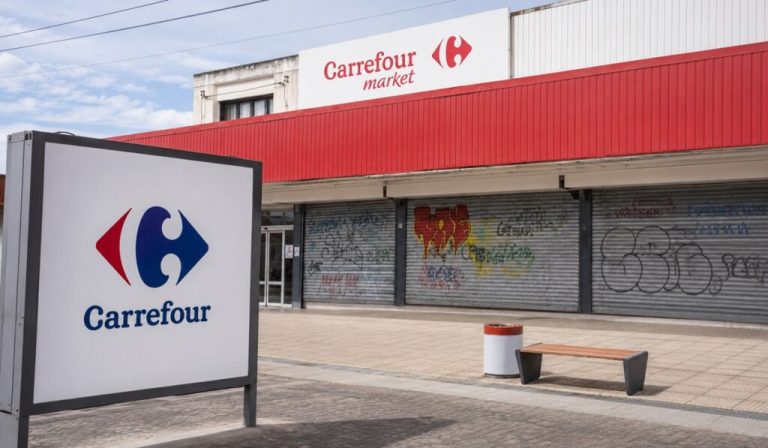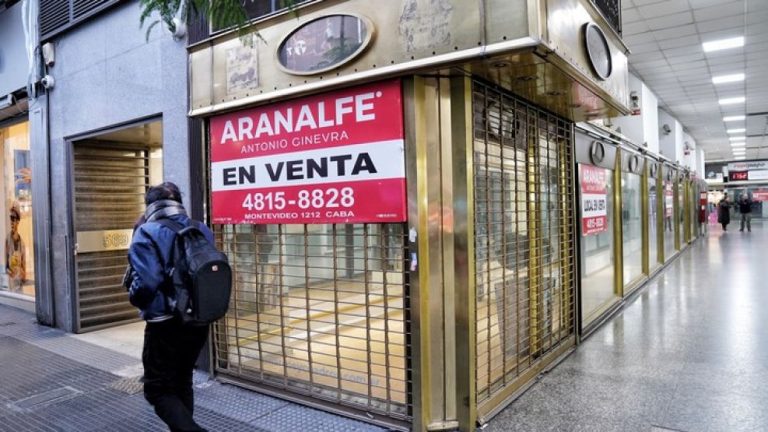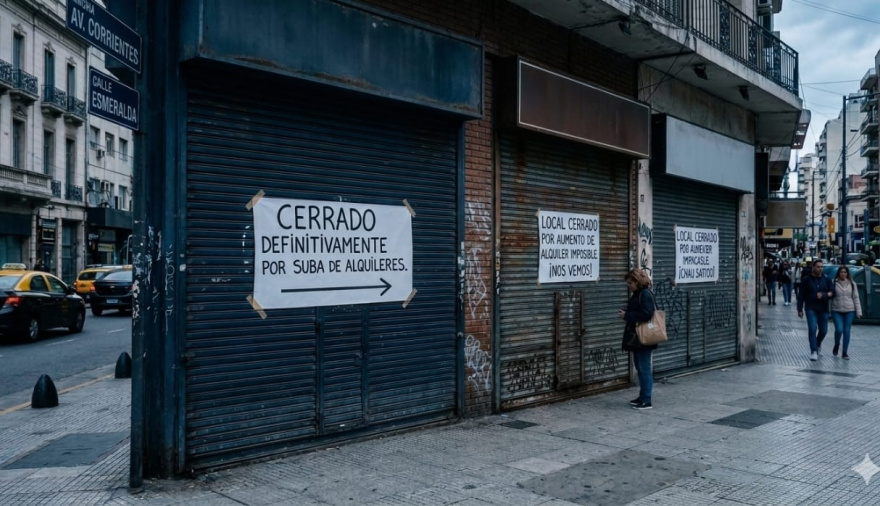
The commercial activity of San Luis combines a persistent drop in sales with more vacant premises in the capital and various towns in the interior. Peatonal Rivadavia, San Martín street, and other arteries located inside and outside the four avenues show properties offered for rent for extended periods. There is no consolidated provincial count in the available information that allows turning this picture into a total figure of closures.
The difficulty also affects recent ventures. Some businesses that opened a few months ago were unable to cover rent, utilities, and other costs, and ended up abandoning their premises. Those who remain active move part of their operations online to reduce expenses or expand their audience. However, the digital channel does not solve the main problem when overall demand remains sluggish.
Promotions now organize a large part of the retail strategy. Offers of 2x1, seasonal clearances, products sold at cost and card cashbacks seek to trigger purchases that are postponed on days without those benefits. Clothing and footwear use many of these tools, while outlets and circular fashion gain ground with discontinued garments, past-season items and products with slower turnover.
Family behavior explains the pressure on businesses. Consumers compare prices more, buy less on days without discounts, and resort to financing to cover basic goods. Elisa Agüero, a city resident and mother of a teenager, said she had to pay 100.000 pesos for a pair of sneakers and linked that expense to her own debt. Her testimony shows why a promotion can determine whether a purchase is made or postponed.
On the business side, the reduction of margins coexists with a structure that still requires payments. Álvaro, a merchant from the provincial interior, summarized that suppliers, rents, and employees leave the activity at a subsistence level. To those components, he added taxes and other fixed expenses. Selling at cost can generate circulation and free up merchandise, but it does not guarantee sufficient resources to permanently sustain the business.
The outcome will depend on whether promotions manage to rebuild demand without eliminating the necessary profitability to continue. If families maintain their restrictions, e-commerce and discounts will only redistribute scarce sales among channels and dates. If consumption improves, the currently empty stores may become occupied again. For now, the double pressure remains: indebted households carefully select each purchase, and businesses with minimal margins try to prevent survival from turning into closure.