The Government of Mendoza is preparing a technical document to propose in September to Chile and national agencies an expansion of the operability of the Paso Pehuenche. The initiative seeks for the crossing to accept all types of vehicles, including those that require Senasa controls, and to function as a logistical alternative when the Paso Cristo Redentor experiences closures or congestion. The proposal still requires binational agreements and federal decisions.
The plan was presented by the Undersecretary of Industry, Commerce, and Logistics, Alberto Marengo, before the Commission of International Relations, Mercosur, and Regional Integration of the Chamber of Deputies. Mendoza intends to arrive at the September meeting with information about infrastructure, works, and budgets. The official stated that there have already been contacts with Agencia de Recaudación y Control Aduanero and other organizations involved in border controls.
The discussion became urgent after a storm that kept the Christ the Redeemer closed for more than 24 days. The accumulation of snow exceeded three meters in different areas and stranded more than 2,000 trucks. Argentine and Chilean authorities met without reaching an immediate agreement for the reopening, an episode that once again highlighted the dependence on a single corridor for much of the international traffic.
Pehuenche connects southern Mendoza with Región del Maule and the Chilean ports of the Pacific. Provincial analyses estimate that cargo coming from Junín, Bahía Blanca, southern Brazil, and Patagonia, within the band between parallels 34 and 36, could save between 460 and 600 dollars per trip if they used this pass. That calculation supports the commercial argument, although its realization depends on controls, routes, and operational capacity.
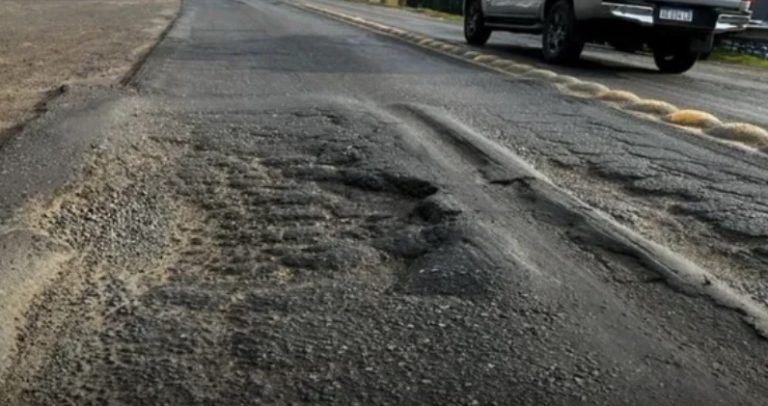
Road infrastructure constitutes the main identified limitation. Mendoza considers improvements necessary on national routes 40, 188, and 145, in addition to the roads that connect the Valle de Uco and the eastern area with the southern part of the province via El Sosneado. From Malargüe, Route 145 runs about 140 kilometers to the border and connects with routes 144 and 40 towards San Rafael and General Alvear.
The deputies of the commission agreed to call on national legislators from Mendoza to present the studies to them and request actions before the federal agencies. The next concrete step will be to turn the available information into a document with budgets and priorities for the binational meeting. There it must be decided whether Chile and the Nation accept the control changes and the works capable of transforming Pehuenche into a stable alternative for freight, tourism, and regional traffic.