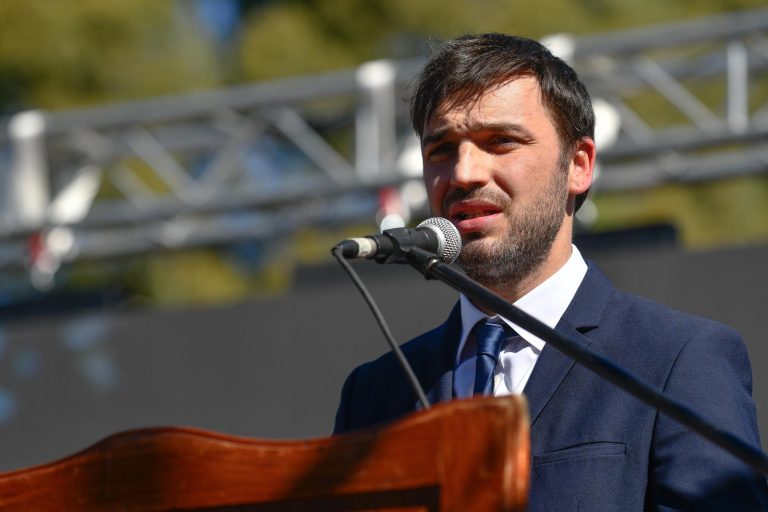
Claudio Alejandro Petris, an Esquel appeals judge, resigned on November 6, just ten days before an impeachment hearing over alleged illicit enrichment, abuse of power and conflicts of interest. His resignation now requires a decision from Chubut's Superior Court.
If the Superior Court accepts it, the impeachment tribunal would likely lose jurisdiction because Petris would no longer be a judge. The case could be archived before the public hearing. Resignation itself is not an admission of guilt.
Petris had also been a visible leader in the Association of Magistrates and had clashed politically with Governor Ignacio Torres over judicial privileges. That context is relevant but cannot replace evidence or disciplinary analysis.
The core institutional question is whether resignation can become an exit from an advanced accountability process. Losing judicial status may legally end impeachment, yet serious allegations can remain publicly unresolved.
The accusations involve different legal elements and require proof through assets, documents, decisions, relationships and official conduct. The impeachment hearing was supposed to provide an adversarial process with accusation and defense.
The Superior Court therefore faces more than a routine administrative decision. It should explain the legal basis for accepting or rejecting the resignation and what happens to the evidence already gathered.
Any independent criminal or patrimonial investigations should continue regardless of resignation. Leaving office does not automatically erase other forms of possible responsibility.
The next step is the Superior Court's plenary decision. Acceptance would shift the debate to remaining investigations and institutional legitimacy; rejection would allow impeachment to proceed.