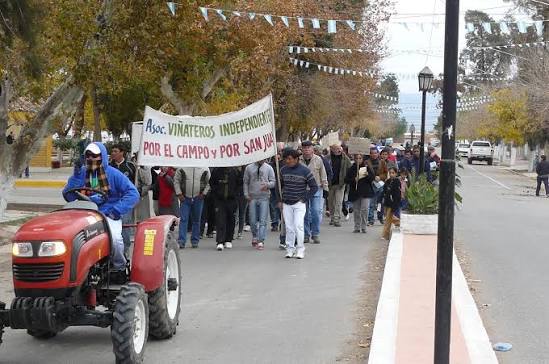
The Centro de Viñateros y Bodegueros del Este urged the Government of Mendoza to intervene in the stagnation or drop of wine prices, the shortage of operations, and the increase in costs. The entity stated that electricity, fuels, inputs, and services continue to become more expensive without a parallel reduction in municipal, provincial, or national taxes.
The proposal put the Banco de Vinos in the foreground, created to act against market imbalances. The organization requested that this tool be used while its legislation remains in force. It also recalled that more than a year ago it proposed an operation to boost bulk wine exports, in addition to activating the agency, without receiving the response it expected.
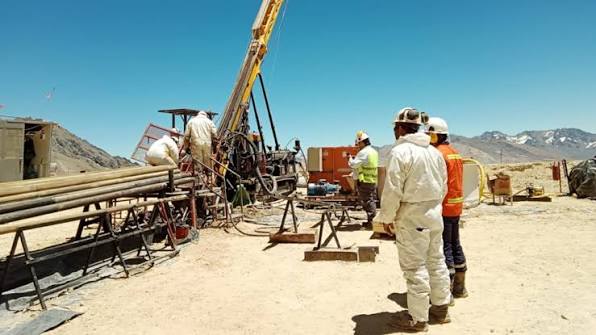
The entity clarified that it does not question provincial policies aimed at energy, mining, and oil, but considered viticulture to be neglected. Its argument is that the sector not only produces wine: it supports businesses, employment, families, and community in numerous departments. That interpretation is part of the institutional claim and does not constitute an official decision on budgetary priorities.
Concern also extended to the terms of sale. The Center listed contracts of which a copy is not kept by the seller, delays between the agreement and the pickup of the product, payments calculated from that pickup and not from the transaction, requirements added afterward, and renegotiations when the volume is already committed. According to the entity, these practices reduce predictability and transfer the financial cost.
The statement rejected the idea that these asymmetries should be treated solely as problems between private parties. It argued that, when certain practices become widespread, the State can create more transparent rules or apply intervention instruments. The statement reflects the position of winemakers and cellar owners from the East; it does not imply that the mentioned situations have been verified in all market operations.
The sector linked prolonged loss of profitability with lower investment, deterioration of farms, less employment, and weakening of rural roots. It also clarified that there is no direct relationship between low prices and crime, although it considers that an active productive territory improves prevention. The concrete request is to use existing tools; the governmental response and any potential measures remain pending.