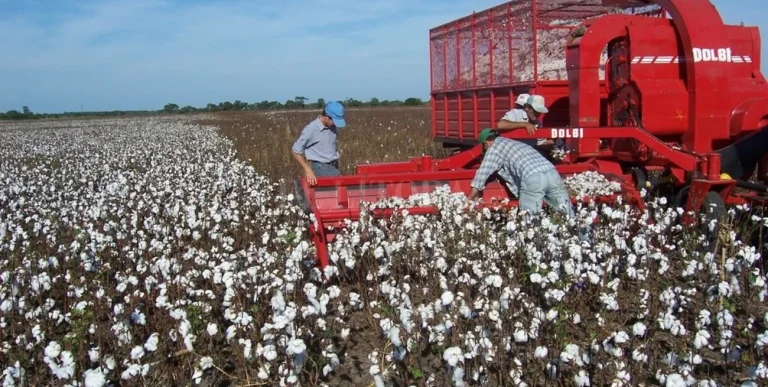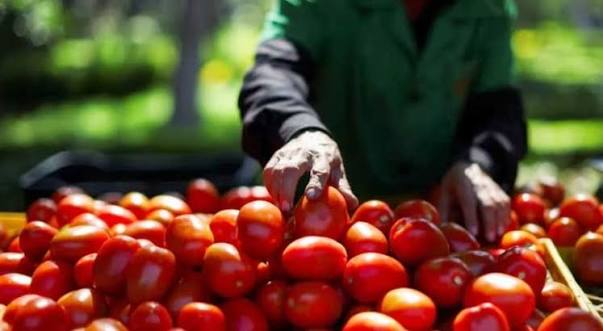
San Juan will plant between 1.800 and 2.000 hectares of industrial tomato in the campaign starting in August. The projection by Tomates 2000 implies a reduction of between 20% and 25% compared to the previous year and represents the second consecutive decline. The province will remain among the main national producers along with Mendoza.
The company attributed the decline to imported tomato paste, which has been competing with the local product for the past two years. The ingredient mainly comes from Chile, as well as China and Europe, and covers around 20% of Argentina's demand for puree. The reduction of the area aims to avoid overstock when part of industrial consumption is supplied from abroad.
The decline occurs despite the yields. San Juan exceeded 105 tons per hectare over the last two seasons, while Mendoza remained below 90. Both provinces contribute about 80% of the tomato intended for processing. The San Juan chain already uses drip irrigation, adapted varieties, and mechanized management, but faces costs of energy, taxes, and services.
In the 2025-2026, campaign, the provincial area decreased from 3.500 to 2.325 hectares, almost 30%. Across the country, the area went from 7.300 hectares in 2024-2025, when self-sufficiency was reached, to 4.980 in the next cycle. The factories define much of the planting through their expected demand, so a lower purchase quickly transfers to the field.
The large companies Arcor, Marolio, and Ava were identified as industries that do not import tomato paste. Baggio, from RPB, does resort to external purchases after not maintaining its own network of local suppliers. The reference identifies specific business decisions, although it does not quantify how much each firm imports nor attribute the entire provincial reduction to a single buyer.
For 2026-2027, between 3.700 and 4.000 hectares are projected in the country, with a recovery only from 2027-2028, when the accumulated stock is absorbed. The sector requested reducing taxes on inputs and maintaining contracts with factories: fresh tomatoes receive a lower price and face a higher risk of not finding a buyer. These forecasts remain subject to market, costs, and actual industrial demand.