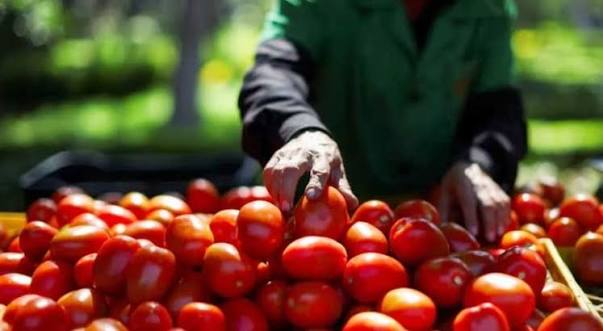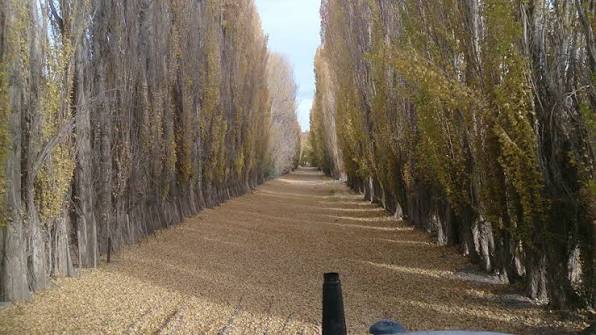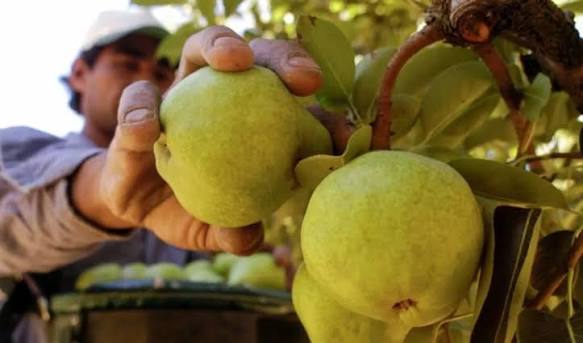
Producers of pears, apples, quinces, and cherries from Neuquén must register or re-register during August in the National Sanitary Registry of Agricultural Producers. Those who direct fruit to external markets will also have to renew the specific sanitary programs required by each destination. The procedure opens the preparation calendar for the new export season.
The first stage is completed through self-management in the Integrated Fruit Traceability Management System, known as Sigtraza. To access it, the ARCA Fiscal Key is required. Exporters also have an in-person instance: they must take the RENSPA form and the annexes of each program in duplicate to the nearest SENASA office to validate the documentation.
Before confirming the registration, each establishment must update the planting frameworks of its plots. The declaration includes the number of plants, distances between rows and individuals, year of implementation, species, and variety. This information is used to estimate yields per hectare and define the network of traps that monitor pests within the export plans.
When there has been a change of ownership or exploitation contract, the documentation can be sent to the email provided by the organization or submitted in person. The instrument that certifies the use of the field, identification of the owner or representative, proof of CUIT or CUIL, and, if applicable, the company's articles of incorporation, are required.
The protocols are not the same for all products and destinations. Pears, apples, and quinces have differentiated programs for Brasil, China, and Israel. Cherries have specific requirements for China and Canadá; the latter market applies integrated measures against Lobesia botrana. The pome fruit annexes are issued pre-filled from Sigtraza, while the cherry ones must be completed manually.
The August registration does not close the process. Between September and mid-October, establishments will receive inspections from SENASA and must have the forms and the updated field notebook available. The obligation also applies to Río Negro producers, but the territorial classification highlights its effect in Neuquén. Completing the registration correctly is the initial step to maintain traceability, sanitary control, and stable access to markets.