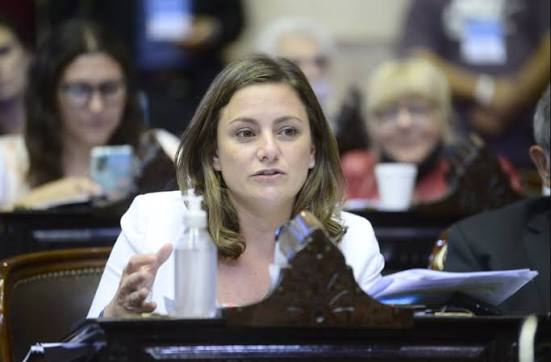
National Deputy Vanesa Siley introduced a Care Bill for People Working in Digital Platform Services. The initiative seeks to establish specific rights for delivery workers, drivers, and other service providers who operate through applications such as Rappi, PedidosYa, Uber, or Cabify, without excluding the application of labor regulations when applicable according to each relationship.
The text appears after the 27.802 Labor Modernization Law defined the figure of the independent application provider, without an employment relationship or general coverage under the Labor Contract Law. It also takes as reference the 193 Convention approved by the International Labour Organization and regulatory experiences or open debates in other countries.
Among its provisions, the project recognizes the freedom to define the workday and considers working time to be the period between connecting and disconnecting from the application. It proposes health stations coordinated with municipalities and CABA, an emergency button for unsafe situations, support channels with physical and telephone presence, training, helmets, and other protective equipment.
The initiative incorporates damage insurance, coverage against third parties, and a simplified labor risk scheme through a ART. It foresees staggered vacations from 14 to 35 consecutive days according to seniority, without penalty on digital reputation, and establishes that working on platforms be compatible with social, educational, or employment programs.
Another axis is algorithmic transparency. People would have the right to know the parameters used to assign tasks, create profiles, or condition access to employment. Companies could not disconnect someone without prior defense, and digital reputation would be recognized as a portable asset. The calculation of distances should follow the actually traveled urban route.
The project creates a Nacional Commission on Digital Platforms composed of the State, unions, and companies to set minimum pay, working conditions, and algorithmic control protocols. The sector would gather more than 67.000 people and would have grown 289,5% between 2020 and 2023. Those data support the proposal, but its benefits are not yet in effect: they require debate, negotiation, legislative approval, and parliamentary majorities.