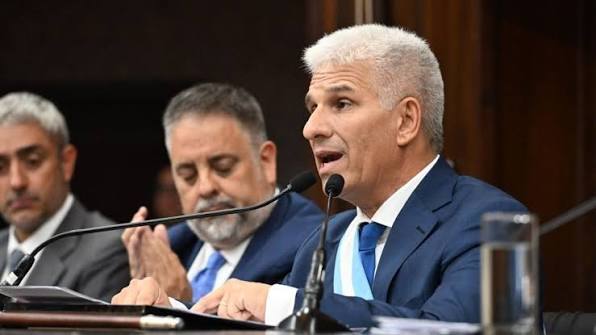
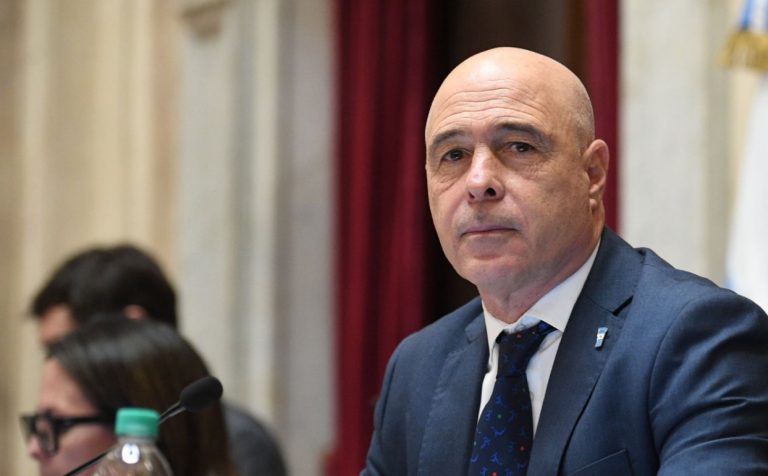
The San Luis Legislature moved forward in defining the matters that could be included in a partial reform of the provincial Constitution. The Constitutional Affairs committees of the Senate and Chamber of Deputies met jointly again to study the bill that must declare the need for reform. Lieutenant Governor and Senate president Ricardo Endeiza chaired the meeting, joined by constitutional scholar Cristian Altavilla, Parliamentary Liaison director general José Giraudo and lawmakers from both chambers.
One area proposes adding a federal clause reaffirming San Luis's autonomy in line with the 1994 reform of Argentina's National Constitution. The discussion covers stronger provincial powers, San Luis's participation in the design of federal policies and its position in a possible debate over a new revenue-sharing system. The proposal seeks to state those authorities within the local constitutional text.
The update also enters the technological sphere. Lawmakers examined rights involving digital identity, protection of personal data from the use of algorithms, universal access to connectivity and Habeas Data guarantees. Access to public information is added as part of an open and transparent government model, while artificial intelligence appears as a reality not specifically addressed by the current text.
Another chapter under study would regulate intergovernmental and international relations. The proposal seeks to authorize San Luis to sign direct investment and cooperation agreements with other levels of government and foreign actors, within the powers recognized by the National Constitution. This definition would connect provincial autonomy with tools for managing agreements beyond its immediate administration.
The reform could also change the way the executive branch is elected. The meeting discussed adding a second round, or runoff, for governor and lieutenant governor, presented as a mechanism intended to strengthen the popular legitimacy of the winning ticket. Its possible inclusion would introduce a new provincial electoral rule and would have to be expressly authorized before a Convention could debate it.
That restriction is a central part of the institutional design under consideration. A future Constitutional Convention would not receive open authority to review the entire Constitution: it could address only the subjects expressly listed by the law declaring the need for reform. Even within that agenda, it would retain the power to leave provisions unchanged when it considers them appropriate, so legislative authorization does not automatically produce an amendment.
The process remains at the parliamentary stage. The meeting organized content on federalism, digital rights, cooperation, the electoral system and the Convention's powers, but it neither formed nor convened the reforming body. The next step belongs to both chambers: continue debate and decide on a declaration of need with a precise agenda. Only afterward can the constitutional stage open to determine which proposals will actually enter the San Luis Constitution.