Mendoza introduced a Cybersecurity Bill designed to establish a permanent framework for protecting the state's digital infrastructure and essential public services. If approved, it would become Argentina's first specific provincial law of its kind.
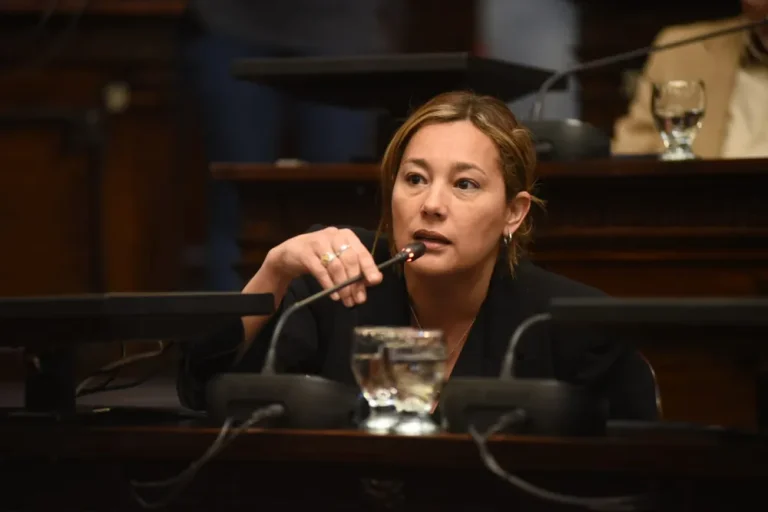
Security and Justice Minister Mercedes Rus presented the initiative in the legislature alongside Lieutenant Governor Hebe Casado and authorities from both chambers. Governor Alfredo Cornejo had announced the proposal during the 2026 White Hat Conference.
The bill covers the executive, legislative and judicial branches, as well as companies and providers supplying digital services, connectivity, software, storage or technological infrastructure to the state. Municipalities may join voluntarily.
It provides for a Strategic Cybersecurity Committee, a Security Operations Centre and an Incident Response Team. It also creates a Provincial Incident Register to centralise information, measure response times and generate statistics.
The law includes specific measures to protect systems linked to health, education, security, justice, public finance, digital identity and transport. It also requires comprehensive data governance throughout the information life cycle.
One of its most innovative elements is a responsible disclosure programme allowing researchers, specialists and ethical hackers to report vulnerabilities under confidentiality and legal protection rules.
The bill also includes digital literacy campaigns, a progressive sanctions regime and more agile mechanisms for acquiring and updating technology used to protect public information.