The Santa Fe government decided to accelerate the package of eleven security reforms sent to the legislature in May and wants them approved before year-end. After five months of debate, consultation and postponement, the provincial executive says negotiating time is exhausted and is concentrating pressure on the Socialist Party, the Unidos partner with the strongest objections.
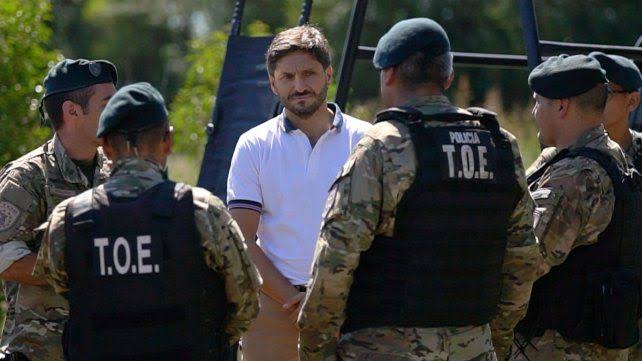
For Governor Maximiliano Pullaro's team, urgency follows a political and operational assessment: crime is contained but not broken. The administration points to reduced violence under its initial strategy but argues that criminal organizations can rebuild unless police, prosecutors and judges receive new tools. Security is also the governor's main public identity, making delays from within his coalition especially costly.
The bills were largely frozen while electoral reform dominated the legislative agenda. They returned to committees only in October, with participation from prosecutors, public defenders and the Supreme Court. The immediate test is obtaining committee reports for three initiatives by October 29. Without an internal agreement, even that partial step may be postponed again.
The package includes sensitive measures: broader police powers for certain searches, changes in collecting and excluding evidence, statements during investigations, trials in absentia and new restrictions on high-profile prisoners. The executive presents them as a second stage against organized crime. Critics warn that changing procedure without sufficient checks can affect defense rights, privacy and due process.
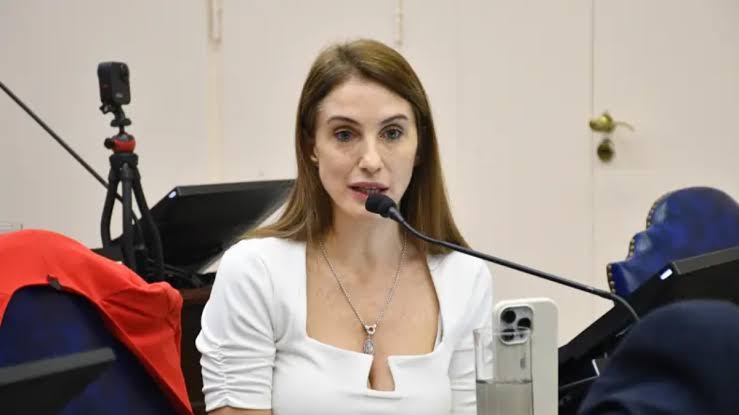
The Socialists do not reject all reform but demand constitutional review. Their lawmakers question expanded police and prosecutorial authority, the scope of judicial oversight and the idea that parliament should merely approve the governor's texts. Chief Public Defender Estrella Moreno Robinson objected to questioning without counsel, expanding trials in absentia to all crimes, weakened search oversight and coercive measures imposed by prosecutors.
The provincial executive accepts changes in wording, observations and corrections but sets a boundary: the core axes cannot be altered. That position seeks to preserve the effectiveness it attributes to the package, but it narrows the space for agreement when objections concern institutional design rather than language. If a disputed guarantee is central, editing words may not solve the conflict.
Pressure has become coordinated. Martín Rosúa, José Corral and Security Minister Virginia Coudannes publicly defended the initiatives, while Senator Felipe Michlig used a session marked by governing-party absences to demand legislative commitment and accelerate the lower house. The clash exposes an Unidos paradox: its broad coalition must negotiate precisely over the area Pullaro considers most his own.
The next step is whether the first three bills obtain committee approval and whether that agreement can extend to the remaining eight. Passage without sufficient corrections may lead to court challenges; another delay will weaken the government's urgency argument. A viable solution must separate operational tools from rights restrictions and document oversight, allowing effectiveness without turning security into a permanent coalition fracture.