The Government of La Rioja asked to be admitted as a private complainant in the federal case investigating Integrated Road System funds. Its filing says more than ARS 1 trillion earmarked for road construction, preservation and maintenance was placed in term deposits and Treasury bills. The court has yet to rule on the province's participation.
According to filed documents, as of 31 May 2026, ARS 1.001.017.908.957 in SISVIAL funds was invested in financial instruments. The province says the national administration allocated about ARS 1.5 trillion to the system in its first two and a half years, but only ARS 394.406 billion went to works and maintenance, equal to 26.2% of the total.
The document, submitted by Ricardo Quintela on behalf of the state of La Rioja, requests an investigation into possible crimes of embezzlement of public funds, fraudulent administration, abuse of authority, and failure to fulfill duties. It mentions Javier Milei, Luis Caputo, and officials from Vialidad Nacional and Banco Nación who may have been involved. These are hypotheses of the complaint: there is no conviction or definitive judicial attribution.
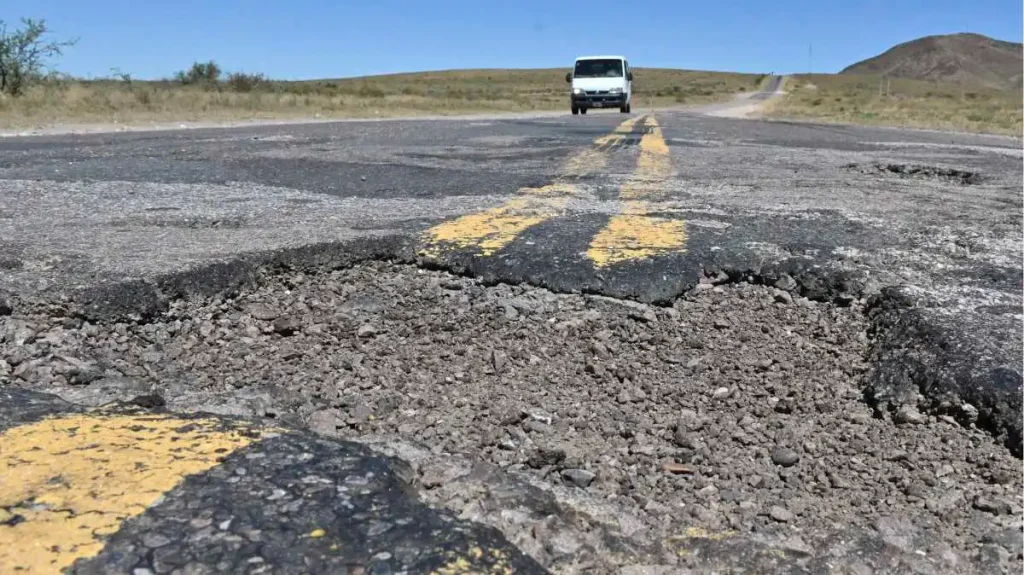
La Rioja claims that the under-execution affected routes in its territory. It cites the lack of renewal of an agreement to maintain the Ruta Nacional 76 and states that the Province allocated around ARS 900 million of its own funds to ensure its passability. It also mentions the halted work in the Quebrada de Santo Domingo and deteriorations on national routes 78, 79 and 141.
The legal debate must determine whether the placements were a temporary administration of resources or a permanent diversion from their legal purpose. The mere existence of financial investments does not resolve this issue: it will be necessary to examine the trust framework, the terms, the administrative instructions, the availability of funds, and the specific obligations of road execution.
In addition to requesting its incorporation as a party, the Rioja government demanded the safeguarding of files, emails, accounting records, bank transactions, and instructions related to the operations. The measure seeks to prevent the loss of evidence, but it does not imply that the Justice system has validated the accusation. The case remains in an initial stage, and responsibilities will have to be established with evidence and the right to defense.