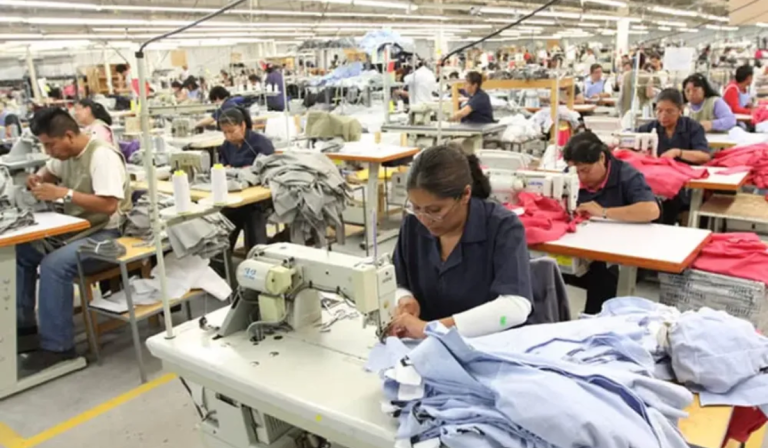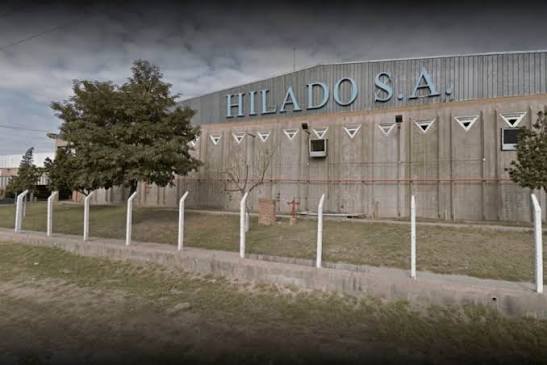
Hilado S. A. permanently closed its clothing plant in La Rioja after a deterioration that reduced the workforce from 140 workers at the beginning of 2025 to 58 in the final stage. The decision had been communicated on December 15 and set the loss of the remaining jobs for January 2026, an outcome that completely reversed the expansion plan with which the factory had started the previous year.
The company was then preparing to set up a new industrial hall and equip it with the capacity for up to 500 jobs. This expansion did not come into operation. The fall in consumption and the paralysis of part of the textile activity modified the scenario before investment could be transformed into production and employment, while the gradual reduction of personnel anticipated the impossibility of sustaining the projected structure.
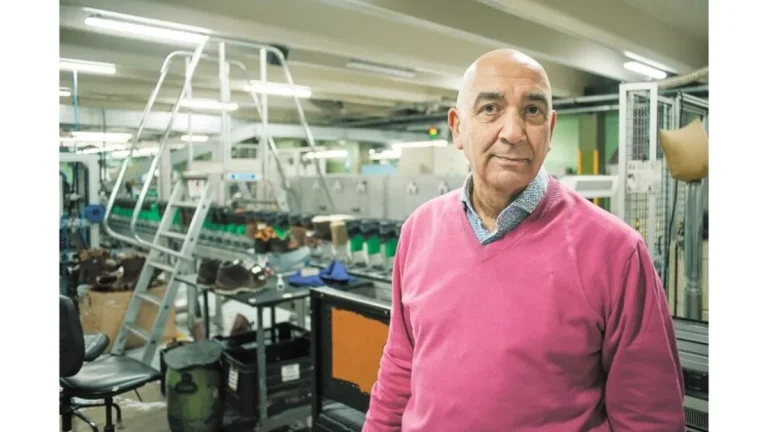
Gustavo Castro, delegate of Sindicato de Trabajadores de la Confección, linked the closure to a sectoral recession of at least two years. The decisive point was the loss of orders from important clothing brands: without those orders, the plant no longer had the volume necessary to keep its lines active. The closure did not respond to a single sudden cut, but to a contraction that had already eliminated more than half of the staff.
The situation of those who retained their position until the end was subject to the payment of legal compensation. Hilado is part of the TN Plates group, which undertook to meet these obligations. This promise separates the plant closure, already defined, from the individual financial settlement of each employment relationship, which must be materialized through the corresponding settlements for the affected families.
The union located the case within a broader textile crisis and pointed out three factors: increased imports, loss of purchasing power of wages and competition from foreign products at lower prices. It also estimated that since 2020 more than 500 workers in the sector have lost their jobs in La Rioja. The figure makes the closure of Hilado another episode of an accumulated provincial contraction, not an isolated conflict.
The next steps no longer involve opening the industrial hall that had been planned, but rather completing the compensation and formalizing the exit of the final workforce. The difference between the 60 jobs announced and the 58 workers mentioned by the delegate reflects the approximate nature of the public count; It does not alter the central fact: a factory that planned to grow to 500 positions ended up ceasing its activity after a sustained reduction.