The Government of La Rioja formalized the Plan Quinquenal para el Desarrollo Minero 2026-2030 and defined the activity as one of the pillars of its economic strategy. The proposal aims to expand exploration, attract capital, and link the province with the global demand for critical minerals. The announcement opens a stage of planning; it does not mean that the entire surface involved is in production or that investments are guaranteed.
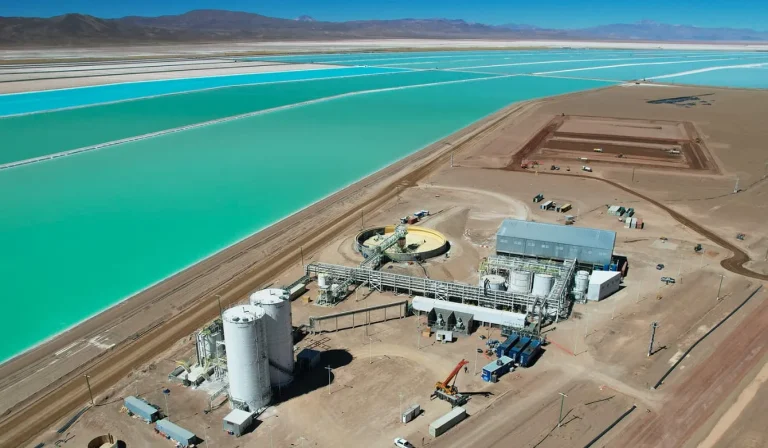
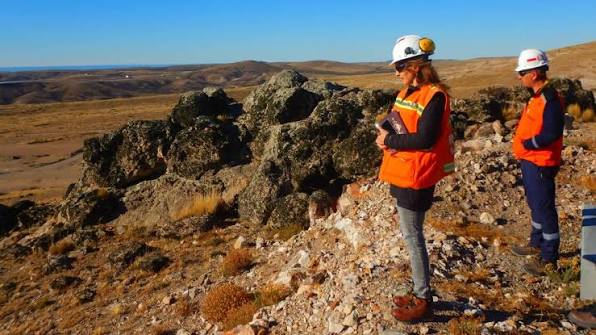
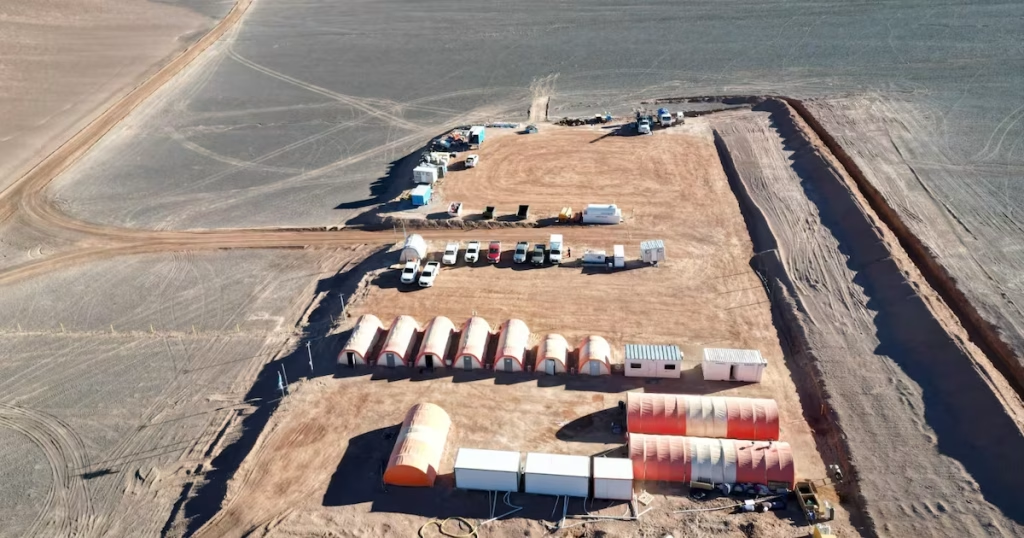
Copper and lithium are at the center of the program due to their use in batteries, electric vehicles, grids, and renewable energies. The document projects advancing over 566.180 hectares in prospecting and 64.681 hectares in initial exploration, distributed across different departments and associated with private initiatives, EMSE and Kallpa. Together they exceed 630.000 hectares, but correspond to two distinct early phases.
The plan proposes to coordinate the provincial government with universities, companies, Consejo Federal de Inversiones, and community organizations. Its objectives include qualified employment, local suppliers, industrialization, and infrastructure. The promise addresses a structural difficulty of La Rioja: expanding formal private employment and diversifying an economy with a strong state presence. The results will depend on specific projects and how their benefits are distributed.
Water appears as the most sensitive point. The Government proposes strategic environmental assessments, water inventories in mining areas, continuous monitoring of consumption, and reuse and recirculation systems. It also proposes digital infrastructure to strengthen controls. These instruments are formulated in the plan, but their effectiveness must be verified through public data, supervision, and institutional capacity in each project.
The strategy incorporates permanent information, audiences, departmental boards, and participatory environmental monitoring. The goal is to build social license, understood as community support for the development of projects. The formal existence of participation mechanisms alone does not guarantee consensus: water scarcity, a history of conflict, and the protection of mountain ecosystems keep the provincial discussion open.
The next period should show which areas advance from prospecting to exploration, which companies commit funds, and how water and participation controls work. The plan sets a political priority until 2030 and offers an institutional design to accompany it. The decisive test will be to transform that roadmap into employment, investment, and transparency without treating social acceptance as an already achieved outcome.