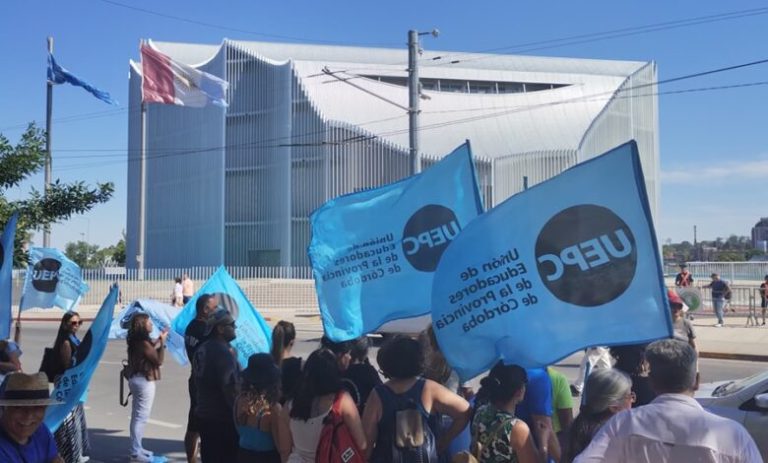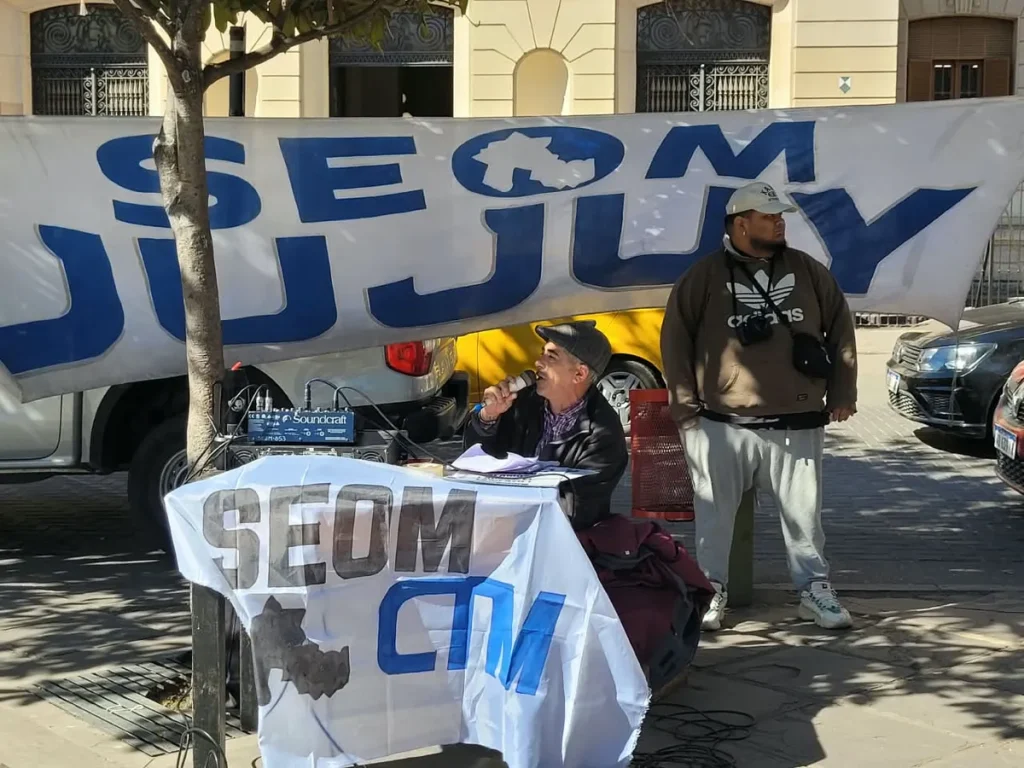
Jujuy's Municipal Employees and Workers Union rejected the proposed staggered 6% pay rise and warned that the scheme seeks to close collective bargaining until the next annual cycle. SEOM held an open-air radio event in Plaza Belgrano and said around 24,000 families depend on wages that remain below living costs. The dispute combines pay, job stability and inequalities between the capital and interior municipalities.
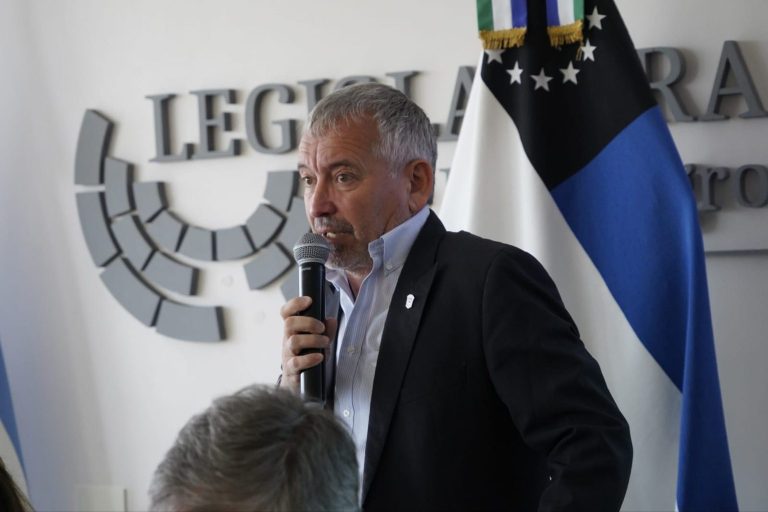
Secretary General Sebastián López said the provincial offer guarantees neither an immediate recovery nor a clear date for reaching the announced one-million-peso floor. In his reading, instalments would run through year-end and the government would avoid reopening negotiations before February 2027. The union fears inflation will erode each payment before the schedule is complete.
The union demands a starting salary of ARS 1.6 million, using a household basic basket as reference. López argued that small percentages are insufficient for the lowest earners and also deepen distortions between categories. When increases are calculated on depressed basic salaries, senior or more responsible workers receive limited differentials, and many employees must seek a second job.
The claim goes beyond the percentage. SEOM called for an urgent meeting of the Provincial Municipal Employment Council, bringing together mayors, the provincial government and the union. It wants a common policy for municipalities because pay and administrative conditions differ sharply between San Salvador de Jujuy and interior towns.
Without that body, responsibility is passed back and forth. The union says mayors blame provincial budget constraints, while the provincial executive leaves decisions on permanent appointments, category upgrades and formalisation of salary supplements to each municipality. Files remain stalled, and workers cannot identify an authority willing to resolve the claims as a whole.
Pending issues include stability for day labourers and contract employees, regularisation of supplements and recognition of work actually performed. The union says precarious employment is concentrated in the interior, where some workers have years of service without full incorporation. It therefore plans bills in the provincial legislature to establish stability rules and reduce municipal discretion.
SEOM will wait for the final legal instrument implementing the increase before deciding its action plan. If it confirms 6% without a review clause, the union will hold province-wide assemblies and resume marches and open radio events. Its strategy combines street pressure, institutional negotiation and legislative work to prevent bargaining from being closed for several months.
The next move belongs to Jujuy's government: it may formalise the offer unchanged, improve the instalments or open a specific municipal employment table. For SEOM, the decisive issue is not only the next pay cheque but whether salaries and conditions can be reviewed during the year. Without that guarantee, the increase will be treated as an early closure of negotiations affecting thousands of households.