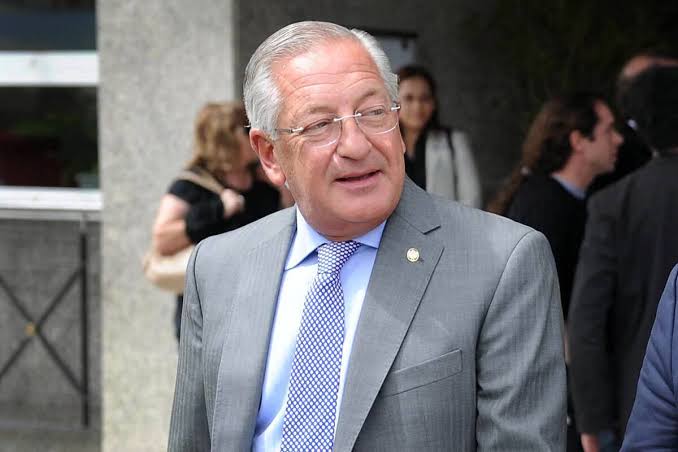
Eduardo Fellner returned to Jujuy's public debate with a diagnosis combining the Justicialist Party's internal crisis, the need to rebuild a provincial proposal and criticism of the federal government. The former governor placed himself on the list linked to Rubén Rivarola but avoided presenting his role as a personal leadership battle, saying he is willing to help without becoming the exclusive figure.
His main criticism concerns how the PJ's internal process was managed. He said both the intervention of the federal judiciary and the national party leadership were mistaken and argued that all sectors should have been called to seek an agreement. Fellner said he spoke with Rivarola and Senator Carolina Moisés and demanded collective self-criticism: fragmentation cannot be blamed only on outsiders.
For the former governor, competition should not mean destroying an internal rival. Jujuy Peronism can still contest the governorship if it resolves differences and builds a recognizable proposal. That possibility depends on a pending court ruling but also on the party's ability to establish rules, recognize territorial representation and prevent the internal struggle from consuming the energy needed to challenge the provincial government.
Fellner also discussed the case involving alleged diversion of housing funds. He said he and indicted mayors received a complete and final dismissal in March and maintained that he was politically persecuted. He described damage to his health, family, property and work and said he is considering, but has not decided on, a damages lawsuit.
At the national level, he said he participates in talks on production, economics and sovereignty to prepare a contemporary Justicialist platform. He mentioned discussions with Diego Bossio, called for recognition of past mistakes and attention to young people's demands. Regarding Axel Kicillof, he said the governor still needs agreements and territorial presence before turning national visibility into a consolidated candidacy.
The former governor criticized Javier Milei's political style and the use of federal resources to reward or punish provinces according to their lawmakers' behavior. He identified lower-income sectors as the most affected and defended PASO primaries as a way to organize competition. He rejected cost as sufficient reason for suspending them and noted that separate elections also generate public expense.
On Jujuy, he challenged the argument that shrinking the state is the answer and said the current administration has more employees and officials. He defended public works for generating jobs, investment and regional links and recalled projects financed through federal and international negotiations. Given limited local resources, he proposed negotiating contributions from mining firms that use roads, pipelines, electricity and Pacific routes.
Fellner sees mining as a future productive axis but conditions that role on environmental control and benefits reaching the population. He applies a similar test to state companies: they may be necessary where private actors do not perform a function, but they must provide economic and political accounts. The next test is whether that program can help unify the PJ and become a provincial proposal beyond Fellner himself.