Argentina's sports footwear industry is going through a retreat that no longer looks like a temporary fluctuation, but rather like a change in the production model. Major international brands are reducing their local manufacturing exposure and prioritizing supply schemes based on imports, production in neighboring countries, or Asian chains.
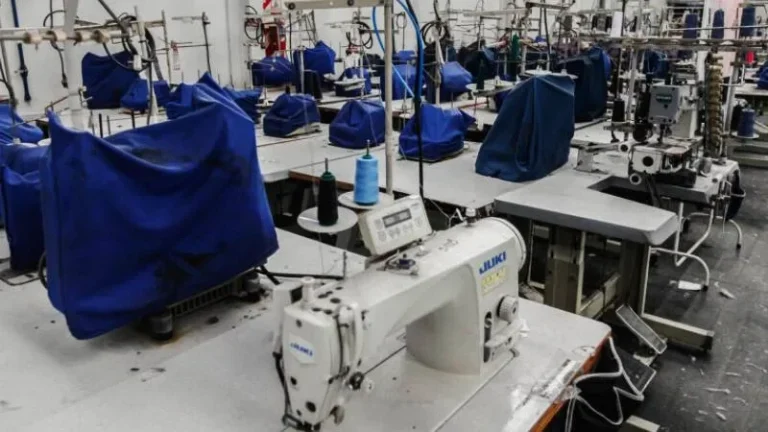
The shift is hitting especially hard the manufacturers that for years sustained production for global firms. Grupo Dass stands at the center of this reconfiguration: after the closure of its Coronel Suárez plant, part of the machinery was relocated and local activity was concentrated in much smaller structures. In Eldorado, Misiones, a plant that once employed around 1,700 workers now operates with just over 170.
The deterioration is explained by a combination of production costs, import liberalization, weaker domestic consumption, and lower order volumes. For brands, maintaining commercial presence through imported finished goods is more profitable than sustaining a local manufacturing chain exposed to higher energy, labor, and tax costs.
The labor impact is one of the most sensitive points in the process. The sector has accumulated an activity decline of around 22% this year, and more than 100 factories are estimated to have closed across the country. In that context, unions warn that plants are operating at only a fraction of installed capacity and that employment continuity depends on increasingly scarce orders.
The paradox is that the rise in imports has not yet translated into clear relief for consumers. In the international-brand sports footwear segment, local prices remain among the highest in the region, even above benchmarks in neighboring markets. So far, the supply shift appears to improve corporate margins more than broaden access to the product.
For the Argentine Footwear Industry Federation, the second half of 2026 points to minimal activity, workshop closures, and no visible recovery. The sector is operating at around 30% of installed capacity, a threshold that exposes the fragility of small and medium-sized suppliers and manufacturing hubs that depended on contracts with international brands.
The debate goes beyond sports footwear. What is at stake is whether Argentina will retain manufacturing capabilities in labor-intensive sectors or consolidate itself as a consumer market supplied from abroad. In that tension, “made in Argentina” is no longer only an industrial slogan; it is the symptom of an unresolved dispute over costs, production policy, and work.