The latest labor indicators for the Jujuy-Palpalá area have opened a debate over the gap between headline unemployment and the actual quality of work. For the second quarter of 2026, INDEC estimated unemployment at 3.4%, or at least 6,000 people. The same survey found 30,000 people who already have jobs but are actively seeking another position, suggesting dissatisfaction with income, hours or conditions.
The official report also counted 11,000 underemployed workers: people working fewer than 35 hours a week involuntarily and wishing to work more. This category captures a dimension absent from the unemployment rate, because a person can be classified as employed even without sufficient hours. Together, additional job seeking and underemployment show greater labor pressure than the 3.4% headline figure.
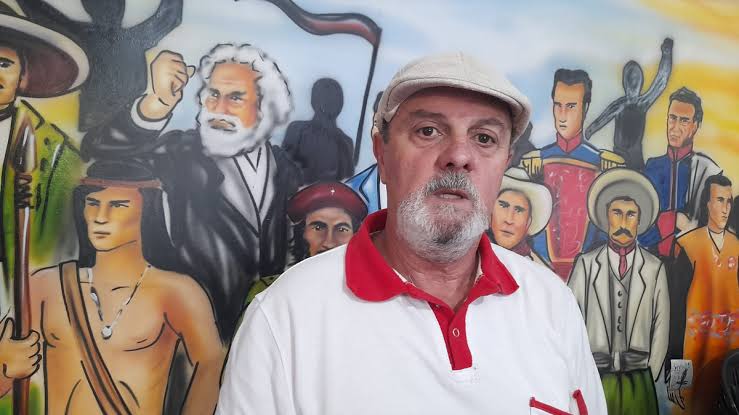
Hebert Lima of the Popular Participation Space questioned whether official indicators match conditions observed in neighborhoods and provincial activities. He challenged both the provincial statistics office and the ability of unemployment data to reflect the scale of informality. His view does not replace public statistics, but raises the question of which forms of precarious work remain hidden within the broad category of employment.
Lima says a significant share of Jujuy's economy depends on informal jobs or unstable simplified-tax arrangements. Such work may lack continuity, paid leave, pension contributions, severance and health insurance. He estimates that informal workers earn 40% less on average than formal employees, whose wages he also describes as low. This gap increases vulnerability to any decline in activity or illness.
Lack of health coverage also affects the public system. Workers without insurance rely on state hospitals and clinics, transferring labor precariousness into greater demand for provincial services. The issue therefore goes beyond individual income: it reduces pension contributions, weakens protection against dismissal and concentrates more needs in institutions serving people without coverage.
The social leader attributes informality to a lack of sustained productive-development policies and insufficient inspections. He cited gastronomy, hotels and mining, calling for labor controls and more local processing of extracted resources. His proposal is for mining to add industrial stages within Jujuy to create formal employment. No specific projects or responses from companies or the provincial government were reported.
The labor discussion was also connected to food assistance. Lima said his organization had to close three soup kitchens and snack centers in Palpalá because state support was unavailable. These spaces formed a subsistence network for families with unstable income, so their closure combines less community capacity with greater exposure for households dependent on informal or insufficient work.
The next debate must distinguish and connect three levels: open unemployment measured by INDEC, the pressure from people seeking more work, and informal employment without full protection. Official figures measure unemployment and underemployment, while organizations seek better data on quality and income. A provincial response will depend on inspections, productive policy, coverage and social assistance for workers moving between precarious jobs and weakened community networks.