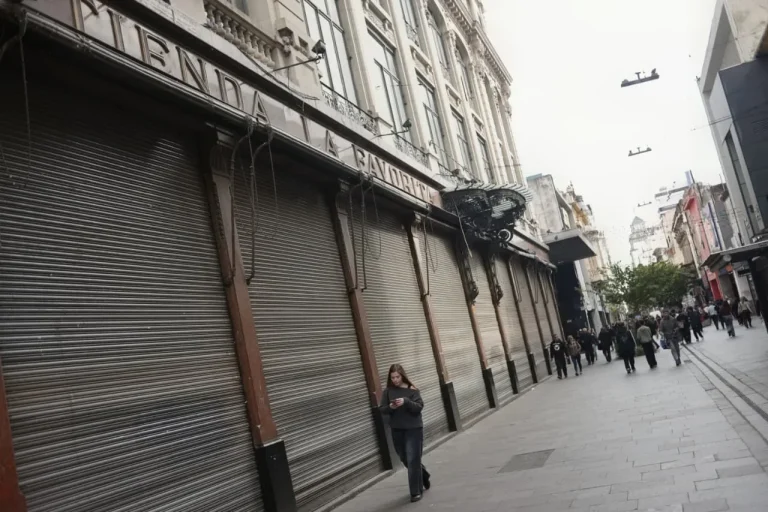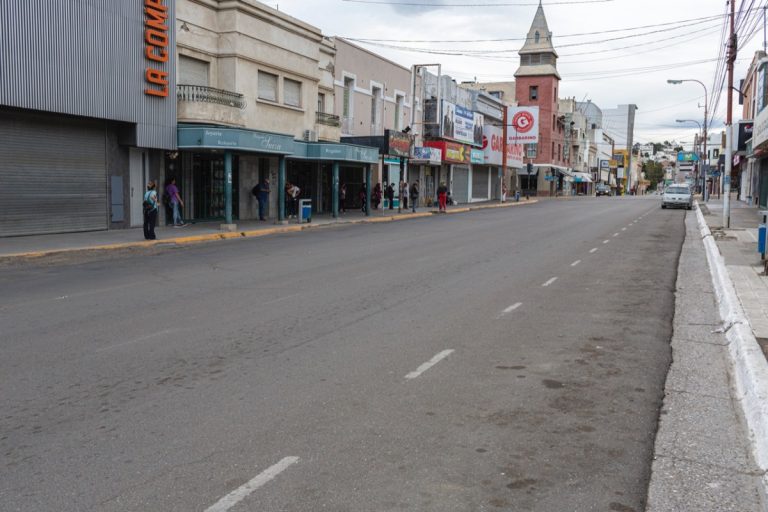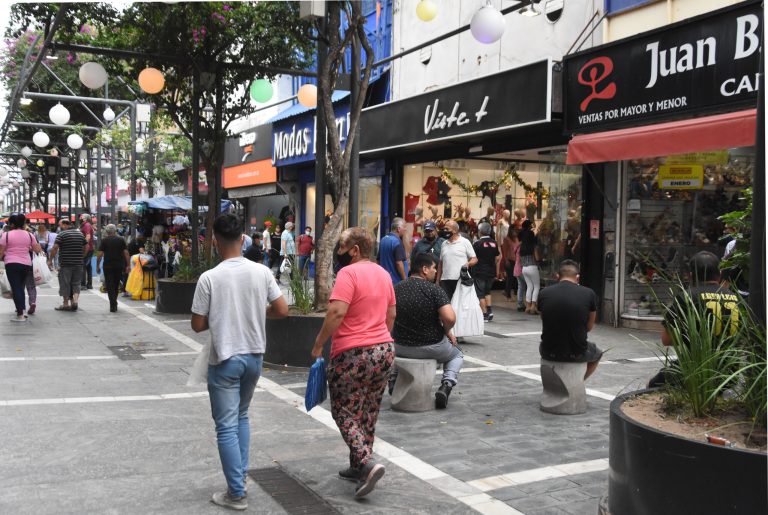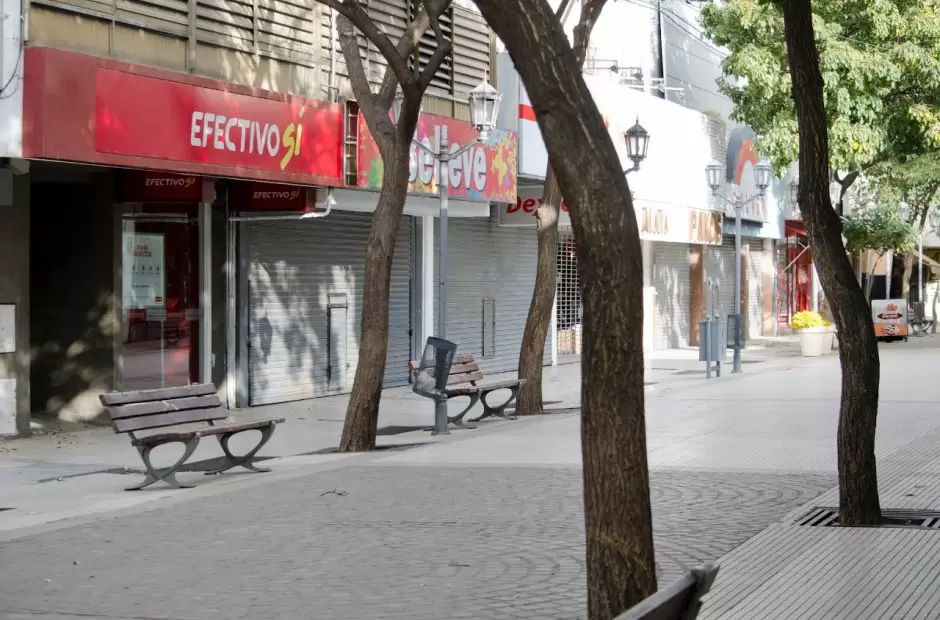
The downtown area of San Fernando del Valle de Catamarca is accumulating closed stores, especially in Peatonal Rivadavia and the surroundings of Plaza 25 de Mayo. The succession of lowered shutters triggered a discussion about consumption, the costs of formal commerce, and the growth of fairs. Although testimonies speak of numerous closures, there is no consolidated figure in the available information that measures their quantity.
Rents are among the most difficult expenses to sustain. Merchants placed the cost of a small downtown store between two and six million pesos per month, while electricity and water bills can exceed half a million pesos. Added to that are taxes, permits, and wages. The combination raises the sales threshold necessary to keep a business open.
The change in shopping worsens that equation. Families prioritize food and essential goods, reducing the demand for clothing, jewelry, and other deferrable products. A merchant with more than two decades on the pedestrian street explained that special dates still generate activity, while a bazaar vendor described days of high demand thanks to small, low-priced items. The crisis, therefore, affects sectors unevenly.
The expansion of fairs concentrates part of the controversy. The authorized businesses question tax and cost differences, but some of their own representatives acknowledge that the fair vendors also pay to work, sell outdoors, and engage in that activity as a source of family income. The dispute does not simply pit viable businesses against vendors without expenses: it brings together models with different obligations and vulnerabilities.
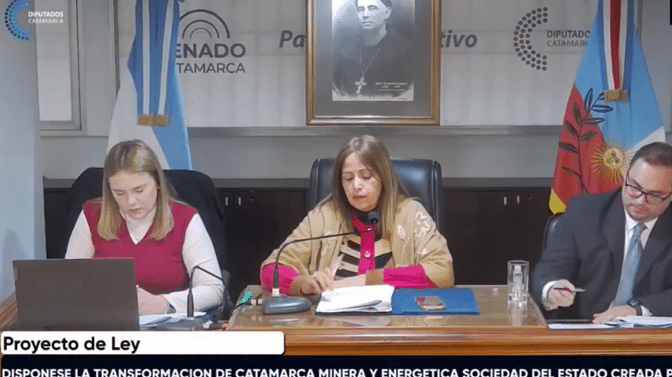
The debate reached the Deliberative Council. Eleonora Sopaga, from La Libertad Avanza, questioned the municipal rejection of a project to digitize procedures and permits for market vendors. He also attributed complaints from entrepreneurs regarding mistreatment and charges of 10.000 pesos per month to retain spots in the Plaza 25 de Mayo. These are political and testimonial accusations that require an institutional response before being considered proven.
Diego Figueroa suggested that a vacant property can also open up an opportunity for another activity and cited the replacement of an ice cream shop with a bakery. That possibility does not eliminate the previous loss nor does it demonstrate a general recovery. The next verifiable result should come from a survey of occupied and vacant premises, along with transparent rules for fairs and licenses. Until then, the crisis is measured by visible signs and testimonies, not by a closed statistic.