The Administrative Litigation Chamber in Mar del Plata suspended the injunction that had blocked the latest electricity-rate adjustment in Buenos Aires Province. The ruling followed an appeal by Axel Kicillof's government and allowed EDEN, EDEA, EDES and EDELAP to apply increases ranging from 1.5% to 3.5%. Around 1.5 million users are affected, and rates originally authorized from August can now take effect.
The case did not end with that decision. The Chamber did not determine whether the provincial procedure was lawful; it only lifted the restriction while the merits remain under review. The original injunction followed a filing by Ombudsman Guido Lorenzino, who argued that the new rates were approved without a renewed public hearing or sufficient mechanisms for user participation.
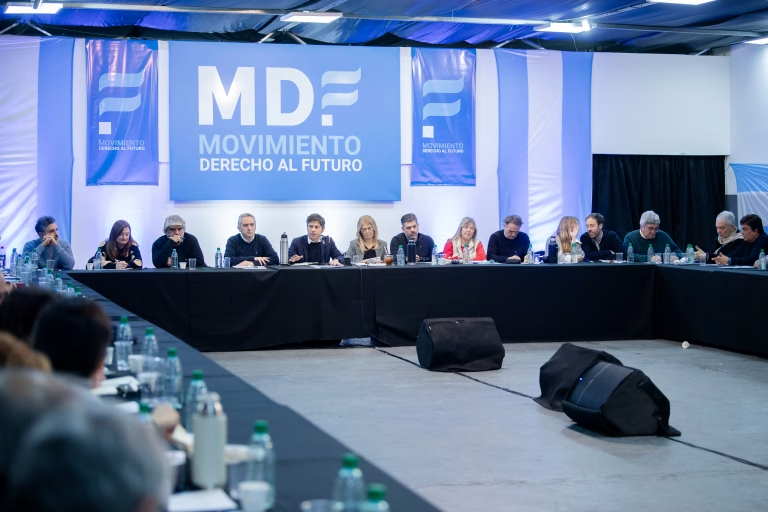
The appeal turned a regulatory dispute into a political conflict both inside and outside the ruling coalition. Mayra Mendoza, a provincial lawmaker from La Cámpora, publicly expressed surprise at the executive's move. Radical Civic Union deputy Diego Garciarena directly blamed the provincial administration for appealing the injunction and obtaining authorization for the increase.
The province replied that a decisive part of the bill does not depend on provincial tariff policy. It attributed the rise to federal subsidy cuts and higher generation and transmission costs, components that it says account for about 40% of the total and must be passed through automatically. It also warned that freezing rates would disrupt the payment chain and threaten maintenance, investment and labor and contractual obligations.
Administratively, the executive defended the tariff-transition scheme approved by law and said current values remain below those contemplated in the previous Comprehensive Tariff Review. It argued that citizen participation will be guaranteed at a public hearing scheduled for December 2026, when the process enters its final stage toward a new review. Critics focus precisely on that sequence and ask why the increase comes before the hearing.
Bill comparisons show that the controversy is not abstract. For a household using 300 kWh a month without subsidies, July bills reached 83,818 pesos for EDES, 80,815 for EDEN, 72,299 for EDEA and 63,165 for EDELAP. EDENOR and EDESUR stood at 50,300 and 49,859, while Córdoba recorded 83,307 and Mendoza 93,520. Even with subsidies, EDES and EDEN remained well above the metropolitan distributors.
Another dispute concerns the conduct of the State Attorney's Office. The executive said it had to appeal to avoid accepting that the tariff resolution was improper, but critics cited a 2014 case in which the provincial office accepted a precautionary order. They also pointed to similarities between the province's arguments and those of the utilities and criticized the nominal social-tariff benefit for remaining frozen as bill components increased.
The next chapter will unfold in two arenas. The courts must rule on the legality of the procedure, while the province must explain in December the cost structure, adjustment criteria and actual scope of social protection. Until then, the increase can be applied, but it remains challenged through legal arguments, price comparisons and a political dispute that also divides Buenos Aires Peronism.