The Justice and Budget and Finance committees of the Chamber of Deputies issued opposing reports on the future of the Federal Court of Appeals of Comandante Luis Piedra Buena. The debate revolved around a bill to repeal Ley 27.154, passed in 2015, which created the court but did not manage to make it operational for eleven years.
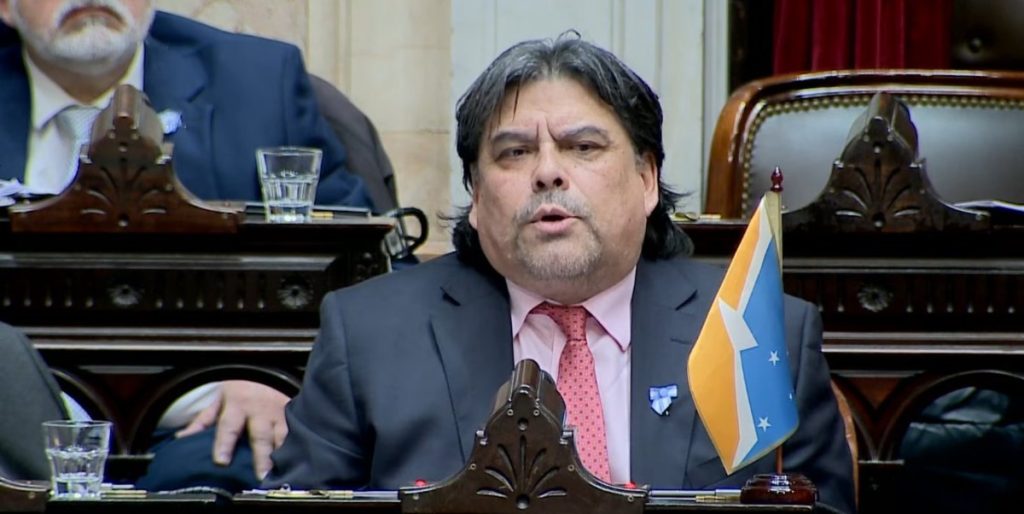
The repeal initiative was promoted by the Santa Cruz deputy José Luis Garrido through the file 2331-D-2026. The legislator argued that maintaining a budgeted but non-operational structure does not constitute a responsible use of funds, and proposed reallocating those resources to judicial departments that already have concrete needs.
The sector opposed to the repeal gathered a majority report by a narrow margin, while the promoters of the repeal signed a minority position. The coordination to support the law included votes from different blocs and provinces. That result orders the procedure in committee, but does not equate to a sanction by the Chamber nor makes the continuity of the court irreversible.
Juan Carlos Molina and Jorge Araujo Hernández defended the creation as a tool for access to Justice for Southern Patagonia. They argued that using the low population density to remove institutions would systematically harm the region. They also suggested that an alternative site could be considered in Río Gallegos or Ushuaia without changing the planned jurisdiction.
Deputy Ana María Ianni added that the operation would be funded with national allocations from Consejo de la Magistratura and not with provincial resources for health or education. The Chamber was designed to review cases from federal courts in Santa Cruz and Tierra del Fuego; while it is not enabled, those appeals continue under the Federal Chamber of Comodoro Rivadavia.
The discussion remains open. To repeal the Ley 27.154 requires the approval of the chamber and the continuation of the parliamentary process; to make the court function, administrative decisions, budget, and infrastructure are also needed. The majority report blocked the elimination in the committee stage, but it does not constitute the definitive legal shield that some political interpretations attributed to the legislative agreement finally reached.