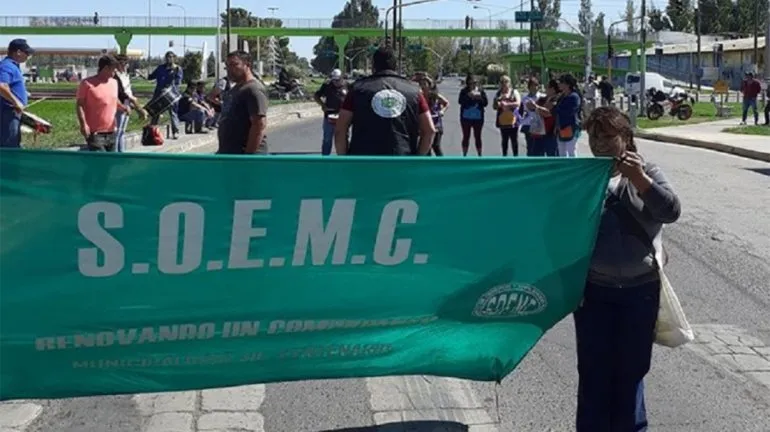
The Municipalidad de Centenario upheld the dismissal of four employees after mandatory conciliation with the Sindicato de Obreros y Empleados Municipales de Centenario ended without agreement at the Subsecretaría de Trabajo de Neuquén. The employees had been dismissed in early May following administrative proceedings over prolonged absences. Mayor Esteban Cimolai's administration said it would not reverse the decision, while the dispute now moves toward administrative or judicial review.
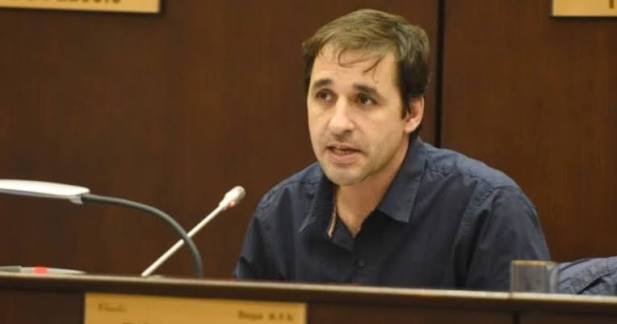
SOEMC was represented at the hearing by its lawyer Federico Egea and union officials Vanesa Yevenes, Horacio Juárez and Gustavo Herrera. Human Resources Undersecretary Mariano Brage represented the municipality. The official record stated that the parties had no prospect of reaching an agreement. After conciliation was exhausted, the union requested freedom to act, which allows it to organize new industrial action following the failure of the formal process.
The union particularly challenges two of the four dismissals because it says the employees were union delegates. SOEMC argues that the municipality first had to obtain a legal order removing their statutory union protection before terminating them. It also raised complaints of workplace violence that, it says, received neither a response nor preventive measures. Those arguments form part of the union challenge and do not yet amount to a court ruling on the validity of the dismissals.
The municipal administration presented the opposite account. It said all four cases followed disciplinary proceedings in which the employees' right to defend themselves was guaranteed, including opportunities to submit statements, evidence and personal, family, social or health circumstances. According to the municipality, none of that material justified the prolonged absences or rebutted the alleged breaches. It also said the dismissals may be reviewed through the appropriate administrative and judicial channels.
The conflict also produced changes in the Agua y Saneamiento department. Cimolai accepted the responsible secretary's resignation on health grounds and temporarily took charge until a replacement is appointed, partially addressing union demands. A disciplinary investigation against the department's undersecretary also moved forward. Those decisions changed the leadership but not the central dispute: the municipality maintained all four dismissals and the union refused to close its claim without reinstatement.
The administration cited its wage policy in its defense, stating that between January 2024 and April 2026 municipal salaries rose 410,68%, compared with accumulated inflation of 271,43%. It presented the gap of more than 139 percentage points as a recovery in purchasing power, but that comparison does not by itself determine whether the dismissals were lawful. The next verifiable outcome will come from possible union action and administrative or judicial review, where the absence proceedings will be weighed against the statutory protection claimed for two workers.