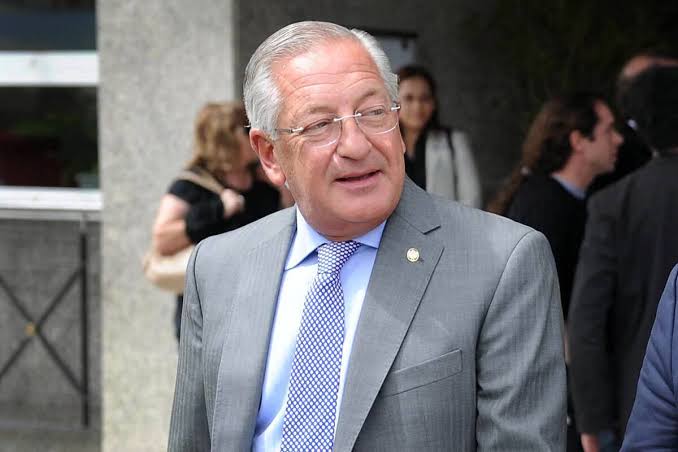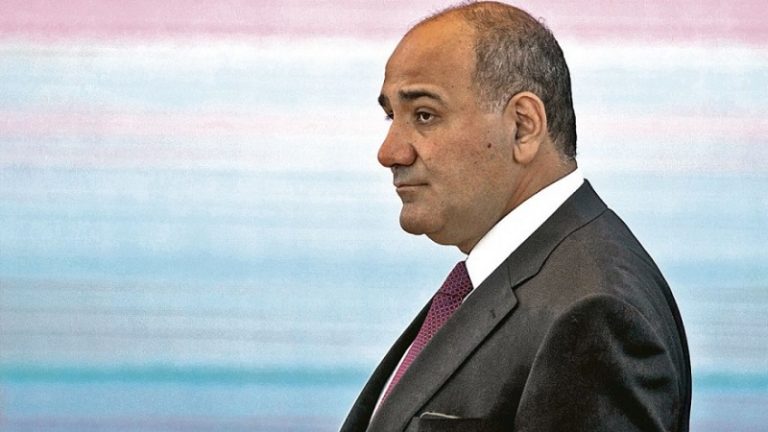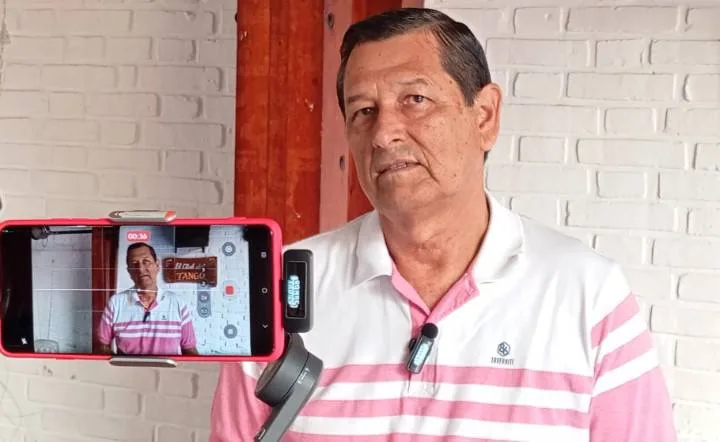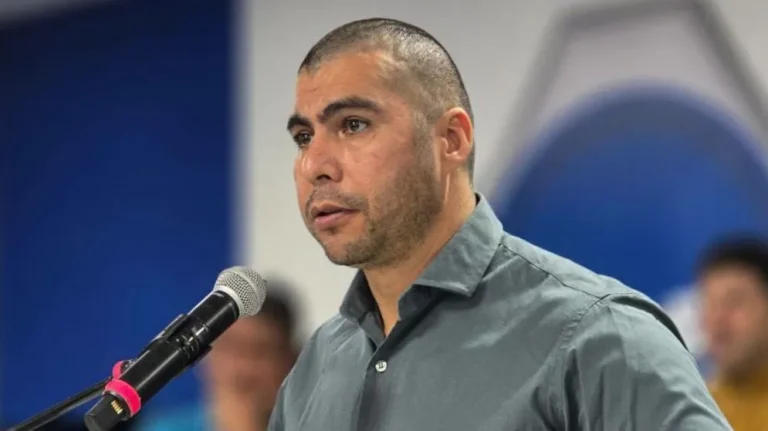
Neuquén's PRO is preparing a two-level strategy for the 2027 elections. At the provincial level it will support Rolando Figueroa's reelection through a parallel list inside La Neuquinidad, but in the capital it does not want to be subordinated to Mayor Mariano Gaido's organization. The internal debate must decide whether to field its own candidate or join Leandro López's municipal project.
The distance from Gaido predates the provincial alliance. The PRO grew around Horacio “Pechi” Quiroga, a four-term city mayor and historic opponent of the Popular Neuquén Movement. In 2023 the party backed Juan Peláez within the Neuquinizate front, but Gaido won 45.77% and secured a second term. That result still shapes the yellow party's opposition identity in the capital.
Its relationship with Figueroa, by contrast, has consolidated. In the 2023 provincial election, the PRO contributed 17,235 votes, or 4.14%, and won four legislative seats held by Marcelo Bermúdez, Damián Canuto, Mercedes Tulián and Verónica Lichter. Party president Leticia Esteves also serves as tourism, environment and natural-resources minister. That integration explains why the governor's reelection is not disputed.
The problem emerges when the provincial alliance reaches the municipality. A minority argues that if Gaido maintains an agreement with Figueroa, opposing him makes little sense. The majority says the Primero Neuquén model does not represent the center-right principles of austerity and transparency the PRO wants to reclaim. Local competition would therefore set a boundary on full integration.
Leandro López is emerging as the possible convergence candidate. He heads the provincial Investment Agency, was a PRO leader and created Arriba Neuquén in 2022, another La Neuquinidad party. He has launched a mayoral bid and says Figueroa respects his right to compete outside Gaido's structure. His argument is that provincial unity can coexist with separate municipal lists.
López is talking with PRO figures and Nuevo Compromiso Neuquino, the successor structure to Juntos por el Cambio without the UCR. He says there is affinity and willingness to work together, although formal definitions are pending. He is also considering candidates in Centenario and the Lakes region, where liberal and center-right forces often perform well.
The opposition map is further fragmented because the UCR is moving toward an alliance with Cumplir, which has already named businessman Nicolás Vaamonde as its capital candidate. If the PRO and López create another ticket, Gaido will face several opposition lists sharing criticisms but competing for similar voters. Dispersion could broaden choice or facilitate municipal continuity.
The next step is an organic PRO decision: its own candidate, an alliance with López or an approach to Gaido. The choice must balance provincial offices, historical identity and electoral viability. The party can support Figueroa while competing against one of his municipal allies, but that geometry requires a clear explanation of where coalition loyalty ends and local autonomy begins.