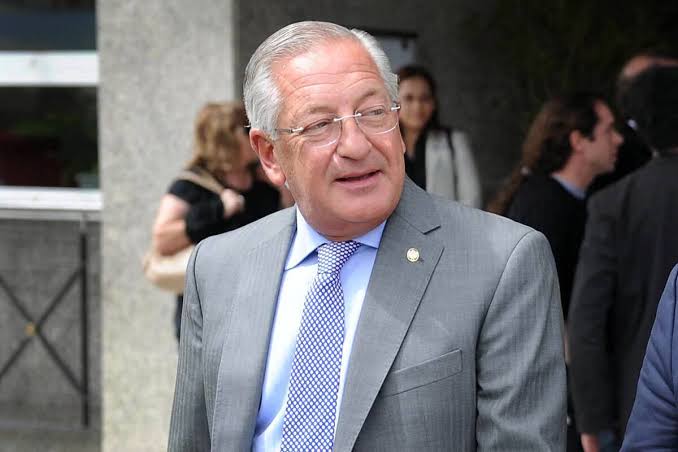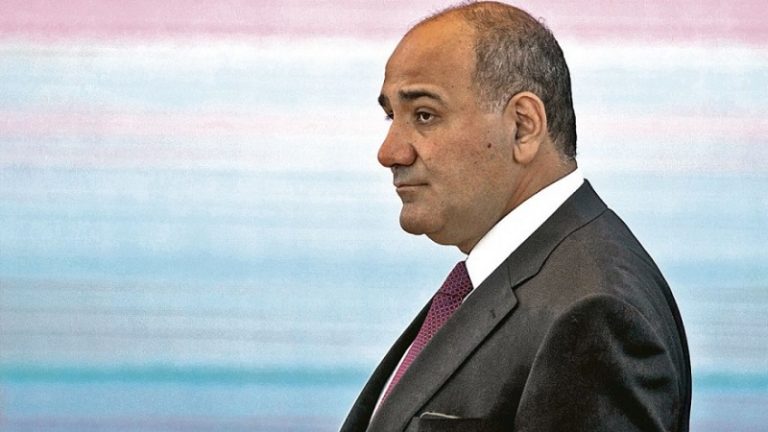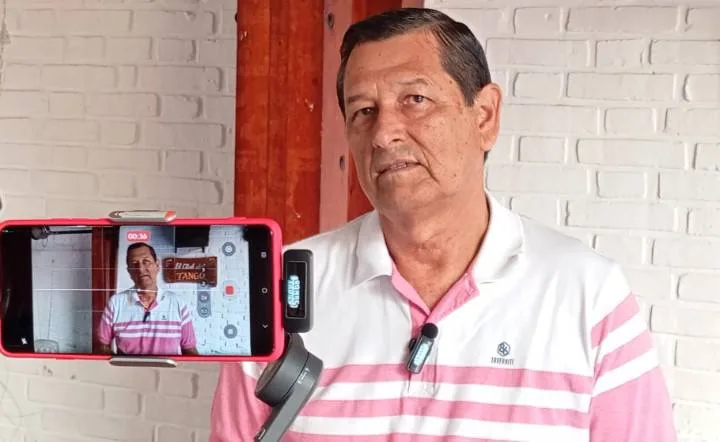
The Justicialist Party of Chaco launched its 2027 calendar by calling open primaries for July 4. The decision creates a party-run mechanism after the suspension of provincial PASO elections and offers a way to organize candidacies among Peronists and other forces seeking to join an opposition front. Party leaders, however, see the primary as a final guarantee rather than the preferred political outcome.
PJ secretary general Juan Manuel Pedrini summarized the priority as working toward a single list. Unity is intended to prevent internal competition from weakening the coalition before it challenges Governor Leandro Zdero. The idea is not to suppress ambitions but to move them into negotiations where each sector demonstrates territorial strength and bargains for representation without necessarily reaching a vote.
July 4 was also chosen for climatic reasons. El Niño forecasts anticipate intense rainfall and possible river rises in March and April, when a primary could overlap with emergencies and transport difficulties. Pedrini argued that politics cannot ignore those conditions and defended a timetable that moves candidate selection away from the riskiest months.
The next task is drafting the electoral rules. They must define deadlines for filing lists, endorsement requirements, vote thresholds and how minority groups will be represented in final tickets. These are not merely administrative details: they determine how much space smaller factions receive, the cost of competing and whether the system encourages broad synthesis or entrenches dominant structures.
Participation will not be limited to PJ members. The Council plans to include members of allied parties and independent citizens without party affiliation. That opening reflects a wider goal: building a provincial coalition capable of contesting government, not simply resolving PJ leadership. It will require a clear voter roll and common rules for organizations with different histories.
At the same time, leaders will seek agreements municipality by municipality. The Chaco party knows that a provincial list can fail if it does not contain local disputes, legislative ambitions and the expectations of territorial organizations. The task is to measure strength without turning every district into a separate conflict, revive activism and recognize each sector's real representation.
Suspension of the PASO shifted responsibility from the provincial electoral system to the party itself. The PJ must now finance, organize and legitimize its mechanism while persuading allies and independents to join. A biased rulebook could deepen differences; credible guarantees could instead pressure sectors toward a consensus list.
The timetable leaves months for negotiation but does not remove tension. Success will depend on combining unity with legitimate competition, broadening the front without losing direction and presenting a territorially rooted alternative to Zdero. The next concrete step is approving rules accepted by most sectors; only then will it be clear whether July 4 will bring a real election or serve as a backup date for a prior agreement.