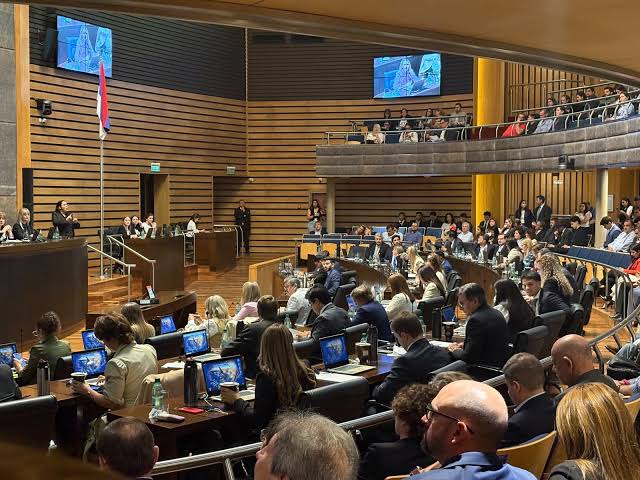
Salta's lower house approved a one-year extension of the water emergency in force since 2022 and sent the bill to the Senate. The debate lasted nearly four hours, involved about twenty-five speakers and produced only one negative vote, from José Gauffín. Broad support did not hide the concern over governing through a repeatedly renewed exception.
The government justified the extension by the potential strength of El Niño and flood risks in the Pilcomayo, Bermejo and Juramento basins. It also cited 37 urban basins with high or very high danger. Supporters say the emergency enables channel cleaning, defenses, health assistance and rapid coordination.
The regime gives the executive flexibility to reallocate funds, accelerate procurement and organize crisis response. That can be critical during floods, but it reduces ordinary oversight. The longer it lasts, the greater the duty to publish spending, contracts and results.
Government lawmakers said thousands of interventions and works are under way and argued that federal authorities excluded Salta from specific El Niño funding. The claims require precise traceability: location, amount, progress, beneficiaries and actual capacity to secure water or reduce floods.
La Libertad Avanza criticized the lack of results since 2022 but supported the extension so the government could not claim it lacked tools. Franco Lastra argued that the executive already has powers and Aguas del Norte while many communities still lack regular supply.
José Gauffín cast the only negative vote. He had supported the original emergency during the northern water crisis but sees repeated renewals as evidence of failure to build a permanent policy. He focused on missing reports and reduced procurement controls.
The real choice is not prevention versus works but their integration. Salta needs emergency capacity and multi-year infrastructure, maintenance, networks, plants, defenses and public measurements. The emergency should include annual targets and a planned exit.
The Senate must now decide on final approval. A responsible extension should require a cumulative report since 2022, a public dashboard of works and contracts, priorities for communities without safe water and a schedule for returning to ordinary administrative rules.