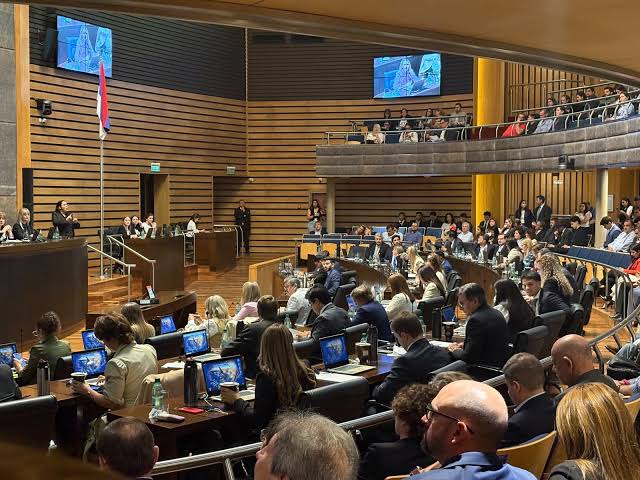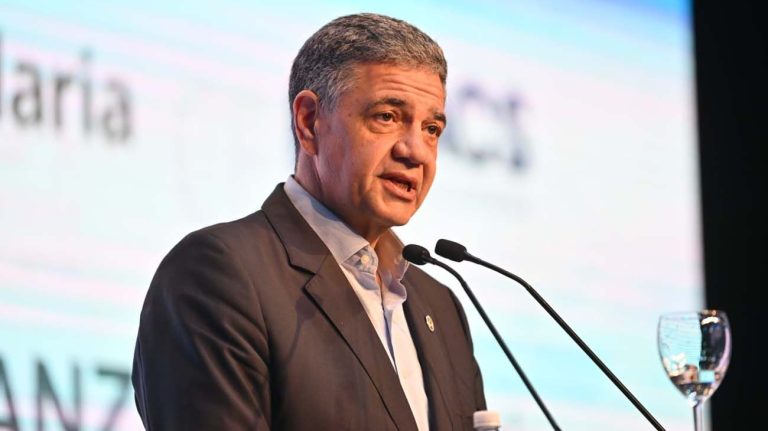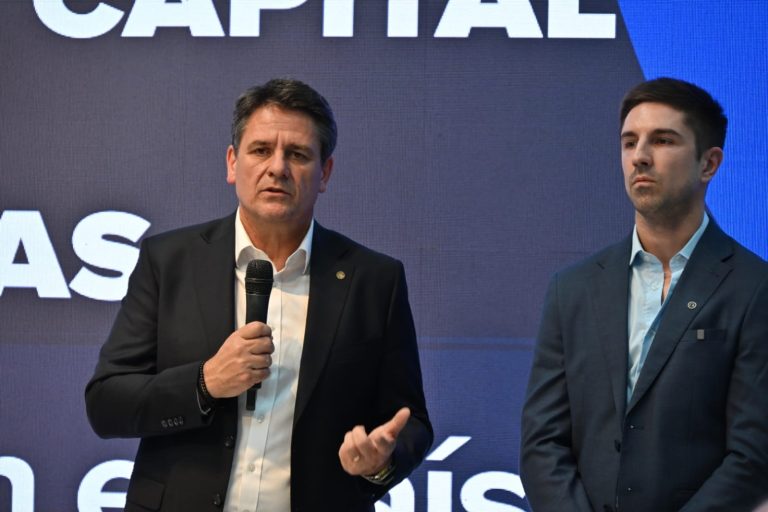
Tierra del Fuego's government called the economic teams of Ushuaia, Río Grande and Tolhuin to discuss revenue sharing and federal income amid growing confrontation. The meeting was convened by Economy Minister Alejandro Barrozo after Mayor Martín Pérez denounced financial suffocation and estimated nearly 18 billion pesos owed to Río Grande.
The city says transfers were delayed 45 to 50 days and the claimed debt grew by about 2 billion pesos in three weeks. Its Finance Department filed a formal demand and compared the amount with the annual municipal health budget. Río Grande says it is seeking its own shared revenue, not financial assistance.
Representatives of all three cities attended the November 3 meeting. The province described general resource shortages, denied discretionary distribution and presented transfers made from January through October. It argues that weaker or delayed federal revenue affects its ability to meet municipal obligations on time.
The meeting did not resolve the central issue. Río Grande later put its updated claim above 17.294 billion pesos and said no payment schedule or cancellation proposal was offered. The minutes say the ministry will reduce delays and prioritize older files if extraordinary federal resources arrive.
The accounting and political difference requires technical reconciliation. The city cites federal data and reports from provincial and municipal audit courts, while the province has its own transfer series. Without a common base showing receipt dates, legal shares, due dates and payments, the dispute will continue.
Delays affect daily services. Río Grande says they constrain water treatment, waste collection, transport, public works and municipal health. A city can manage a temporary mismatch, but delays longer than a month force postponed payments, reserve use or service reductions.
The parties agreed to a permanent table, with meetings planned for November 13 in Tolhuin and November 24 in Ushuaia. Continued dialogue prevents immediate rupture, but will reduce tension only if it produces quantified commitments, dates and automatic information.
The next step should be a public account reconciliation and normalization plan. The province must explain what it received and distributed, while municipalities use the same methodology. A schedule, early warnings and monthly publication could remove revenue sharing from permanent political conflict.