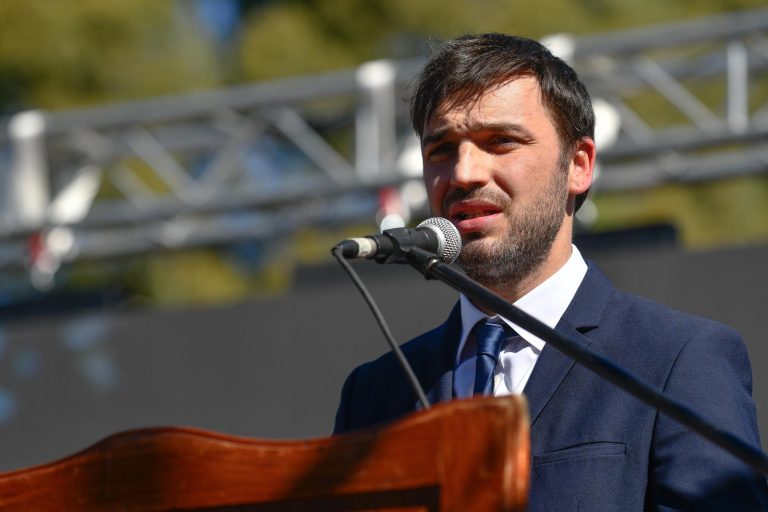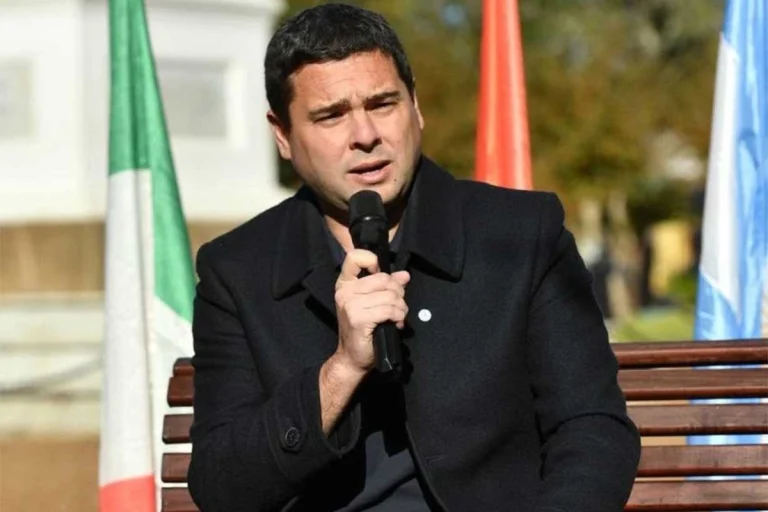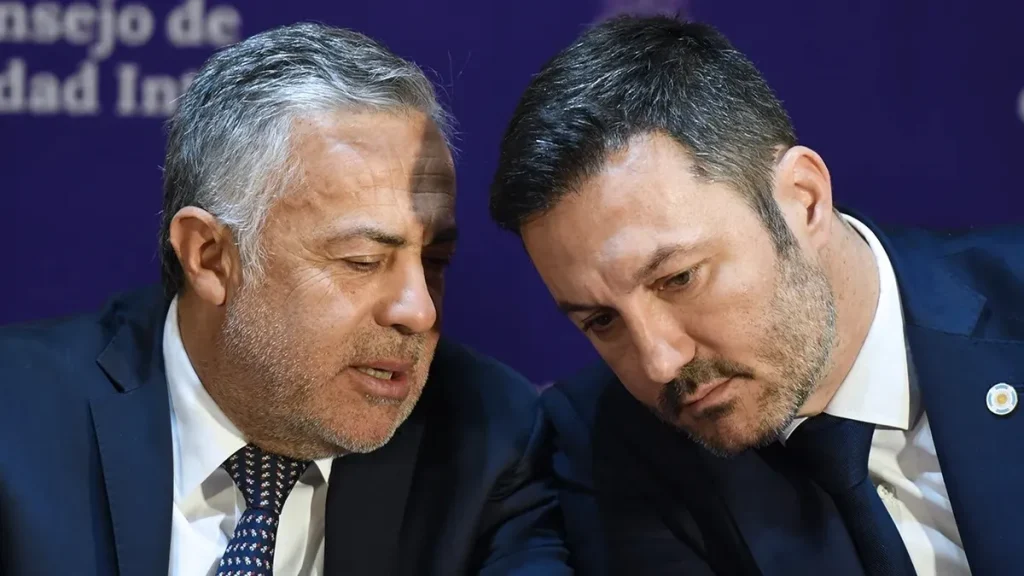
A DC Consultores poll reshaped Mendoza's succession race by placing Luis Petri at 48.3% for governor. Conducted between October 19 and 22 with 1,270 cases, it gives him a 25.5-point lead over capital mayor Ulpiano Suárez at 22.8%. Matías Stevanato follows with 12.4%, while figures close to Alfredo Cornejo remain far behind.
The uncomfortable message for the governor is that electoral support does not automatically follow the official structure. Tadeo García Zalazar has 7.6% and Natalio Mema 4.8%. Both are trusted Cornejo officials with management experience, but proximity to the provincial executive is not translating into strong voting intention.
Petri occupies a distinctive position. He comes from the Radical Party, challenged its traditional leadership, served in the national government and built an identity connected to libertarian politics. That allows him to attract both Cambia Mendoza and La Libertad Avanza voters, but makes him difficult for Cornejo to control as a successor.
The advantage does not settle the election. Polls depend on methodology, timing and the list of names. Yet a margin above twenty points forces the governing coalition to respond. Cornejo must choose between unifying behind his own candidate, negotiating with Petri or allowing primaries to expose the internal contest.
Ulpiano Suárez is the best-positioned rival inside the traditional coalition. As mayor of the capital he has visibility and an independent management record. If the trend continues, he could become the main option to organize conventional Radical voters against Petri, though closing such a large gap would be difficult.
The poll also reports 53.1% negative image for Cornejo and 21.7% positive. Image and voting intention are not the same, but the figure adds pressure. A worn-down governor can still organize lists and resources, yet transferring personal authority to a successor becomes harder.
Relations with the Casa Rosada add a national variable. There are reports of contacts aimed at containing or channeling Petri's candidacy, but no formal decision is known. National libertarian leaders may prefer an agreement that avoids an expensive confrontation, while Cornejo needs to preserve autonomy.
The next step is whether Petri formalizes his bid, whether Cornejo launches his own candidate and which selection method is chosen. The poll does not decide succession, but changes bargaining power. Mendoza enters 2027 with a clear problem for the governor: the strongest candidate comes from the same political universe, but not necessarily from his chain of command.