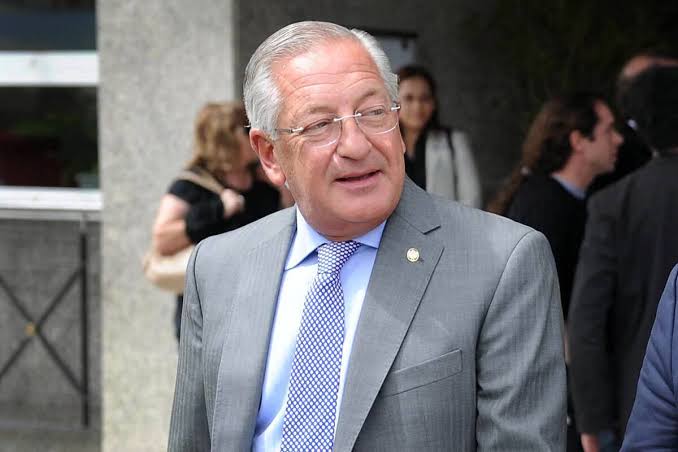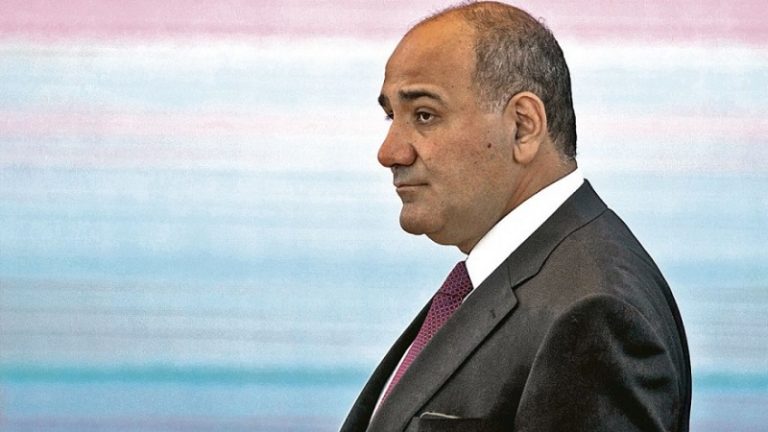
Oscar Alpa, former rector and current vice-rector of the National University of La Pampa, has formally joined Fuerza Pampa, the political group chaired by Lonquimay Mayor Manuel Feito. The organisation announced the move and highlighted Alpa's public-university career and education-management experience. His arrival gives the provincial group a recognised institutional figure, but it did not include a candidacy announcement or a specific electoral agreement.
Alpa said the decision followed roughly a month of talks. He described Fuerza Pampa as distinct from the Justicialist Party, even though several members come from that tradition, and said he is not affiliated with the PJ. The clarification seeks to define both the group's identity and his own position. Its final composition and internal rules will become clearer as it recruits sectors and develops territorial structures.
Fuerza Pampa was promoted by Feito and includes Santa Rosa Mayor Luciano di Nápoli among its organisers. It has added local leaders and held activities across the province. Its stated aim is to broaden participation and build a provincial vehicle outside the PJ's formal structure. That does not rule out common positions with Peronism, but it requires the group to explain relations with existing parties and the degree of autonomy it intends to maintain.
Alpa brings a direct connection to the university system. He previously led UNLPam, served as national Secretary of University Policies under President Alberto Fernández and is now vice-rector for the 2026–2030 term alongside Rector Francisco Marull. That background can contribute expertise in higher education and public administration, while his party role also makes it necessary to protect the university's institutional independence.
Alpa said his political participation would be personal and separate from his university duties. In practice, this distinction requires separate use of resources, communications and institutional spaces. National universities are autonomous and politically plural, and their authorities retain civic rights, but they also have a duty to avoid turning academic structures into party platforms. Transparent schedules and events can help preserve that boundary.
On electoral plans, Alpa said it was too early to discuss candidacies. He also rejected the idea that his entry was intended to weaken provincial Peronism and expressed a favourable assessment of Governor Sergio Ziliotto's administration. These statements place the move in an organisational stage rather than a list-building phase. Any possible candidacy remains speculative until formally decided by both the group and Alpa.
Fuerza Pampa seeks to bring together municipal, university and other political backgrounds. Diversity may expand technical and territorial capacity, but it will require common positions on production, municipal revenues, public services, education, health and relations with the national government. Recognised names cannot replace a programme. Consolidation will depend on representation rules, participation and documents allowing proposals to be compared.
The next step is to see what specific role Alpa assumes and how Fuerza Pampa organises across the province. It will also be necessary to verify whether the separation between party activity and university leadership is maintained through clear standards. For now, his entry into an expanding group is confirmed; candidacies, alliances and electoral responsibilities remain open.