Social and territorial organizations of Jujuy reactivated the claim for a housing emergency in the face of an estimate of more than 64,000 families without housing. The central challenge focuses on the requirements of Instituto de Vivienda y Urbanismo de Jujuy, which demand conditions that are difficult to meet for informal and independent workers. The demand combines access to credit, availability of plots, and basic services in urban expansion areas.
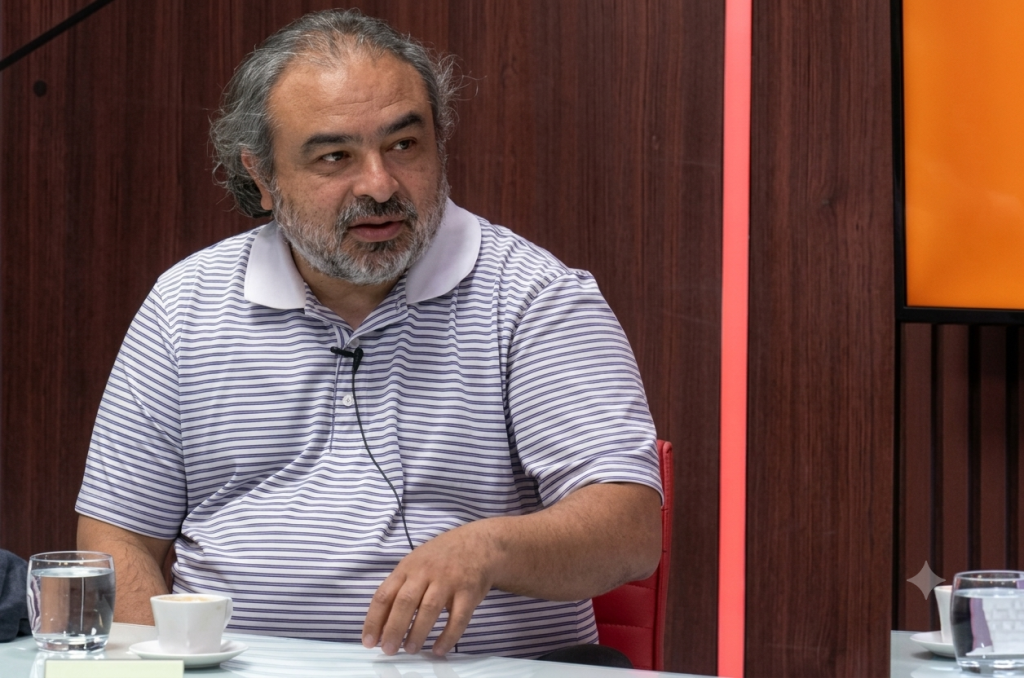
The calculation was disseminated by CTA Frente Barrial based on national surveys and places the province among the jurisdictions with the highest unmet demand in the region. Marcelo Cavero stated that the policies developed in recent years did not cover the real need and pointed out that some lots were delivered without essential infrastructure. This assessment belongs to the organization and supports its request to declare an emergency.
The exclusion mentioned is not necessarily linked to a lack of payment capacity. According to Cavero, numerous families rent or live in overcrowded conditions and support their income through the informal economy, independent trade, or unregistered activities. Without having a payslip, they are left out of the official credit system even though they could afford a payment. The claim demands adapting the IVUJ criteria to the effective labor structure of the province.
The Mesa Nacional de Barrios Populares and the Foro de Hábitat Digno took the discussion to the Legislature. Their representatives held meetings with members of the Public Works and Services Committee to promote a Ley de Hábitat Digno. In the presentation, they found agreements with opposition blocs on the need to update the regulations, although the project still requires parliamentary treatment and has not been converted into law.
The proposal seeks that housing policy does not end with the construction of a house. It proposes incorporating health, transportation, education, and community spaces into the planning of new neighborhoods, so that access to a plot includes basic urban conditions. This perspective responds to the criticism of developments delivered without services and broadens the debate from individual housing to comprehensive habitat.
The next milestone will be the NOA Congress on Decent Habitat, scheduled for October 3 at the Club Luján of San Salvador de Jujuy. The meeting will bring together leaders and specialists in urban development from different provinces to discuss land and housing. Before that date, concrete progress will depend on the Legislature: it will have to decide whether to open the treatment of the emergency and whether to incorporate mechanisms that allow those who work outside formal employment to apply.