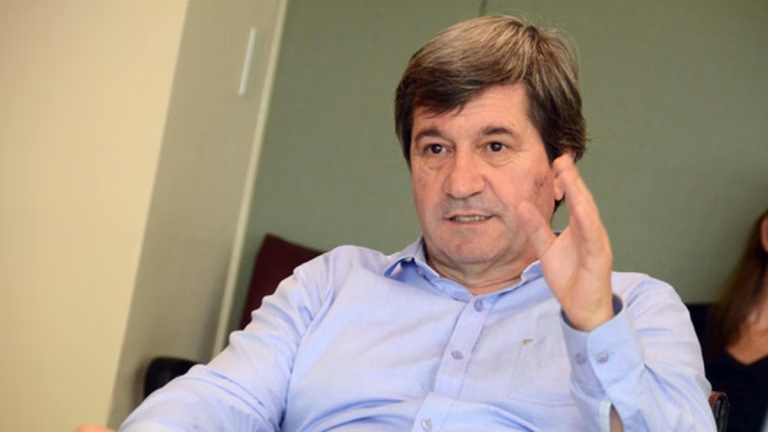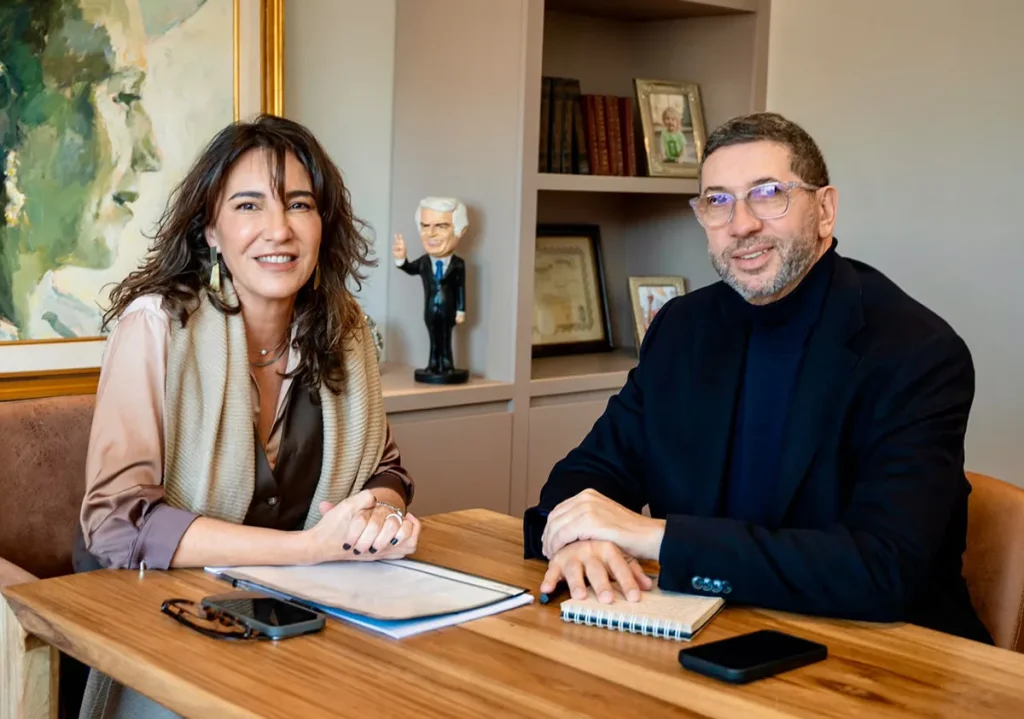
National deputy Natalia De la Sota met in Córdoba with Juan Manuel Olmos, a Buenos Aires City leader and one of the operators of a centrist path within Peronism.
The meeting produced a shared political definition: to advance in building an alternative to Javier Milei's government with a federal sense, anchored in production, work, education, science, technology and social justice.
De la Sota has been travelling and meeting with Peronist leaders and productive sectors in different provinces. Her construction goes beyond Córdoba and sits outside the traditional cordobesismo led by Juan Schiaretti and Governor Martín Llaryora.
The meeting with Olmos works as a sign of convergence, although it does not yet imply a single structure. It instead expresses a common discursive framework among sectors that continue to build autonomously.
That federal constellation includes figures such as Victoria Tolosa Paz, Guillermo Michel, Teresita Madera and Cristian Jerónimo, among other leaders with political, union or territorial presence.
The programmatic axis seeks to give Peronism a modern and federal proposal against the libertarian model. The shared criticism argues that the national government's current course weakens wages, indebts families, destroys registered employment and affects factories.
Olmos also stressed the need to defend universities, public health and assistance for people with disabilities, and argued that Peronism must offer a future programme centred on production and work.
For Córdoba, De la Sota's movement opens a strategic question: whether a provincial figure can project her own national voice within a fragmented Peronism without being absorbed by the already consolidated branches of the opposition map.