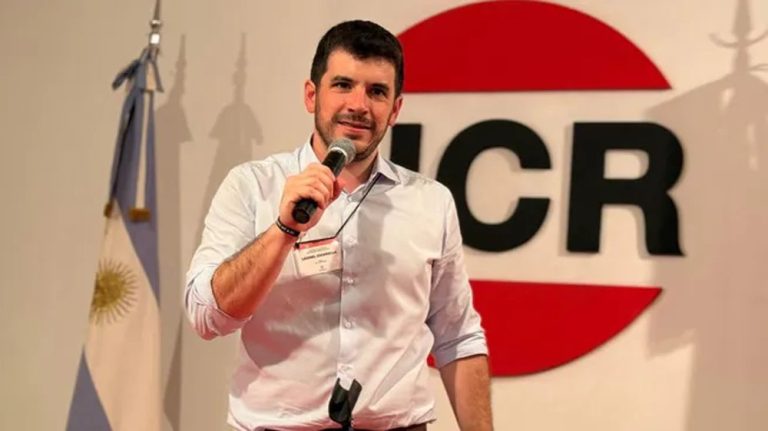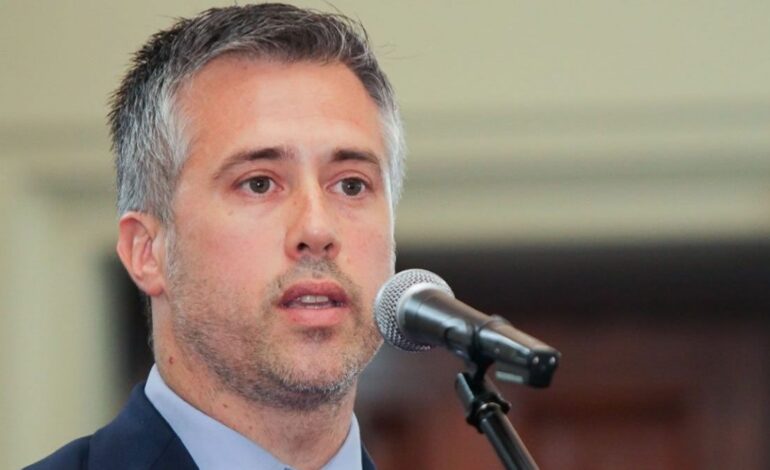
Leandro Busatto has begun organising a possible run for mayor of Santa Fe city in 2027, although he has not yet decided whether he will lead the contest. The former provincial lawmaker expects to make that decision between October and November, before year-end. Until then, his team is trying to turn a series of political talks into a recognisable urban proposal, with its own electoral structure and the capacity to challenge for municipal government.
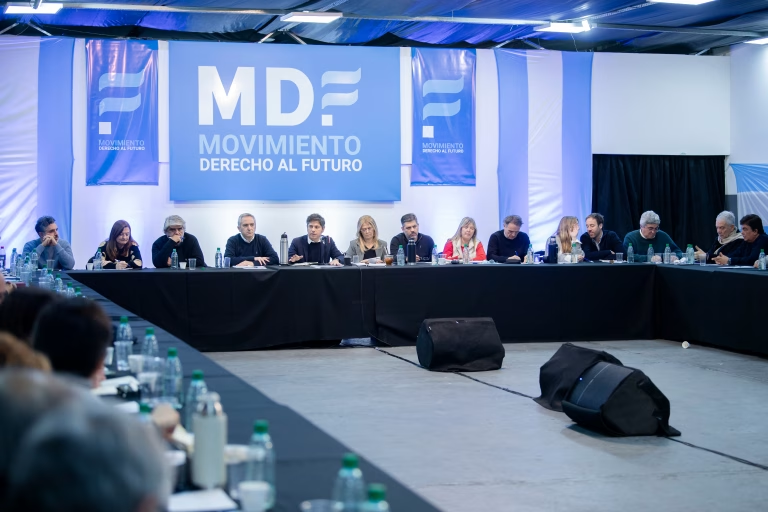
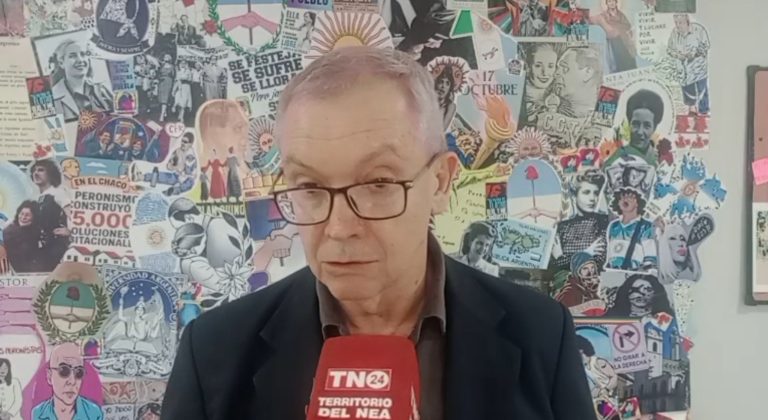
The construction is not confined to the Justicialist Party. Busatto is working with more than ten groups and wants to bring in sectors linked to Movimiento Derecho al Futuro, La Cámpora, Movimiento Evita, trade unions, social movements and centre-left organisations. Former councillor Guillermo Jerez is among the figures involved in those conversations. The aim is to broaden the base without emptying it of meaning: the coalition must express a shared alternative while supporting a concrete programme for the provincial capital.
Busatto's path combines institutional experience with a recent period of political autonomy. He served two terms as a provincial deputy between 2015 and 2023 and, in the latter year, ran for governor in the Peronist primary. He lost to Marcelo Lewandowski and later moved organisationally away from Rossismo, while maintaining a workable political relationship. Since then, he has consolidated Comunidad as his own space and continued taking part in party meetings and gatherings with different currents.
The search for a broader alliance has an immediate precedent. During his 2023 provincial campaign, Busatto backed Federico Fullini for mayor in a front with centre-left sectors that operated outside the PJ's formal structure and fielded Pablo Landó for the city council. That experience now serves as a reference, but the new project seeks greater scale, stronger neighbourhood presence and agreements capable of sustaining candidate lists at several institutional levels.
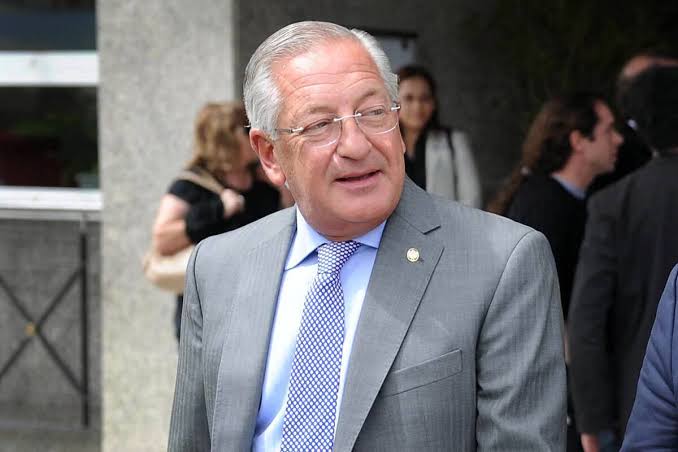
His inner circle does not rule out the contest ultimately taking place inside the Justicialist Party. They argue that forces must be concentrated and believe a primary can be won, although the field remains open. Oscar 'Cachi' Martínez is among the possible names, as is Pedro Medei, while the Perotti wing has not yet decided whether to field its own contender. The municipal choice will also depend on provincial agreements among the different factions.
The project goes beyond an individual candidacy. The group is considering lists for municipal councils, representation in the La Capital department and a broader provincial position. One goal is to restore the Santa Fe city branch of Peronism to a role that, its leaders argue, has been overshadowed by Rosario's centrality. That ambition requires neighbourhood activists, social organisations, unions and party figures to coordinate under rules that still need to be negotiated.
Busatto has already defined the opposition profile that would accompany his bid. His discourse would confront Mayor Juan Pablo Poletti, Governor Maximiliano Pullaro and President Javier Milei. In recent interventions, he has linked national economic decisions to problems in the city and highlighted municipal shortcomings in addressing different demands. The campaign will seek to turn that criticism into a local agenda rather than allowing the coalition to become merely a sum of objections.
The decision is expected between October and November and must settle three matters at once: whether Busatto runs, under which alliance, and with what city project. Before formalising names, his group must close agreements, establish urban priorities and test the viability of a primary or a broader coalition. The next step will not simply be announcing a candidacy, but proving that the invited sectors can act as a common force through the 2027 election.