The growth of informal settlements in Viedma has become an urban problem that goes beyond housing shortages. Tejido Urbano reports a 112% increase in settlement area across Viedma-Carmen de Patagones between 2016 and 2025. Nine of eleven registered settlements are in the provincial capital.
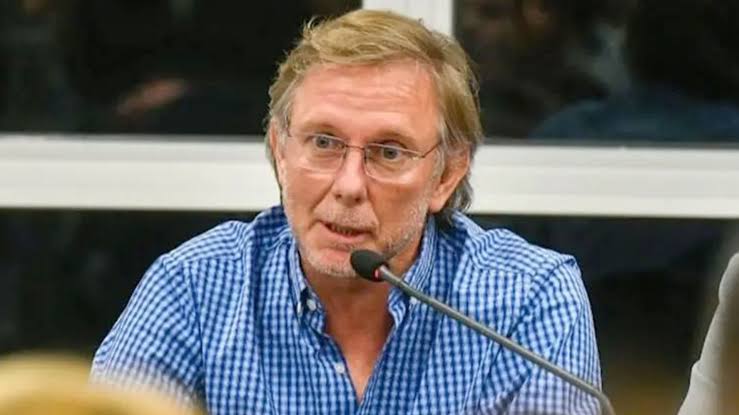
Marcos Castro now faces pressure accumulated across several administrations. He is not responsible for all growth since 2016, but he is responsible for today's response to flooding, weak services, drainage gaps and expansion on risky land.
ReNaBaP had counted 1,069 families in settlements including Esperanza, Dos de Enero, Trece de Junio, Puente Viejo, Costa Este, El Progreso, Santa Clara, Unión and Nueve de Julio. Esperanza quadrupled its area between 2018 and 2025.
Infrastructure is the most sensitive issue. Some settlements grew on land with recurrent flooding. Heavy rains in March and again in October exposed roads, drainage and emergency-response weaknesses.
Sanitation adds another layer. The provincial government acknowledged water and sewage problems and announced more than 1.065 billion pesos in works intended to reach 8,250 residents.
Castro needs to show that investment matches the scale of need. The relevant measure is how many families actually gain safe water, sewers, passable roads and drainage.
The spread of informal settlements also requires a land policy. Without affordable plots, regulation and urbanization programs, more families will move to peripheral areas where services arrive late and at higher public cost.
The next step is measuring the announced works and building a multi-year strategy. Municipal and provincial authorities need coordinated housing, drainage, sanitation and land policies.