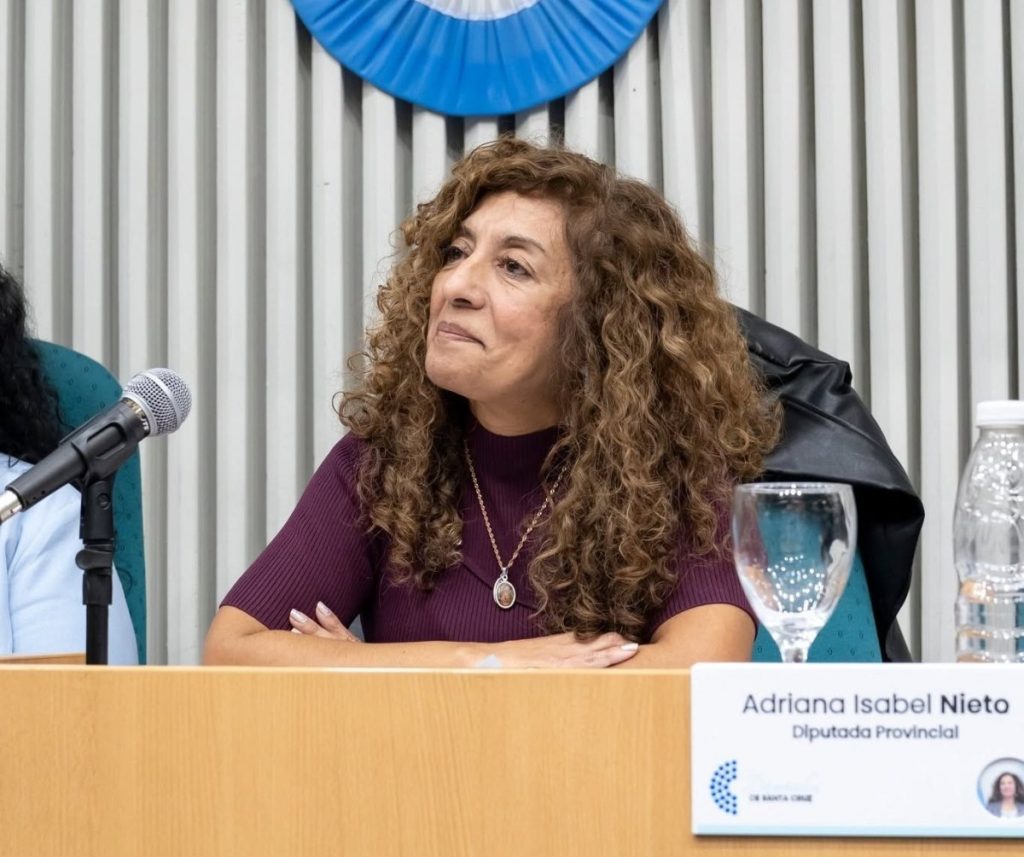
Santa Cruz's electoral-code debate reopened abruptly after Por Santa Cruz lawmaker Adriana Nieto announced a separate bill. The move came while the Constitutional Affairs Committee was already working on a unified 108-article draft and preparing a November 10 plenary session.
Nieto says she has substantive disagreements with several parts of the consensus text and that her bloc will support an alternative. Other lawmakers were frustrated because months of common drafting had already produced agreements.
Adriana Nieto is central because her move exposes tension inside the governing camp. Por Santa Cruz has ten deputies, enough to matter but not enough to impose a code. Any official proposal will require allies and concessions.
An electoral code governs much more than election dates. It can regulate ballots, alliances, candidates, financing, parity, polling authorities, counting, campaigns and challenges. Major reform therefore needs clarity and implementation time.
The 108-article draft emerged from months of committee work and represented common ground across competing forces. It need not be approved unchanged, but any alternative should explain exactly what it rejects and why.
The government also faces a legitimacy problem if it tries to rush its own proposal without equivalent deliberation. Electoral reform must not look designed to benefit the incumbent ahead of 2027.
The opposition, however, should not turn disagreement into permanent blockage. Santa Cruz needs clear and updated rules. The aim should be to preserve existing agreements and focus negotiation on genuine disputes.
November 10 will show whether the committee can maintain its schedule. Nieto must present her text and persuade other blocs that reopening the debate improves the law rather than merely replacing a negotiated consensus.